Micro-cations: The big appeal of the tiny holiday

 Getty Images
From passport privilege to overtourism and carbon cost, the boom in two- to four-day "micro-cations" reveals how modern travellers are rethinking rest.
In April 2025, Sarah Pardi flew from France to Velbastaður, a small town in the Faroe Islands, for a four-day break. Renting a car, she explored lesser-known corners of the islands – ancient sites, dramatic land formations, waterfalls and local distilleries. It wasn't the season for puffins or the Northern Lights, but it didn't matter. "I was getting to see a part of the world that most people never have the chance to visit," she says.
Pardi's trip reflects a growing travel trend: the micro-cation – short breaks lasting two to four days that are reshaping how people take holidays.
"I almost always choose short vacations for one main reason: I can visit more places," Pardi adds. "Fewer nights can also equal big savings. And each day is more impactful – you're really in the moment, and you have more [money] to spend on what matters."
A holiday in just a few days
Travellers have taken micro-cations for decades, but the popularity of these short jaunts has surged in recent years. According to Allianz Partners' 2025 Vacation Confidence Index, 73% of Americans planned to take a micro-cation, making it the most common type of leisure travel.
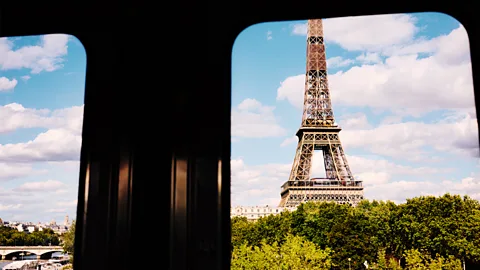
Micro-cations are not the same as weekend getaways. While Allianz defines them as "a leisure trip more than 100 miles from home for four or fewer nights", many travellers describe something more intentional and ambitious: a new country rather than a familiar standby, a thematic focus – culture, cycling, food, wellness – and an intensity that prioritises depth. That said, an exhausted millennial jet-setting to Paris for three days with no real agenda still counts.
 Getty Images
"A long weekend is usually calendar-driven," says Clarissa Cappelletti, international regional manager at WeRoad, a European group travel company. "A public holiday, a spare Friday off work, a quick flight somewhere familiar. Instead, a micro-cation is designed to feel like a holiday in a tight timeframe. It's time you use deliberately, and that distinction is resonating with modern travellers."
These quick getaways are partly a response to limited paid time-off and tighter budgets. A recent Deloitte report notes that travellers are taking more trips but spending more frugally. They also reflect widespread burnout: shorter breaks are easier to plan and less likely to end with an overwhelming inbox. For parents and people juggling care responsibilities, they can simply be more realistic.
Increasingly, travellers are also questioning the idea of saving all pleasure for one annual holiday, instead using shorter breaks to see more of the world in manageable, repeatable doses.
"Short, frequent trips can feel especially appealing because they offer a manageable escape from the everyday grind," says Ellie Hambly, a UK-based clinical psychologist. "With everything going on globally, many people are carrying financial pressure, emotional fatigue and uncertainty. Having something to look forward to can provide a psychological lift."
Travel trends shift to shorter breaks
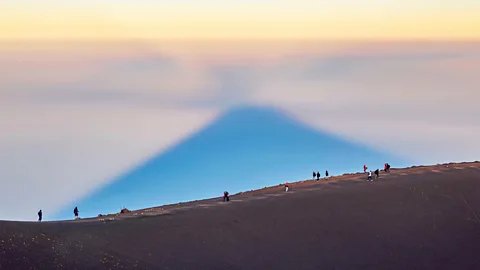
Travel companies are responding. In October 2025, Intrepid Travel unveiled its Short Breaks category: four- to six-day itineraries marketed to those "short on time, big on adventure". Travellers can hike Guatemala's Acatenango volcano, trace archaeological routes through Mexico or explore the rich jungles of Costa Rica, compressing both stillness and adventure into just a few days.
 Alamy
AlamyWeRoad has also leaned into shorter formats. Its two- to three-day Weekend Trips, launched in January 2026, quickly became its most successful product launch to date. "In less than a month, Weekend Trips already account for just under 10% of bookings," says Cappelletti. Demand, she notes, clusters around experiences with "a complete arc in a short time" – destinations that offer arrival, immersion and closure within a couple of days.
The trend is catching on elsewhere, too. Zostel, one of South Asia's largest backpacker hostel networks, has seen two- to four-night stays nearly quadruple since 2019, rising from around 41,800 guests to more than 158,000 in 2024. The shift has driven a rise in last-minute bookings, particularly among solo travellers and work-cationers.
Who gets to travel on a whim?
But the spontaneity that underpins micro-cations isn't available to everyone.
"Visa requirements are a huge factor in how we plan international trips," says Harish Alagappa, an Indian traveller who travelled to Oman for New Year's 2025 using its e-visa entry programme. "People with stronger passports can decide on a whim. For us, even a short trip usually requires weeks of planning."
Still, Alagappa considers the four-day trip a success. Travelling with three friends, he arrived in Muscat and headed straight for the vast Wahiba Sands desert region. The first two days were deliberately action-packed with desert drives and a swim through Wadi Al-Shab. "Time stopped making sense," he says. "It was a short trip, and yet it didn't feel short."
An unexpected injury forced the group to abandon some plans – including scuba diving off the Dimaniyat Islands. "The slower pace meant more conversations and a deeper connection," Alagappa says. "We came back without needing another holiday to recover."
The experience also shaped how he thinks about short trips. "Something I would do differently is explore smaller countries on short trips," he adds. "Trying to compress a large country into a few days can leave you feeling like you've missed too much."
Can a short trip really restore you?
That contradiction – between maximising time and actually switching off – sits at the heart of micro-cations.
"We live in a culture that highly values productivity, so disengaging from the drive to achieve takes effort," Hambly explains. While longer breaks allow the nervous system to settle more fully, she notes that shorter ones can still be restorative when approached intentionally.
 Getty Images
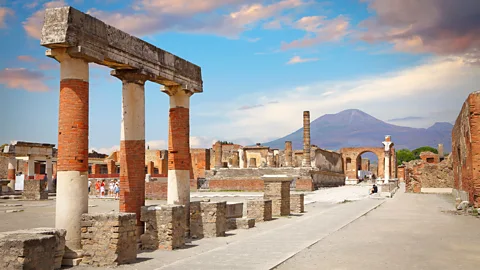
For some travellers, especially those who prefer slower travel, that intention means doing less. Tor Hampton structures her family's micro-cations around a single, clear purpose. In February 2025, they flew from the UK to Naples for two nights with one goal: visiting Pompeii. Travelling during term time kept costs down, while a tight itinerary made it possible to work around school schedules and work commitments.
More like this:
• Is it time to ditch the bucket list?
• Why 'best time to visit' no longer applies
• The perils of letting AI plan your next trip
"Seeing history come alive in the eyes of my sons made the entire trip worth it," Hampton says. "Everything they'd learned suddenly clicked – they were soaking up the knowledge like sponges."
Whether it's a weekend in London to see the Rosetta Stone or a short trip to Billund to visit the original Legoland, Hampton finds that anchoring breaks around one defining experience makes them feel purposeful rather than frantic.
For travellers trying to make short trips feel meaningful rather than rushed, a little advance planning can help. "I spent four days in Marrakesh once and booked a Medina tour and a hammam before I arrived," Pardi says. "That gave the trip shape, and everything else could flow around it."
Practical decisions matter just as much. Poorly timed flights or transfers can drain a short trip of energy, while costs can spiral quickly. "'It's only three days' can easily turn into a lot of unplanned splurging," Pardi notes. She recommends setting a clear budget before leaving, even allocating a fixed amount in the destination's currency.
The environmental trade-off
The short nature of micro-cations doesn't always mean they're low impact. Weekend-heavy travel can intensify crowding in already saturated destinations, and frequent flights can quickly inflate emissions. Some operators are responding by nudging travellers toward less obvious cities. WeRoad has found that lesser-visited capitals such as Warsaw are outperforming more overtouristed destinations, suggesting thoughtfully designed micro-cations can help redirect demand.
 Getty Images
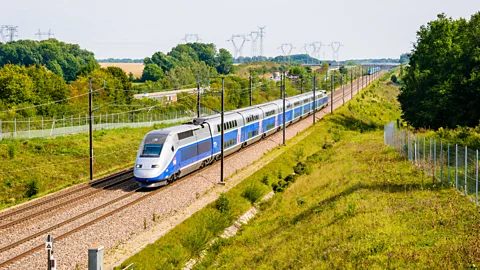
Choosing trains or public transport where possible can lower emissions can also offer a more grounded sense of place. On a recent trip to Barcelona, Pardi opted to take the train from Paris instead of flying. "We went through miles and miles of countryside filled with flamingos," she says. "Plane views are fun, but there's something special about seeing the countryside and different towns."
That same slower, lower-impact mindset can also extend to when people travel. Off-season and shoulder-season micro-cations can reduce pressure on places while spreading tourism income more evenly across the year. For travellers, the benefits are just as tangible: lower flight and accommodation costs, fewer crowds and less logistical friction. Freed from peak-season pressures, these trips are also often more likely to surprise.
"One night, as we were driving back to our rental in the Faroe Islands," Pardi says, "our host texted me and said, 'Sarah! If you can, go outside! The Northern Lights are visible, and it is very rare this time of year!'"
We pulled the car over, and there, over the mountains, were ribbons of green, dancing across the sky," she says. "I'll never forget it."
--
If you liked this story, sign up for The Essential List newsletter – a handpicked selection of features, videos and can't-miss news, delivered to your inbox twice a week.
For more Travel stories from the BBC, follow us on Facebookand Instagram.
