Will The White Lotus get France right?

 Alamy
AlamyRumours are swirling that the famously satirical HBO show is checking into a French hotel. Here are some things its writers should – and shouldn't – do to accurately portray French culture.
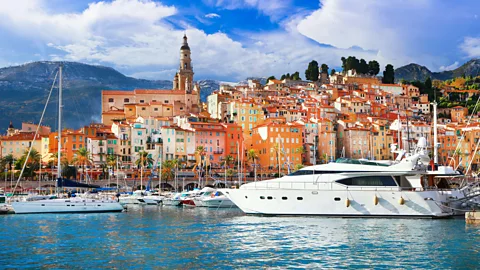
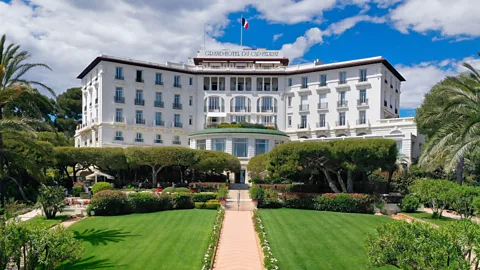
After three seasons of privileged mayhem in Maui, Sicily and Thailand, HBO's The White Lotus is now reported to be coming to France. But where? Given the series' history with Four Seasons properties, some sources point to the luxurious Grand Hôtel du Cap Ferrat on the pine-forested coastline of the Côte d'Azur as a possible contender, though the snowy Alpine retreat of Megève and even the swish George V in Paris are also in the running, according to Le Parisien.
While HBO reps are keeping mum, there's one thing locals agree on: it's essential that the show get French culture right.
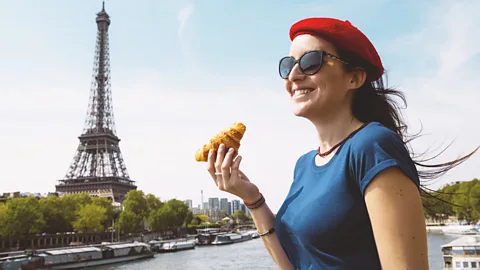
For many travellers, the image of France conjures up visions of buttery croissants, cobblestone streets and runway-ready residents. These tropes are often reinforced by the nation's onscreen portrayal, as in the super-clean, fashion forward city of Emily in Paris.
But France is more than just a few tired stereotypes.
 Alamy
AlamyThe previous seasons of The White Lotus have been lauded for hiring local actors like Kekoa Kekumano and Tayme Thapthimthong and their apt illustration of Buddhist culture and Sicilian machismo. But the series hasn't been without its cultural missteps. After season one aired, Vox journalist Mitchell Kuga criticised the "Hawaii 101 pastiche" of a Hawaiian hotel staff member recounting a childhood spent pulling taro, while season two drew fire for overlooking contemporary Sicilian diversity and race dynamics. In season three, wild monkeys popped up where they shouldn't, leading some critics to say the series reduced Thailand to a "digestible set of iconic images."
As a resident and citizen of France, I'm wary – and weary – of French stereotypes and shortcuts. If series creator Mike White wants to portray France accurately, here are six things he should bear in mind.
The French aren't rude
Most who've had brushes with French incivility are probably unaware they've made the first faux pas. In France, exchanging bonjours with servers, shopkeepers and bus drivers before making a request is essential – and keeps you from being on the receiving end of what they consider reciprocal rudeness.
But after two decades living in France, I'm not the only one who's noticed that the locals have recently become friendlier, a change that may be a result of the "Do You Speak Touriste?" campaign launched in the leadup to the Paris 2024 Summer Olympics. The 30-page document designed to help French hospitality professionals navigate cultural pitfalls notably reminded them, "stay humble, no matter the client or their way of speaking". Hopefully, the French White Lotus hotel staff will have studied up before meeting their guests to keep from sustaining this tired stereotype.
 Getty Images
French people do speak English – and they don't hate Americans
A French character who cannot – or will not – speak English is yet another outdated pastiche, and another one rooted in poor tourist behaviour. English-speakers often assume theirs is the lingua franca, something Victor Coutard, author of the Substack newsletter, How to Get Lost in France, says "deeply irritate[s] us". It's no surprise that some French people pretend not to speak English at all.
In truth, according to one 2021 IFOP survey, 28% of French people speak English, and nearly half of 18- to 24-year-olds are proficient, as compared to just 15% of people 65 and older. "The level of English spoken across France has definitely improved in the last 20 years," says Lindsey Tramuta, journalist and author of several books about Paris. "For some, weaving in English slang is a flex."
It helps that France's alleged anti-Americanness is also on the downturn. On the contrary, according to Coutard, "Those of us born in the '80s and '90s grew up with a lot of admiration and longing for the United States." He recalls coveting not just movies and video games but "a sense of cool we couldn't find in France".
So rather than stick to the old trope, it would be magnifique to see season four's American guests embraced by young staff members… with English gleaned from TikTok.
 Getty Images
In France, the customer is usually wrong (and that's okay)
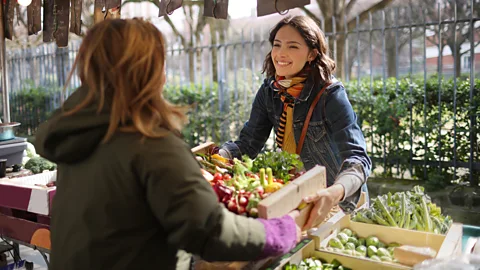
In season two, White didn't feature much Sicilian cuisine, but I for one hope that in this French foray, he'll spotlight Provençal market stalls heaving under the weight of ripe fruit, Paris' wealth of Michelin-starred tables or Megève’s famous cheese fondues. And if a White Lotus guest's request for beurre blanc "without butter" earns some serious side-eye, I'll applaud the accuracy. Because in France, going off-script at a restaurant is considered an insult to the chef.
More like this:
If France is culturally allergic to menu modifications, it's because here, we trust the pros. "The chef knows best when it comes to eating," explains Allison Zinder, a gastronomy guide and author of the newsletter Paris on the Edge. If you refuse, she says, "you're not showing respect for the expert's opinion".
And this holds just as true in restaurants as in fashion boutiques and on market stalls. This season, instead of bewildered Americans pouting at a refused request, I'd love to see the benefits of France's unapologetic love of saying non. Give me a Provençal market vendor who stops a guest from squeezing each piece of fruit before magically depositing the peak of peach perfection into her hand or a shopkeeper who finger-criticises a fashionista's unflattering choice of silhouette before transforming her, à la Cinderella, into the envy of the other resort guests. It's not arrogance; it's expertise.
French style is subtle
Please, White, we beg you: no berets. But also, be wary of over-the-top looks à la Emily in Paris. "The French have a way of looking effortlessly chic and put together without ever flashing a label," asserts Lane Nieset, a Paris-based travel journalist who spends her summers in the South of France. Striking this balance is crucial at a luxe resort like The White Lotus.
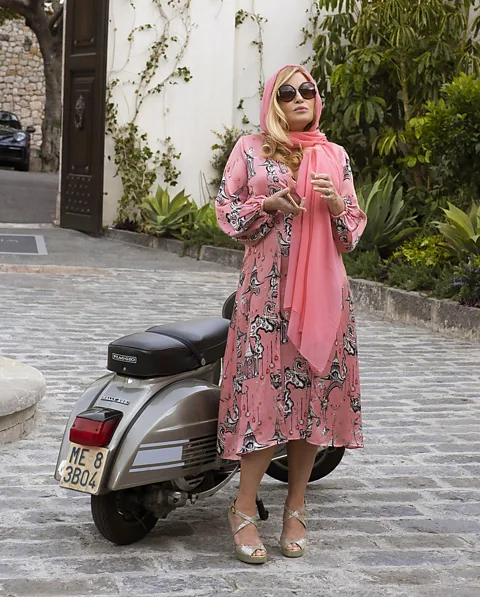 Alamy
AlamyWe can certainly expect a parade of poolside fashion or upscale après-ski attire, but among French guests, Nieset says, "the only logo you may see is something subtle from Loewe or Celine on a raffia beach bag". Juxtaposing a nouveau riche American fashionista speckled in Gucci and Louis Vuitton insignias with a French one in a nondescript caftan from Marie France Van Damme would be the perfect Easter egg for a discerning viewer to spot.
Smoking is so passé… or is it?
A smouldering cigarette has long been cinematic shorthand for "French," but according to Le Monde, less than a quarter of French adults smoked daily in 2023. This may be due to ever-increasing bans, with beaches and public gardens joining restaurants, bars and nightclubs as smoke-free zones this July. And lest you assume this has led to complaining among the French, think again: 80% of French people actually support the ban.
That said, e-cigarettes constitute a major loophole, and since an estimated 3.6 million French people vape, a whingeing American (see: season one's Shane) bemoaning the constant haze of crème brûlée scented vapour around the pool could be the perfect comedic thread.
The French are indeed flexible on fidelity – but it's nuanced
If season four is anything like its predecessors, it should be ripe for steamy encounters – and France will certainly prove a worthy playground for inter and extra-couple hijinks. Just 47% of French people deem extramarital affairs "morally unacceptable" according to a 2013 survey from the Pew Research Center, as compared to 84% of Americans and 76% of Brits.
But if you ask Lily Heise, author of the book Je T'Aime, Me Neither, the French approach to fidelity is just a little more flexible.
"There are a lot of swingers clubs in France – not just in Paris, but in the countryside too," she says. "After being in a relationship for a while, some couples are more willing to branch out sexually all the while still staying together."
Swinging in a luxury cabin in the snow-capped Alps during an avalanche? Sounds exactly like what The White Lotus does best.
--
If you liked this story, sign up for The Essential List newsletter – a handpicked selection of features, videos and can't-miss news, delivered to your inbox twice a week.
