Force vows to be open about live facial recognition

 PA Media
A police force has pledged to be "open and honest" about privacy ahead of starting to use live facial recognition (LFR) technology for the first time in a city centre.
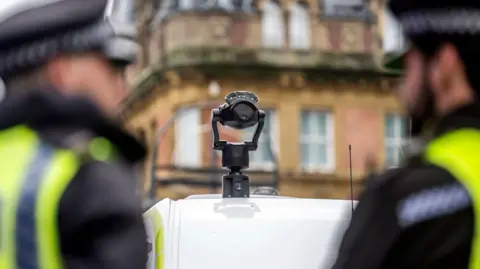
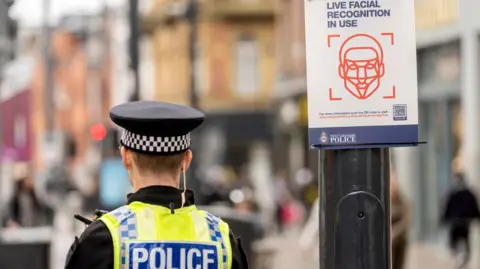
The kit, to be housed in a marked van and used in a signposted area in Norwich on Sunday, will alert officers if anyone walks past whose face matches someone's on the Norfolk Police's watchlist.
In January, the government revealed plans to increase the number of LFR vans from 10 to 50 available to be deployed as part of policing reforms.
"We have seen how successful the technology has been in other forces around the country and are looking forward to replicating the results in Norfolk," said Insp Toby Gosden.
 PA Media
"Our officers will not be monitoring the daily business of the local community, but instead working to secure justice for victims of crime and finding dangerous people on our streets", he added.
"If you have any questions about the technology or concerns about your privacy and freedoms, please speak to our officers.
"We will always be open and honest about how and when it will be used."
Concerns have been raised by human rights and privacy campaigners about the increasing use of facial recognition technologies.
The deployment in Norwich follows on from one in Ipswich and a rollout in Essex last year.
Gosden added that its use would comply with legal and regulatory standards and the force was following national guidance by informing the public at least five days in advance.
Norfolk Police said its watchlist featured people who presented the "greatest harm and risk to the public", such as those wanted for serious violence.
They said faces scanned by the system which did not match any on the watchlist would be immediately deleted.
The technology works by taking digital images of faces, and a computer programme then compares them against a prepared database of faces, recognising wanted suspects and missing people.
Officers can then take action if people on the database are matched.
Follow Norfolk news on BBC Sounds, Facebook, Instagram and X.
