Murder and treachery: Historian sheds light on Drogo of Holderness

 BBC
BBCA Norman lord, a royal marriage and a murder that shook medieval England. Drogo of Holderness rose to power under William the Conqueror, then vanished after his wife's mysterious death. Was it ambition, betrayal or something darker?
Some time after William won the crown in 1066, he appointed mercenary fighter Drogo, who was Flemish, as the Lord of Holderness.
As chief of the region, his role was to oversee these lands and prevent incursions from the North and beyond.
However, as recorded in chronicles from the now-destroyed Meaux Abbey near Beverley, Drogo did not live up to expectations - and disappeared after the apparent murder of his wife - a relative of the King.
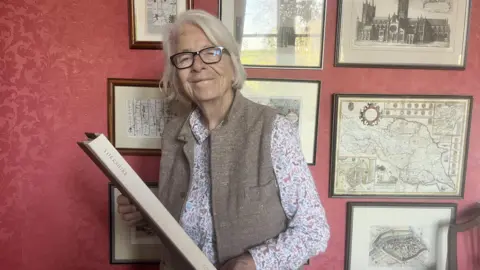
Historian Barbara English, a retired professor at the University of Hull, has been exploring the tale of Drogo - and has some theories about his life and ultimate fate.
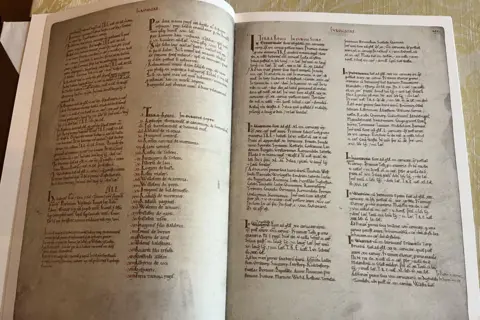
Ms English said Drogo's titles and property were recorded in the Domesday Book of 1086, which details "column after column after column of everything he owned, because he owned everything in Holderness".
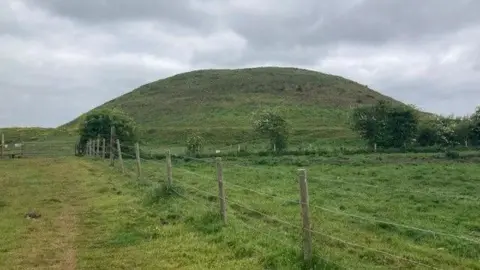
In the 11th Century, Ms English said Holderness "was a very wet place with hundreds of little meres or ponds", and Drogo's wooden fort at Skipsea Castle would allow him to "see ships coming at the Holderness coast and around the foot of the big earth mound".
She said Drogo was given "extraordinary privileges - he had his own sheriff and to some extent controlled what happened on the Humber, which she described as "very significant" powers.
Other than what is written in the Domesday Book, the only known accounts of Drogo's life are taken from a translation of the Meaux Chronicles, written by the Abbot of Meaux in the 1390s.
Ms English said the chronicles say he had a wife "who he killed" before he "went to the king, pretending that he wished with his wife to go back to Flanders, and he sought from the king some money".
Despite the account of the murder and treachery being "not a very monkish thing to write", it is the only account known to history of this tale.
Ms English added there were "known to be ghost stories about the wife who was given the name of Albreda" and that despite her not being named in any of the medieval records "she's supposed to haunt the castle".
Where did Drogo go?
As the story continues, Ms English said Drogo "hurried to the sea," but the King did not take kindly to being tricked, so sent men after him to catch him.
"But he had already gone overseas. He didn't come back," she added.
Ms English said Drogo then kept a "very low profile" and "might have changed his name", but no further records had been discovered about his life.
However, she added: "He might have even wandered off and joined someone else's army. I suppose he could have gone in a few years time on the Crusades and died there."
Listen to highlights fromHull and East Yorkshire on BBC Sounds, watch the latest episode of Look Northor tell us about a story you think we should be coveringhere.
Download the BBC News app from the App Store for iPhone and iPad or Google Play for Android devices
