Trainline closed for repairs after landslip
 Network Rail
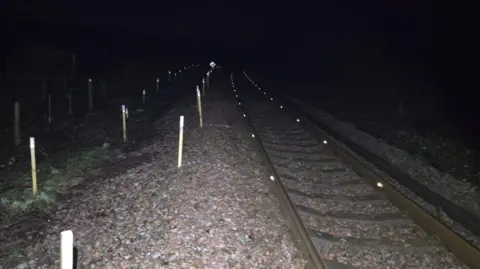
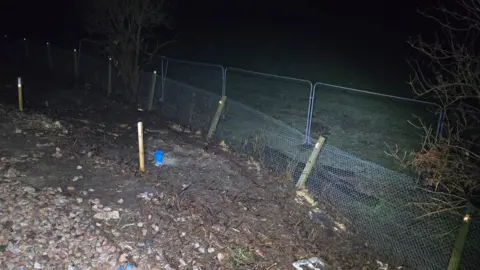
A trainline will be closed for emergency engineer works after the route suffered a minor landslip following Storm Goretti.
Passengers travelling between Brockenhurst and Lymington Pier will need to use a replacement bus service, while Network Rail engineers repair the track near Battramsley.
The rail firm said buses will run every 30 minutes on Saturday and every 60 minutes on Sunday adding that any further service changes for the start of next week will be confirmed in due course.
Travellers have been advised to check their journey before they travel and allow extra time.
 Network Rail
Speaking on behalf of Network Rail and South Western Railway, Tom McNamee, infrastructure director, said: "We're very sorry for the additional disruption and the short notice of this line closure. We understand that closing the Lymington branch line will be frustrating for passengers and it's not a decision we've taken lightly."
He added that they are doing everything they can to get the railway back open as soon as possible.
Network Rail said engineers spotted movement under the track over the festive period and had planned to conduct permanent repairs at the end of February.
Strong winds and heavy rain from Storm Goretti led to a landslip which forced it to bring the works forward.
Experts will install a steel wall deep into the ground to support the embankment that the railway is built on. These sheet piles will act as a solid barrier, holding the slope in place and stopping the earth from moving.
Once the repair is complete, one train per hour will run between Brockenhurst and Lymington Pier at a reduced speed. Engineers will monitor the area of the landslip before returning to the normal service of two trains per hour.
You can follow BBC Hampshire & Isle of Wight on Facebook, X (Twitter), or Instagram.
