Wettest winter 'stark reminder' of climate change

 Jordan Langridge
Experts at the Met Office say the "exceptional" wet weather so far in 2026 showed climate change was "happening now".
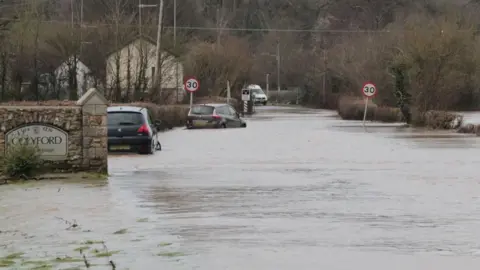
Record-breaking levels of rain has caused disruption in parts of south-west England with homes being flooded, rail lines forced to closed and damage to sea defences - leading to part of the A379 between Slapton and Torcross in Devon collapsing.
The River Otter in East Devon reached its highest ever recorded level during Storm Chandra and forecasters said Cornwall had its wettest winter on record.
Dr Mark McCarthy, science manager for climate attribution at the Met Office, said the winter season had shown the impact climate change was having.
"Climate science tells us that human induced climate change is going to result in wetter winters for the UK overall and that is something we've experienced this winter with exceptional rainfall totals in the south west of England," McCarthy said.
"As the planet warms and the atmosphere becomes warmer, it is able to hold more moisture, so when these storm systems are coming through they are holding more water."

McCarthy said the recent extreme weather had led to some "significant impacts", including Teignmouth Pier being partly washed away and damage to the sea wall at Dawlish.
"This winter is a stark reminder climate change is happening now", he added.
"We need to mitigate to reduce future climate change and adapt to reduce the risks of extreme weather events in the future."
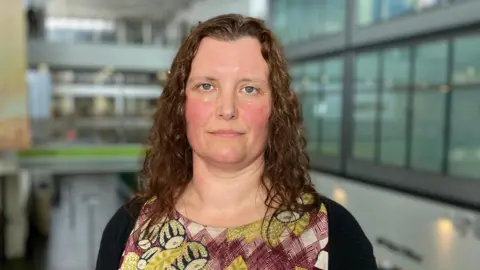
Dr Amy Doherty, from the National Climate Information Centre at the Met Office, said the records which had been broken during the winter were "quite exceptional".
She added during Storm Chandra, four south-west weather stations had their wettest January day on record, with Whitebarrow in Devon having 115.1mm (4.5 inches) of rain.
"January is traditionally a stormy month but what's been different this year is the intensity of those storms, coming in one after the other and the rain has just never let up", said Doherty.
Follow BBC Devon on X, Facebook and Instagram. Send your story ideas to spotlight@bbc.co.uk.
