10 things all visitors to Japan should know

 Getty Images
In Japan, small gestures matter. From how to hold your bowl to what to do with rubbish, our local expert explores Japanese social etiquette – and how travellers can follow with ease.
While many first-time visitors to Japan are lured by its ancient temples and futuristic cities, they often leave most impressed by its spotless streets, punctual trains and elaborate meals. Why are the streets so clean, anyway?
Get to know your expert
Mizuki Uchiyama is a Japanese journalist who has lived more than a decade in both Tokyo and Osaka. She brings firsthand insight into the cultural nuances, regional differences and everyday etiquette that shape life across the country.
Travellers to Japan may find more than just the language barrier confusing, as the nation is famous for its many unwritten rules of social etiquette.
Japanese culture places a strong value on the good of the group over the individual, which can sometimes lead to unintentionally awkward experiences for outsiders. Adopting some simple customs as a traveller is greatly appreciated, and signals that you want to be a mindful guest.
From how to call your server to how not to hold your chopsticks, here are 10 things many Japanese residents wished tourists knew before they visited.
 Alamy
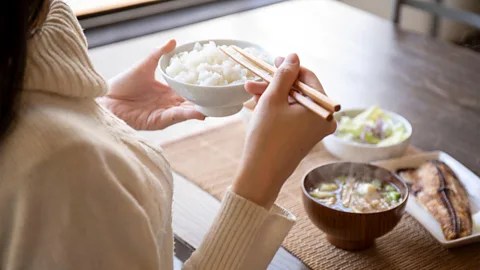
AlamyMind your chopstick and bowl manners
Chopsticks are the default utensil in Japan, and they come with their own set of rules. Avoid sticking them upright in your rice or passing food between pairs of chopsticks; doing so echoes Japanese funeral rituals and will needlessly remind Japanese diners around you of a loved one's passing. When you're not using them, place them on the small chopstick rest or across your bowl. It's also best to lift your soup or rice bowl towards your face to eat, as hunching over bowls is considered rude in Japan.
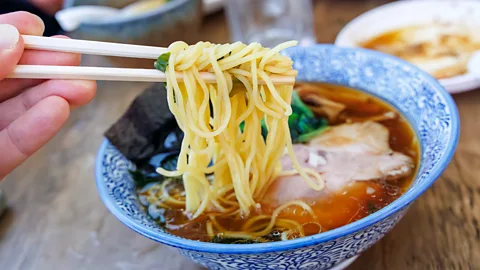
It's okay to slurp
Japan's renowned food scene includes hundreds of regional noodle specialties – many of which are served in soups, from earthy ramen to satisfying udon. In the West, eating your soup noisily might earn you side eye, but in Japan, slurping noodles is traditionally seen as the best way to enjoy them. The habit dates from Edo-period soba culture, when noodles were often eaten quickly as street food. It was believed that slurping helped the noodles and broth come together, enhancing the aroma and cooling the piping-hot noodles in one go.
Restaurant lingo
Visitors aren't expected to order in Japanese, but mastering a few simple phrases will please your server and impress your new Japanese friends. When dining at an izakaya (Japanese gastropub) or other casual eatery like a curry house or ramen shop, call out "sumimasen!" (Excuse me!) to get a server's attention – respectfully. "Nama hitotsu" (one draught beer, please) will get you a draught, and adding "onegaishimasu" (please) will get you your order with a smile.
Before eating, say "itadakimasu" (I humbly receive) and after finishing, say "gochisousama" (thank you for the meal). Both express an appreciation for the food, the people who prepared it and even the ingredients themselves.
 Getty Images
Leave no noodle – or yen – behind
Japan is a strictly no-tipping culture. Indeed, leaving extra money can create confusion rather than gratitude, as good service is considered part of the job and appreciation is shown through politeness, not cash. And while some cultures see leaving food behind as a sign of satisfied satiation, in Japan, it's polite to clean your plate. Leftovers aren't typically taken home, so order conservatively and add more dishes only if needed.
No need to respond
Upon entering a shop in Japan, you will be greeted with the ubiquitous phrase: "irasshaimase" (welcome). In izakayas and casual eateries, this phrase will come as an exuberant shout, often from a chorus of workers. The cheerful phrase is meant to welcome you in, and there's no need to respond; since it's not expected, doing so can actually feel awkward for both parties. A nod or polite smile will suffice.
More like this:
• Inside the secret world of Japanese snack bars
• How convenience store socks became Japan's coolest souvenir
• Mottainai: In Japan, creativity is key to a no-waste ideal
Turn down the volume
Japan's cities are famously linked by the country's lightning-fast, spotless, ultra-reliable trains and buses. But beyond its convenience, Japanese public transport is viewed as a shared quiet space. Phone calls are strongly discouraged, as are loud conversations, so keep your phone on silent and use headphones at all times. If you do need to take a call, wait until you step off the train or bus before answering.
 Alamy
AlamyPublic snacking
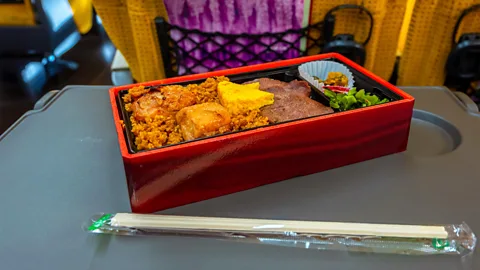
Similarly, eating on the street or on public transport is generally frowned upon, so avoid snacking while on the go. Instead, it's best to eat food near where you bought it, or eat at a city or park bench where you won't disturb others. However, on long-distance trains like the Shinkansen (high-speed train), eating is perfectly acceptable; bento (partitioned lunch boxes) are even designed for the journey.
Hold on to your rubbish
Walking through Japan's temple and skyscraper-lined streets will yield endless wonders… but rarely any rubbish. Because Japanese culture emphasises collective responsibility for cleanliness, public rubbish bins are rare. The expectation is simple: dispose of your rubbish at home. And if you truly do need a bin, you'll find one at convenience stores, in railway stations or next to vending machines.
Hot tips for hot springs
Visiting Japanese hot springs, known as onsen, is a treasured Japanese custom – and an etiquette realm unto itself. Before arriving, please note: onsen are enjoyed nude, no exceptions. Prior to entering the baths, guests must wash and rinse thoroughly at the shower stations, and long hair must be tied up. Got tattoos? In Japan, tattoos have historically been associated with yakuza (organised crime), and while many facilities still restrict them, some tourist-oriented areas are relaxing the rules.
Don't escalate traffic
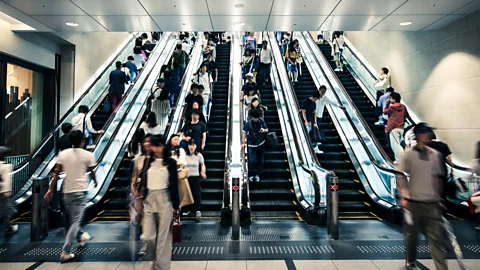
In a land of soaring structures, you'll often find yourself at the bottom of an escalator – but which side you stand on depends on the city. In Tokyo and much of eastern Japan, people stand on the left and leave the right side open for those who want to walk. In Osaka and much of western Japan, the pattern is reversed. Confused? Just follow the person in front of you.
Of course, visitors shouldn't stress about getting every little thing right; you're a guest! But keeping these customs in mind will you better understand Japanese culture, while showing respect for your hosts.
--
If you liked this story, sign up for The Essential List newsletter – a handpicked selection of features, videos and can't-miss news, delivered to your inbox twice a week.
For more Travel stories from the BBC, follow us on Facebook and Instagram.
