Five countries that are actively welcoming travellers in 2026

 Getty Images
As some of the world's most popular cities impose caps and surcharges, these places are expanding airports, easing visas and planning for sustainable growth.
As some of the world’s most popular destinations grapple with record crowds – and increasingly creative ways to deal with them – a new set of countries is actively seeking more visitors in 2026.
While European cities debate caps, cruise bans and visitor surcharges, destinations across Africa, South America and Asia are expanding airports, relaxing visa rules and launching targeted campaigns to attract international travellers. And with good reason: tourism contributed nearly $12tn (£8.96tn) to the global economy in 2025 – around 10% of global GDP – as well as one-in-three new jobs created worldwide, according to the World Travel and Tourism Council.
The countries rolling out the welcome mat also have the advantage of learning from other destinations that grew too quickly. Many are investing early in sustainable infrastructure, slow-travel campaigns and community-based tourism models aimed at managing growth more deliberately.
We spoke to operators and residents in five countries actively courting international visitors and asked what makes each one worth the trip.
Namibia
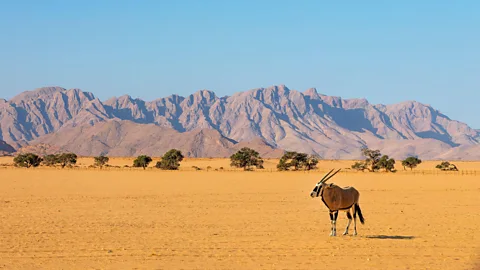
One of the driest and least populated countries on Earth, Namibia has long attracted travellers seeking truly remote experiences. In recent years, the country has doubled down on its investment in tourism infrastructure to broaden access while preserving its wilderness appeal. Since 2019, more than N$136m (£6.28m; $8.13m) has been directed towards road improvement in Etosha and Namib-Naukluft national parks, and the Namibia Tourism Board recently launched a marketing campaign to attract visitors from Asia, the Middle East and North America.
 Alamy
AlamyThe country is one of the best in the world for wildlife spotting, with Etosha home to four of the Big Five. "Namibia is less crowded than other safari destinations, so you can often have sightings to yourself," said Joanna Reeve, a director for Intrepid Travel, which reports strong year-on-year growth for its Namibia itineraries.
The country is also widely recognised for conservation-led tourism. More than 80 communal conservancies cover 20% of Namibia's land – a model often cited as one of Africa's most successful examples of community-based wildlife management. This has the benefit of attracting more ecologically minded visitors who are looking to engage more deeply with landscapes and local communities.
"We've seen a sustained rise in demand for Namibia," said Jarrod Kyte, product and sales director at B-Corp tour operator Steppes Travel. "[It's] a destination that delivers dramatic landscapes and profoundly immersive encounters with nature." According to Kyte, few places capture this better than the NamibRand Nature Reserve, a designated Dark Sky Reserve known for exceptionally clear views of the Milky Way.
Improved regional air links are also reshaping itineraries. With increased connections between Windhoek and Maun, Victoria Falls, Livingstone and Lusaka, Kyte recommends first-time visitors combine Namibia with a neighbouring country for a broader Southern Africa adventure.
Brazil
In 2025, Brazil welcomed more than nine million international visitors – the highest year-over-year tourism growth in the world last year, as a result of its concerted effort to attract new visitors. Still, for the world's fifth-largest country by area, the number is modest; France, a fraction of its size, receives more than 100 million annually. Brazil's government knows the potential for growth is huge and has put international investment behind it, but remains conscious of the dangers of overtourism.
"Our strategy focuses on decentralising tourism flows, encouraging visitors to travel around different regions, seasons and types of experiences," said Marcelo Freixo, president of Embratur, the Brazilian agency for international tourism promotion.
 Getty Images
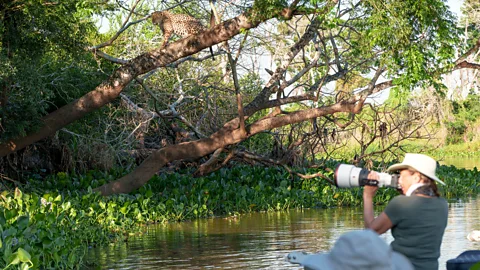
The country's scale helps. Bruno Wendling, president of the Mato Grosso do Sul Tourism Board, said that overtourism is rarely a concern in his region, located in central-west Brazil. "To put it into perspective, the Pantanal is roughly the size of Portugal, yet it has only around 20 traditional lodges, most with just 10 to 15 rooms," he said. The nearby town of Bonito follows a strict control system, capping daily visitor numbers at each natural attraction. "Our real differentiation is exclusivity, small groups, low impact and the delivery of truly unique experiences," Wendling added.
More like this:
• Tourism is booming in 2026 – just not where you think
• Extreme ways countries are combatting overtourism
• Inside Asia's best countries for expats
Brazil will host the FIFA Women's World Cup in 2027, bringing further investment in transport and accommodation. Cabrera recommends visitors allow at least 10 days to two weeks for an immersive trip, starting in gateway cities like São Paulo or Rio before venturing inward, into the Amazon for river journeys, the Pantanal for wildlife or the surreal landscapes of Lençóis Maranhenses National Park and Jalapão State Park.
Vietnam
Vietnam broke its own tourism record in 2025, welcoming more than 21 million international visitors – a 20% increase attributed in part to expanded visa exemptions. These eased entry requirements for countries including the UK, Germany, France and several Nordic and southern European nations caused arrivals from Europe to surge nearly 39%.
 Alamy
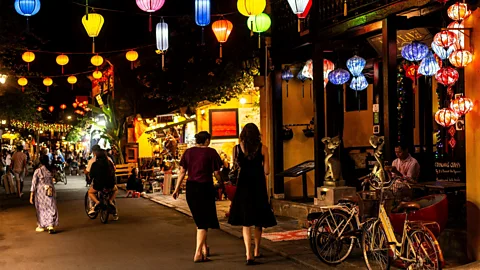
AlamyBut the country's biggest infrastructure moment is yet to come. In mid-2026, Long Thanh International Airport is expected to begin full commercial operations outside Ho Chi Minh City. The first phase will handle up to 25 million passengers annually, with long-haul international flights from Europe, India, the Middle East and North America shifting here from the congested Tan Son Nhat Airport (which will continue managing flights from Southeast Asia).
Despite rising arrivals, residents say that much of the country still feels genuinely undiscovered. "Due to the country’s size, diverse climates and varied landscapes, Vietnam still offers a vast amount of unexplored potential," said resident Ramon Imper, general manager of TIA Wellness Resort. "Tourism still contributes a smaller share to the economy compared to neighbouring destinations, which creates an opportunity for more balanced and sustainable growth."
For first-time visitors, Martin Koerner, group commercial director of The Anam, recommends combining Ho Chi Minh City or Hanoi with a cultural stop in Hoi An or Hue, followed by a coastal retreat in Cam Ranh or Mui Ne. He notes that Hue has some of the best food in the country, with local favourites like baby clam dishes cơm hến or bún hến being a must-try.
Lithuania
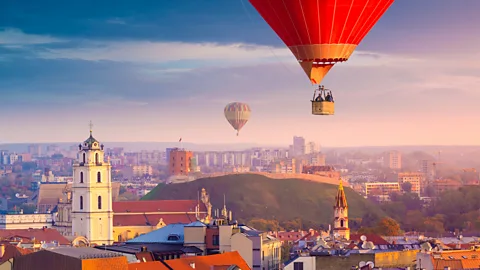
In 2024, Lithuania approved its first national Tourism Roadmap, setting a goal of doubling tourism's contribution to the economy by 2030. The country has already been moving in that direction, recording a 4.4% growth in international arrivals in 2025 and seeing its airports reach record passenger numbers. Visitors are increasingly drawn by Lithuania's emerging food scene, vast forests and lakes and longstanding folk traditions – the same themes the country hopes to build on.
"We are interested in growing tourism not by quantity, but by quality," said Vilma Daubarienė, head of tourism at Go Vilnius, the development agency for the nation's capital. "We want to encourage longer stays and attract travellers whose interests align with the local ecosystem, such as culture and gastronomy enthusiasts."
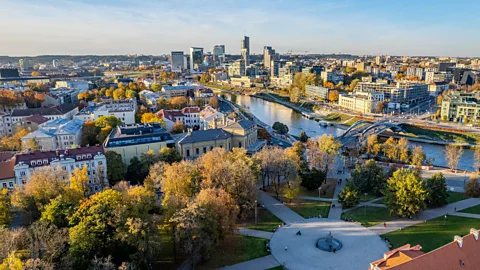 Getty Images
Vilnius was named European Green Capital for 2025, highlighting its extensive forests and parks (which cover around 60% of the city limits) and its focus on sustainability and urban mobility. Vilnius also has hefty food chops. With four Michelin-starred restaurants, the city and its chefs have helped drive a "New Baltic Cuisine" movement that draws on foraged ingredients and traditional techniques such as fermenting. One of its most distinctive culinary events is the Pink Soup Fest, held each May to celebrate šaltibarščiai, the cold, brightly coloured beetroot soup that's one of Lithuania’s favourite summer foods.
Luckily, summer isn't the only good time to travel here. "December is strong thanks to the Christmas season; January brings the Vilnius Light Festival; and March is marked by Kaziukas Fair, one of the region's most distinctive traditional crafts fairs," said Daubarienė.
Visitors can also connect more directly with residents through the city’s free "Meet a Local" programme, which pairs travellers with volunteers who offer personal insights into everyday life in Vilnius.
Canada
Once ranked among the top-10 destinations in the World Economic Forum's Travel and Tourism Development Index, Canada has slipped to 13th place in recent years. But the country has ambitious plans to jump back into the top seven by 2030, following the launch of its national tourism strategy, A World of Opportunity, in 2024.
Tourism currently supports more than two million jobs nationwide and plays a particularly important role in rural and remote communities, where visitor spending sustains family-run inns, guiding services and small businesses. This summer could offer a major boost: Canada will co-host the FIFA World Cup, with 13 matches taking place in Toronto and Vancouver.
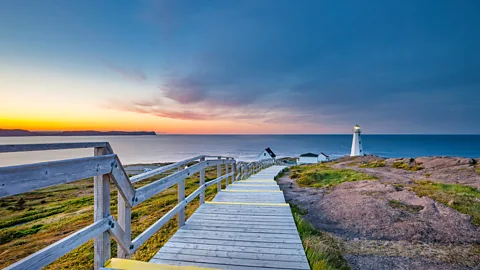 Getty Images
Travel here intuitively encourages slower exploration. A flight from Vancouver on the Pacific coast to Newfoundland on the Atlantic can take seven to 10 hours, meaning most visitors focus on a single region – Western, Central or Atlantic Canada – rather than attempting to see the entire country in one trip.
Tourism also plays an important role in supporting Indigenous communities. "In British Columbia, tourism has helped increase awareness of the 204 First Nations communities across the province, each with their own culture, history, and traditions," said Frances Pratt of Destination British Columbia. Today, the province is home to more than 400 Indigenous tourism-related businesses, ranging from art galleries and cultural centres to wildlife tours such as Takaya paddling trips
For first-time visitors, Mongrain recommends Newfoundland's East Coast Trail, which offers dramatic Atlantic headlands and small fishing communities, or the country's many national parks in the Rockies or Atlantic Canada sit close to working communities. In British Columbia, both Mongrain and Pratt suggest the Okanagan Valley for its vineyards, cycling routes and lakeside towns, as well as the valley city of Kelowna, which was named Canada's first Unesco Creative City of Gastronomy in 2025.
--
If you liked this story, sign up for The Essential List newsletter – a handpicked selection of features, videos and can't-miss news, delivered to your inbox twice a week.
For more Travel stories from the BBC, follow us on Facebookand Instagram.
