How to holiday safely this summer under the Mediterranean sun

 Alamy
AlamyThe Mediterranean is synonymous with sunshine, but intensifying heatwaves are spoiling holidays and even claiming lives. Here's how you can still enjoy its stunning destinations – safely.
Georgia Fowkes considered herself a seasoned traveller. As an advisor for Altezza Travel, she was used to navigating sweltering environments, from East Africa to Southern California. But surrounded by whitewashed buildings and ancient ruins in Greece while dripping with sweat, she was miserable.
"A European heatwave hits differently," she said. "The kind [of heat] that cancels your plans, fries your brain and makes you rethink why you booked a rooftop hotel in July."
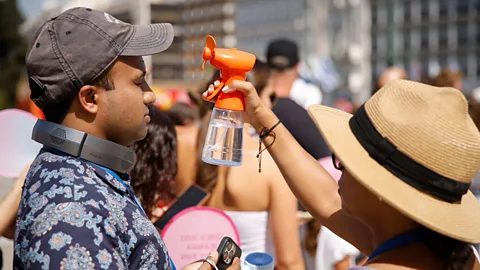
In recent years, many of the Mediterranean's iconically sunny destinations like Italy, Greece, France and Spain have become increasingly besieged by devastating heatwaves, leading unsuspecting tourists to come up with creative solutions to keep cool.
"Our hotel had AC technically, but it groaned like a dying fan and gave up by mid-afternoon," said Fowkes. "The tap water came out warm. There were no blackout curtains. I tried sleeping with a wet towel on my chest and a bottle of frozen water under my knees and still woke up dizzy. At one point, I moved my pillow to the stairwell and lay on the tiles like a Victorian fainting lady because that was the only surface remotely cool."
Travellers wandering through the Mediterranean's winding alleyways and descending on its turquoise seas this summer have found little reprieve; several scorching heatwaves have already brought record-busting temperatures, leading to a spike in heat-related health problems and even deaths across Europe.
"The line of the tropics has literally moved," explained Nick Cavanaugh, a climate scientist and founder of Sensible Weather, a climate risk technology company. "There are all these circulation patterns around the world and the ones that surround the tropics are actually growing."
More extreme temperatures are predicted across southern Europe this weekend, just as the European holiday season comes to its peak.
Dr Olalekan Otulana, a general practitioner at Cassiobury Court in the UK feels that tourists may be particularly susceptible to overheating, as many of the activities that travellers enjoy on holiday, such as walking tours through cobblestoned villages, long nature hikes and wine tastings, can exacerbate heat-related illnesses. "Extreme heat can be deceptively dangerous," he said. "Especially when people are on holiday and naturally more relaxed about their usual routines."
Short of taking your summer holidays further north, here are some expert travel tips for enjoying the Mediterranean sunshine – safely.
 Getty Images
Choose your accommodations wisely
It's not uncommon to find businesses, Airbnbs and even train stations in southern Europe that are completely without air conditioning – a fact that might take many non-European travellers by surprise.
"Electricity has always been very expensive in Italy," said Andrea Moradei, founder of Vinarium, a Florence-based wine and culture tourism company. "We all grew up trying to conserve energy. You learn from a young age to only keep the windows open from late evening until 21:00. You use shutters and curtains [to keep cool during the day.]."
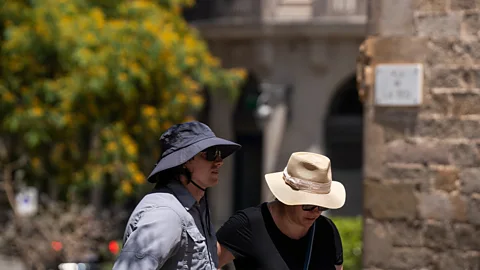
Moradei recommended that travellers to southern Europe choose accommodations that stay cool naturally – like historical structures made of stone or brick, which were designed to absorb heat during the day, or hilltop lodgings that feature exterior shutters and cross ventilation for night-time air flow.
 Getty Images
Do as the locals do– relax after lunch
The hours after lunchtime are often the hottest of the day, which offer travellers an invitation to embrace their inner Mediterranean and take a siesta, or break.
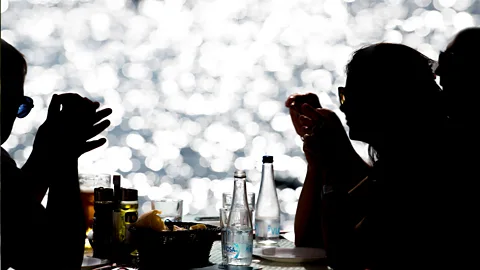
"As [we do] in many Mediterranean countries, try to limit your activities in the afternoon," Moradei advised. "You can't fill your days with so many different activities because it's too hot. Take a cue from the locals… let some of the hours of the day slip away."
In Spain, Italy and Greece, many shops and restaurants close after lunch (typically until 17:00) while residents retreat to the quiet of their homes. Hanging out in your hotel may seem like a waste of precious holiday time, but even a quick power nap can improve your stamina; crucial when dealing with debilitating heat. Taking a siesta doesn't have to mean sleeping, either. In Italy, the lazy post-prandial hours are referred to as the pausa pranzo (lunch break) and are seen as a way to recharge during a demanding day and, on weekends, digest an epic lunch. Catch up on your reading or plot your next meals.
 Getty Images
Smart sightseeing
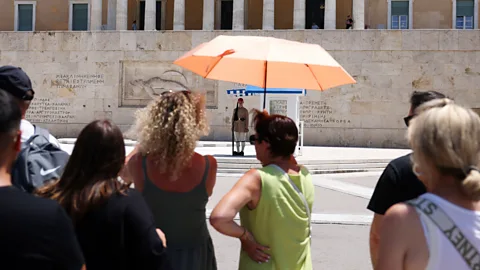
While it's tempting to pack in as many activities as possible on holiday – especially if you only have a few days abroad – experts recommend adopting a leisurely, energy-conserving pace and prioritising indoor activities during the worst heat of the day.
When Whitney Haldeman – founder of Atlas Adventures, a luxury travel group for women – faced extreme heat on one of her trips to southern France, she said the group "shifted sightseeing to earlier in the morning, prioritised long lunches in spots with shade or aircon, built in daily rest time and leaned into slower, more sensory experiences: like wine tastings in cool cellars or floating in the hotel pool."
Museums and historic churches are generally well-ventilated, so you can still come face to face with ancient relics and religious treasures without putting yourself at risk.
 Getty Images
Know the signs of heatstroke
Nothing spoils a holiday like an unexpected visit to an emergency health clinic, so recognising the danger signs of heat exhaustion can be crucial.
"With heat exhaustion, people may notice feeling dizzy, excessively sweating or feeling nauseous," said Dr Otulana. "If it progresses to heat stroke, symptoms become more serious and can include confusion and loss of consciousness as well as severe headache. There can also be a lack of sweating despite feeling hot. The body's temperature regulation system essentially shuts down and their temperature can rise above 40C, which risks organ damage."
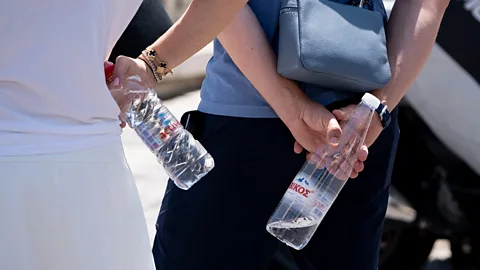
Otulana advises that travellers drink water regularly, even if they're feeling well. "Hydration is critical," said Dr Otulana. "So, maintain consistent fluid intake throughout the day."
Haldeman recalled how her tour group frantically sought relief during their French holiday. "Hydration tablets, portable fans and breezy natural fabrics became essential," she said. "One guest brought a battery-powered fan we all envied by day two [of our trip]."
It may be tempting to brush off heatstroke warnings – particularly if you are visiting the Mediterranean expressly to enjoy its famous sunshine. But "extreme heat hijacks your whole trip", Fowkes cautions after her own bout with the region's extreme weather. "I [don't] care how pretty the view is – everyone did the same shuffle: find mist machines, hide in grocery stores, count down the hours until after dark. We weren't sightseeing. We were surviving."
--
If you liked this story, sign up for The Essential List newsletter – a handpicked selection of features, videos and can't-miss news, delivered to your inbox twice a week.
