How 'unique' peninsula is being repaired by nature

 BBC
BBCA wildlife trust has explained how nature itself is repairing a peninsula split in two by a massive tidal surge more than a decade ago.
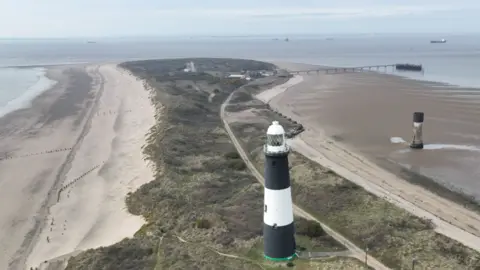
Spurn, a 3.5 mile (6km) spit comprising sand, mud and marram grass in East Yorkshire, curves between the North Sea and the Humber Estuary.
The 2013 surge - cited by the Environment Agency as the worst since the floods of 1953 - washed away the only road, while swathes of sand dunes and wildlife habitats were lost.
David Craven, from Yorkshire Wildlife Trust (YWT), which manages the site, said: "There was a general concern that we might end up with an island, but nature is building the spit back up. Spurn is getting closer to where we want it."
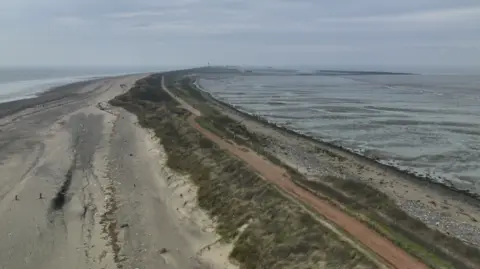
Craven cited longshore drift - a coastal process where materials are moved along the coastline - as the principle reason for the recovery.
"The sea is dumping material that has been eroded away to the north of Spurn," he explained. "The result is that the spit is building up."
Craven said he fell in love with Spurn when he first visited as a boy 40 years ago.
He said: "It's a wonderful, unique habitat because of the processes that affect it and its location at the intersection of the North Sea and Humber Estuary.
"But, when the wind whips up, it can feel terrifying."
YWT seeks to work in harmony with natural processes, said Craven.
He pointed to the issues caused by the brown-tail moth, which can cause irritate skin.
 Abzee (via Getty Images)
"The caterpillars feed on buckthorn," said Craven. "One of the big step changes we have done is bring grazing animals down to the point through the autumn and winter.
"They also eat the buckthorn, leaving the brown-tail moth without the cover it needs to thrive."
Craven said the trust has learned to adapt approaches "when things happen".
"We haven't had to have the cattle on as long this year due to last year's dry weather. It meant the buckthorn didn't get out of control.
"But, of course, we have to be careful - migratory birds feed on the caterpillars."
Clearing areas of buckthorn creates space for other flora to thrive, he said.
"If we get a warm start to spring, we are expecting a good display of orchids and other grassland species."
Listen to highlights fromHull and East Yorkshire on BBC Sounds, watch the latest episode of Look Northor tell us about a story you think we should be coveringhere.
Download the BBC News app from the App Storefor iPhone and iPad orGoogle Play for Android devices
