'I evict newts from a castle for a living'

 National Trust
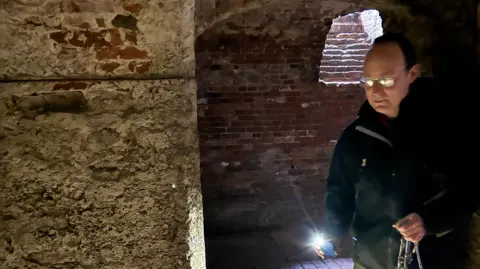
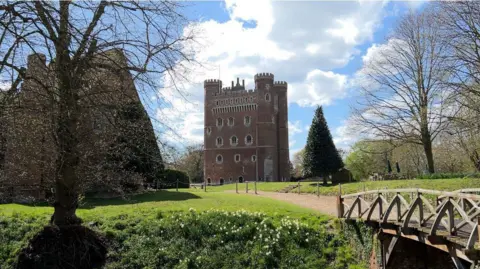
Is this Britain's most unusual job? National Trust ranger Nick Dunnett spends his days combing the cellars of Lincolnshire's Tattershall Castle looking for a protected species likened to a "mini dinosaur".
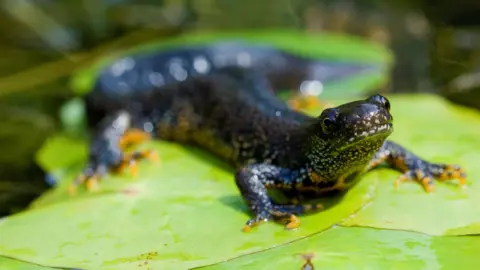
His target in the 15th Century attraction near Sleaford is the great crested newt.
A very large breeding population can be found in the moat and surrounding land.
"The water in the moats provides opportunities for courtship displays, breading, egg laying and the development of young newts," says Nick.
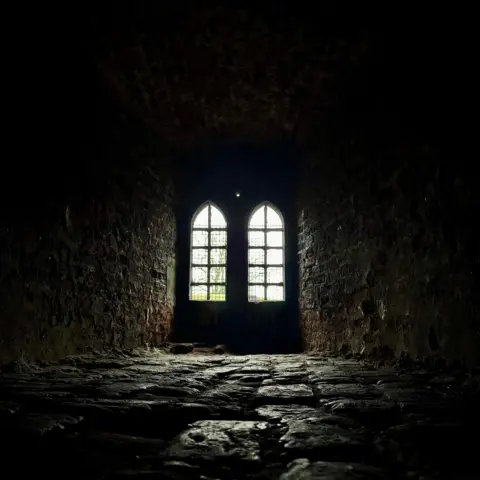
During the winter, some manage to sneak their way into the castle by exploiting old tunnels and cracks in the mortar between bricks.
Nick says: "Some are known to seek shelter in cold, dark, damp places over winter. The castle's basement provides excellent opportunity for this."
 Getty Images
However, it seems a castle cellar is not the best place for a great crested newt.
"The lime mortar between the handmade bricks can fatally damage the newt's skin," explains Nick.
"When we find individual newts in places where they could come to harm, we carefully rescue them with permission from Natural England and relocate them to purpose-built refuges around the grounds."
 BBC News
The refuges are made from stacked bricks and offer safe, damp spaces where newts can hibernate undisturbed in the castle grounds.
Six great crested newts have been rescued and rehoused this winter.
Nick says the utmost care is taken.
"All of this work is carried out in line with strict wildlife legislation, ensuring these special animals are protected."
Known as warty newts or little dinosaurs due to their distinctive crest, they can grow up to 17cm (7in) in length. They have been in decline for the past 50 years.
 National Trust
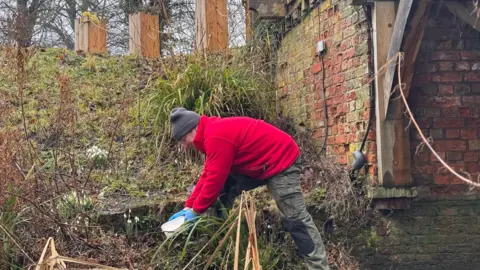
Working with a team of ranger volunteers, staff manage the moat and surrounding habitats.
"This includes maintaining water levels, managing aquatic and bank-side vegetation, creating and looking after refuges, and carrying out regular surveys and monitoring," says Nick.
"In drier years, when water levels can drop, it's important we take extra care to protect the newts' habitat and safeguard the long-term health of the great crested newt population, helping to ensure breeding can continue successfully."
 National Trust
Nick, who joined the castle's team in 2024, says caring for the site's history and protected species is "one of the most special" parts of the job.
He says: "Here at Tattershall, nature and heritage go hand in hand. By caring for both, we're helping to ensure this special place remains alive with history, wildlife and wonder for generations to come."
Listen to highlights fromLincolnshire on BBC Sounds, watch thelatest episode of Look Northor tell us about a story you think we should be covering here.
Download the BBC News app from the App Storefor iPhone and iPad orGoogle Play for Android devices
