Are weekly food waste collections worth the money?

 Becki Bowden / BBC
Households in most of England are due to get weekly food waste bin collections by 31 March this year. But will they be worth the money?
The government says the changes will help people recycle more easily. It has provided more than £340m to pay for the rollout, with some areas getting collections for the first time.
East Riding of Yorkshire Council (ERYC), which is moving from fortnightly to weekly collections, said food made up about a fifth of rubbish in its general bins and this could instead be used for composting.
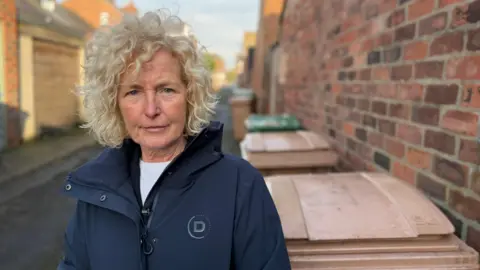
However, Denise Howard, the Reform UK councillor for East Wolds and Coastal, described the changes as "stupid" and a "ridiculous waste of money".
"The East Riding has some great levels of recycling, we're already doing it right," Howard added.
"At a time when food prices are high, as they are, how many people do you honestly think are going to have so much waste that it would fill a brown [food and garden waste] bin on a weekly basis? My guess is not many."
The decision to introduce weekly food waste collections was made by the previous Conservative government in 2023. Howard was a Conservative councillor at the time, before defecting to Reform in October 2025.
 Becki Bowden / BBC
ERYC said it had created 50 new jobs and would have 16 extra bin lorries to help with the new rounds, which will begin next month. It is also giving out free food caddies and liners for households.
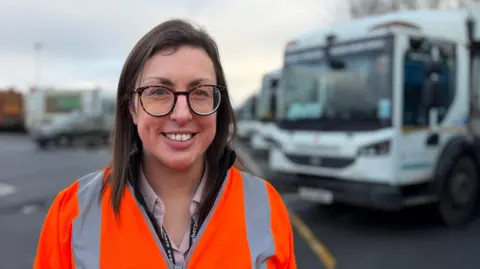
Sarah Atkinson, who manages waste treatment and disposal, said the changes would bring "a really big benefit" by ensuring food waste was not disposed of in green general bins.
"Anything in the green bin gets sent off to be disposed of – it gets burned. But if it goes into the brown bin then we can make compost, so it's a lot better for the environment.
"We think weekly collections of food waste will actually make more people get involved, especially during the summer months, when perhaps a fortnightly collection of food waste put them off due to smells and things like that."
 Becki Bowden / BBC
Residents in the market town of Driffield offered a mixed response to the changes.
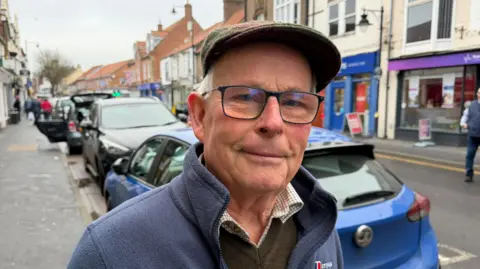
Stephen Byass said whether weekly collections were worth the money depended on how full people's bins were.
"I don't have much food waste, I make sure I use it all up," he added.
Susan Mann uses her brown bin mostly for garden waste.
"It's going to be greatly appreciated to have it emptied more regularly and I think it'll be better for everyone," she said.
"It'll just help with a lot of tidying up and stop bins from overflowing, which does happen a lot in the summer time."
Andrew Leach said his brown bin was rarely full and he would prefer to see his household recycling and general waste bins collected weekly because he was "constantly waiting" for them to be picked up.
The government told all local authorities with responsibilty for collecting household waste to provide weekly food-waste collections from 31 March, but some councils have been granted a longer transitional arrangement.
Renewable power
In Lincolnshire, household food waste collections are to be rolled out across parts of the county for the first time.
Four district councils will launch the initiative in April, with the other three following in the autumn.
Lincolnshire County Council said food waste would be made into nutrient-rich fertiliser for farms, as well as renewable energy to power homes and businesses.
Rachel Stamp, waste partnerships and projects manager, said the council believed the changes would bring "consistency across the country" and was likely to "account for 7% on our recycling rate".
She added: "It's a really good thing. Environmentally, it's exactly the right thing to do.
"This is about moving waste up the waste hierarchy, so into re-use and recycling as far as possible, rather than into disposal."
A spokesperson for the Department for Environment, Food and Rural Affairs said: "We have already provided £261.7m transitional capital funding and £79.5m transitional resource funding for weekly food waste collections.
"This money has been provided to help local authorities with the start-up costs to set up a food waste service, including the purchasing of bins and trucks, project management, procurement and communications."
Listen to highlights from Hull and East YorkshireorLincolnshireon BBC Sounds, watch thelatest episode of Look Northor tell us about a story you think we should be covering here.
Download the BBC News app from the App Store for iPhone and iPad or Google Play for Android devices
