Scotland's biggest hospital 'opened too early' despite safety fears

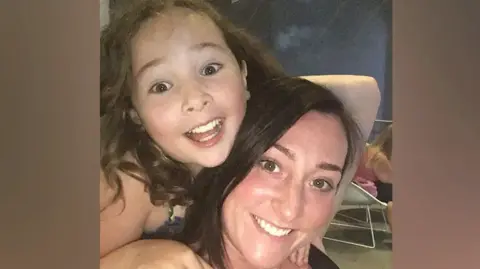 Kimberly Darroch
Scotland's biggest hospital opened too early despite safety fears over the design of the building, an inquiry has heard.
It comes after the health board admitted infections of some child cancer patients were probably linked to a hospital water system.
NHS Greater Glasgow and Clyde (NHSGGC) had previously denied bacteria in the water at the Queen Elizabeth University Hospital (QEUH) campus was to blame.
The Scottish Hospitals Inquiry, which has been looking at the planning, design, construction and maintenance of hospitals, will hear four days of final oral submissions before publishing a report later this year.
The investigation was prompted by concern about patient safety following a series of infections and several deaths, including that of 10-year-old Milly Main.
In its closing statement, NHSGGC said: "Pressure was applied to open the hospital on time and on budget, and it is now clear that the hospital opened too early. It was not ready."
Health board apology
The health board said it acknowledged and accepted "significant failings" and lessons had been learned. It said the hospital was now safe and provided "high quality care".
Its lawyer, Peter Gray KC, said the health board was a "very different organisation" than the one involved in the design and construction of the hospital.
He added: "NHSGGC offers an unreserved apology for the distress and trauma experienced by patients and families during this time."
But while the health board acknowledged a casual connection to increased infections, he stressed that there was no definite link between the hospital environment and specific individual cases of infection.
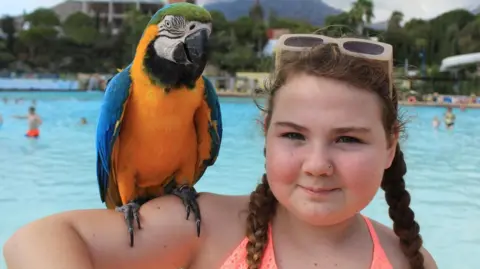
Mark Bisset, whose daughter Charly contracted infections while staying at the hospital complex for cancer treatment, accused the health board of "backtracking".
"One minute you're telling us there's a casual link and now they're saying there isn't a link," he said.
"There is a link to infections, but not individual cases. So how can they decipher what is and what isn't?
"It's baffling. I'm furious that yet again here they are, side-stepping and backtracking."
He added: "My daughter has been left with lifelong conditions because of her treatment. And we're one of the lucky ones because my daughter is still here."
Health Secretary Neil Gray offered his "biggest condolences" to the families impacted and said ministers took concerns about patient safety seriously.
He said he did not want to pre-empt the findings of the public inquiry but said it was getting to the truth.
The health board had previously denied that bacteria in the water was to blame for the infections of some child cancer patients.
The change of position by NHSGGC emerged at the weekend in a document submitted ahead of the final inquiry session.
Having reflected on the expert evidence, it said there was "on the balance of probabilities" a causal connection between a high rate of bloodstream infections among child patients and the hospital environment, particularly the water system.
It said infection rates fell after remedial work was carried out in 2018, including changes to the water system.
During earlier evidence sessions, senior officials had maintained the infections were complex with multiple possible sources.
On Tuesday, counsel to the inquiry Craig Connal KC welcomed the change, adding: "It's a little bit disappointing that this change in position did not come a lot earlier."
He also criticised the health board for failing to blame any specific individual in its closing statement, which he called an "untenable position".
Families of children who died following infections have welcomed the admission about the water system, but said it should have come far sooner.
Kimberly Darroch, mother of 10-year-old Milly Main, who suffered septic shock after an intravenous line became infected in 2017, said: "As a mother, I've spent six years fighting for answers that should have been given at the very beginning".
Milly, who was being treated for leukaemia, was in remission at the time of her death.
John Cuddihy, whose daughter Molly died aged 23 last August, seven years after she was infected said it was "overdue recognition" of problems with the water system that families had been warning about for years.
'Hospital opened too early'
The health board's final written submission also accepted that there were numerous issues outstanding when the hospital was handed over in 2015, with more than 200 contractors still on site.
"It is clear NHSGGC did not get what it asked for," it said, adding that legal action was ongoing against the main contractor Multiplex.
It said members of the facilities and estates team were under "extreme pressure to manage a situation that was not of their making" but it accepted there were too few resources to manage the handover, and a request for extra staff was refused.
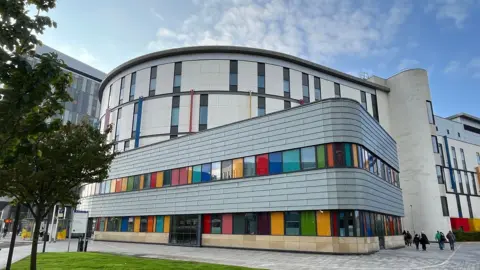
The submission said it was clear the hospital opened too early and an obvious example was the opening of Ward 2A.
This was part of the Schiehallion unit where children with blood problems and cancers were treated - without Hepa filters inside the filter casings.
Hepa filters are used to trap airborne particles.
The problem was immediately rectified, but should not have happened, the health board said.
Whistleblowers not listened to
In another admission, the health board said "it did not adequately listen" to whistleblowers and staff raising concerns.
It repeated an apology from its current chief executive Prof Jann Gardner - who took up the post early last year - to staff who did not feel listened to.
The health board said steps had now been taken to ensure its whistleblowing process could be conducted effectively in future and that all staff felt supported in raising concerns.
Scottish Labour leader Anas Sarwar has called for senior hospital officials and politicians who were in post at the time to be investigated, including Nicola Sturgeon and John Swinney.
NHSGGC has already been named by prosecutors in a corporate homicide probe which is looking into the deaths of Milly Main, two other children and a 73-year-old woman at the hospital campus.
The death last year of Molly Cuddihy is also being investigated by the Crown Office.

The Glasgow hospital campus which includes the QEUH and the Royal Hospital for Children opened to patients in 2015, after being built at a cost of £840m, replacing three older hospitals in the city.
But within a few years a number of patient deaths and infections led to concerns about the water and ventilation systems.
Former Health Secretary Jeane Freeman ordered a public inquiry in 2019, with its remit also including problems at Edinburgh's Royal Hospital for Children and Young People (RHCYP).
The opening of the Edinburgh site had been delayed at the last minute after safety concerns about its ventilation system.
The public inquiry's interim report on the RHCYP has already been issued, saying a spreadsheet error by the health board led to the system being wrongly specified.
