Health board admits fatal infections probably caused by water system

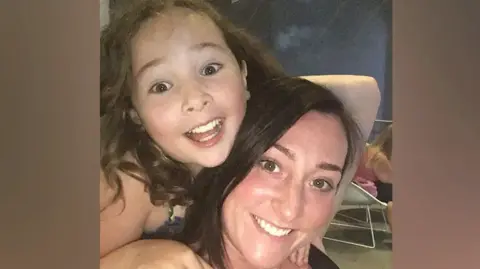 Kimberly Darroch
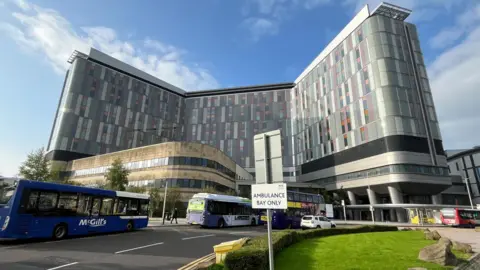
A health board has admitted issues with its water system probably did cause infections in child cancer patients at a major hospital.
NHS Greater Glasgow and Clyde (NHSGGC) had consistently denied bacteria in the water at the Queen Elizabeth University Hospital (QEUH) was responsible for causing some infections which led to the deaths of patients.
However, in closing submissions to the Scottish Hospitals Inquiry the health board said it was likely there was a "causal connection" between infections suffered by patients and "the hospital environment, in particular the water system".
A spokesperson for NHSGGC said it was supporting the inquiry while the Scottish government said it would be "inappropriate to comment".
The probe was launched to examine mistakes made in the planning, design and construction of the QEUH campus following concerns about unusual infections and the deaths of four patients.
Those included 10-year-old Milly Main, who died after contracting the stenotrophomonas bacteria while undergoing treatment for leukaemia in 2017.
A separate corporate homicide investigation into the deaths of Milly, two other children and 73-year-old Gail Armstrong was launched in 2021.
And last year prosecutors opened an investigation into the death of a young woman, seven years after she became seriously ill with an infection potentially acquired in the hospital.
In a closing statement to the Inquiry, NHSGGC said it had been "broadly acknowledged" there was no "definite link between infections and the water system".
But it said it was "more likely than not" some infections suffered by patients were connected to the hospital's water supply.
They said: "NHSGGC accepts that, on the balance of probabilities, there is a causal connection between some infections suffered by patients and the hospital environment, in particular the water system.
"It is more likely than not that a material proportion of the additional environmentally relevant BSI [blood stream infections] in the paediatric haemato-oncology population between 2016 and 2018 had a connection to the state of the hospital water system.
"NHSGGC departs from its earlier submissions in this regard, having heard all expert evidence."
The health board added there had been a "steady decrease" in the rate of infection after remedial measures on the system had commenced.
Asked about the closing statement, a spokesperson for NHSGGC said: "We remain fully committed to supporting the Inquiry in its investigations."
A Scottish government spokesperson said: "We established a statutory public inquiry so that families could get answers to their questions, and so that lessons can be learned for future hospital projects.
"As an independent core participant of the Inquiry, the Scottish government is committed to assisting the Inquiry and therefore it would be inappropriate to comment any further at this time."
Milly had a successful stem cell transplant in July 2017 while in remission from leukaemia.
Her Hickman line, a catheter used to administer drugs, later became infected.
Milly's condition deteriorated and she went into toxic shock. She died on 31 August 2017.
Her mother, Kimberly Darroch, has previously said her child's death was "murder".
She welcome the admission from NHSGGC, but said it should have come much earlier for the families involved.
Darroch told BBC Scotland News: "As a mother, I've spent six years fighting for answers that should have been given at the very beginning.
"It is good news that the health board has admitted that, on the balance of probabilities, there was a causal connection between the environment and Milly's bloodstream infection.
"This acknowledgement is a significant milestone for our family, but it also highlights how hard families have had to fight just to have the truth recognised".
'Callous evasion and dishonesty'
In 2024, the former lead infection control doctor at the hospital told the Inquiry there was no direct evidence linking the infections to the building.
Patrick McGuire, a senior partner at Thompsons Solicitors Scotland, represents many of the families affected.
He said: "Finally after years of the most callous evasion and dishonesty Greater Glasgow and Clyde Health Board have admitted to the failings that led to the deaths and serious illness of my client's loved ones.
"The families have now been vindicated but only after years of being denigrated and dismissed by the health board.
"It is now of the highest priority that those who have been behind this disgraceful conduct are held to account."
McGuire also called for the inquiry to be extended to ensure "nothing like this can ever happen again".

Last year prosecutors opened an investigation into the death of Molly Cuddihy, who previously gave evidence before the Scottish Hospitals Inquiry about her experiences at the QEUH while undergoing chemotherapy as a teenager.
Molly, 23, died in the high dependency unit of the hospital on 26 August.
In 2018 she developed septic shock while receiving cancer treatment at the same hospital campus, which is now at the centre of a public inquiry into safety issues.
Molly's death was reported to prosecutors by a consultant after she was admitted again in July last year and developed another hospital-acquired infection.
At the time NHS Greater Glasgow and Clyde expressed its "deepest condolences" to her family but said it was unable to comment on the case due to patient confidentiality.
Update: In its closing statement, GGCHB accepted that on the balance of probabilities there was a connection between some infections and the water system, and said it accepted the conclusions of an independent case review. That review concluded that the deaths of two patients were linked, at least in part, to infections. GGCHB later clarified on 20 January that it did not accept a link between the hospital environment and particular individual cases of infection.
