Climate change scrutiny body to be set up

 BBC
BBCNorthern Ireland has taken a step closer to establishing a Just Transition Commission (JTC), with draft regulations to be brought to the Agriculture, Environment and Rural Affairs Committee and the Assembly.
Agriculture and rural representatives will be among those on the Commission.
The JTC is a key element of climate change legislation and seeks to ensure no-one is left behind or unduly disadvantaged by the transition to a low-carbon society.
Farming leaders say it must "deal honestly with what is achievable on farms".
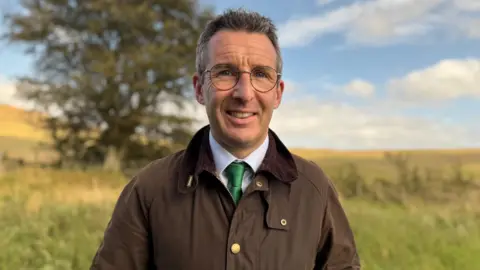
The Daera minister Andrew Muir said progressing the JTC was "an important milestone" for Northern Ireland, adding the JTC would be "essential" in delivering fair climate action.
What a Just Transition Commission does
A JTC oversees the implementation of climate action to ensure the transition to a low-carbon society is fair and inclusive.
That means that no one sector of the community should be disadvantaged or left behind by decision-making on achieving net zero.
Commissions have already been set up in Scotland and the Republic of Ireland, as well as other countries around the world including Germany, South Africa and New Zealand.
Northern Ireland's JTC will be the first in these islands to be established in statute.
Who will sit on the Commission?
Under climate change legislation, seven sectors are required to be represented on the JTC - academia; youth groups; civic society; trade unions; fisheries; agriculture; and environment.
After a ten-week consultation, it is proposed to add representatives from energy, transport, the built environment, the rural sector, and green finance.
The Commission will also oversee the Just Transition Fund for agriculture that is also required under the legislation.
A competition to appoint the commissioners will be held after the regulations progress through the Committee and Assembly.
The design of the Commission will be based on the Scottish model, where a JTC has been in operation since 2019.
Farmers have concerns

The Ulster Farmers' Union said the Commission "must confront the hard reality facing farmers", adding that agriculture-specific targets are "simply unachievable".
Deputy president John McClenaghan said the UFU supported the establishment of the JTC, but its success would depend on whether it would "deal honestly with what is achievable" on farms.
"Agriculture faces unique and unavoidable biological constraints, and climate targets that ignore these realities are neither fair nor credible."
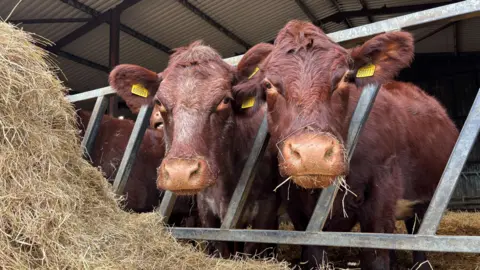
Agriculture is the biggest contributor of greenhouse gases in Northern Ireland.
The independent Climate Change Committee, which advises the UK government on climate change, has recommended a shift to low-carbon farming to meet emission reduction targets.
Work is underway to try to reduce emissions through making production more efficient, improving soil quality and looking at feed additives to cut the amount of methane produced by livestock.
McClenaghan said agriculture was prepared to play its part in tackling climate change.
"But it must be evidence-based, proportionate and achievable.
"The current legislative framework does not yet strike that balance.
"It is essential that the Commission recognises these shortcomings and works to ensure that farmers are not asked to shoulder an unreasonable share of the burden, while continuing to produce safe, affordable food."
