Food waste collections 'will start by end of year'

 BBC
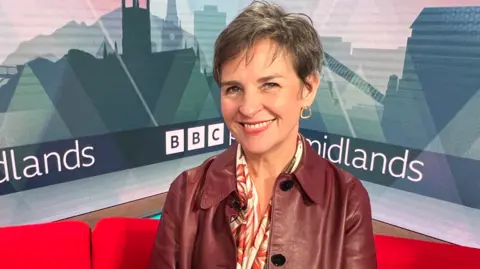
BBCAll local authorities in the West Midlands will be making some form of food waste collections by the end of the year, the government minister responsible for bins has said.
Councils had been told to start these collections from the start of April, but Mary Creagh said it was better to roll it out slowly, "with consent and logistics in place," rather than rush it "and get it wrong".
The environment minister, who is also the MP for Coventry East, said some local authorities had faced challenges in getting the service up and running, but government funding had been made available to help them.
She said she was confident people would support the idea.
Speaking to BBC Politics Midlands, the Labour MP said too much food waste had been going to landfill, causing gas emissions and smells.
But she added "actually, this is really useful stuff".
"Farmers can use it for fertiliser, and we can use the gas that it gives off as green gas to heat people's homes and create green electricity."
She said the introduction of the food waste collections was "really exciting" and she believed people would understand the aim was to improve recycling.
More than a quarter of English councils are set to miss an official deadline to introduce weekly food waste collections to all homes, a BBC investigation found.
Some blamed the delay on demand for new specialist vehicles, as well as issues with funding despite more than £340m in grants from Defra.
The minister said she believed people wanted to do "the right thing though".
She pointed out more than half of local authorities already have food waste collections and said people know compost is good.
"If it's taken away from them in a neat caddy that's fox-proof, that they're happy to do their bit," she added.
Recycling rates in general have stagnated recently, she said, and there was a "big push" to get them to 65% nationally by 2035.
Action on fly tipping
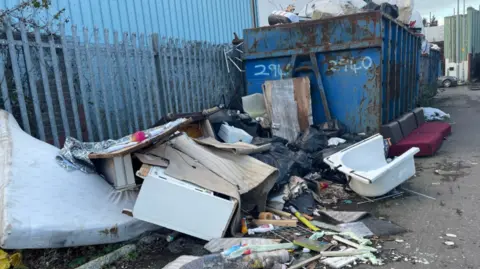
On the issue of fly-tipping, the MP said she was encouraging local authorities to make more use of the powers available to them.
This included the power to seize and crush the vehicles used by fly-tippers.
She also said there were "lots of unregulated waste collectors out there" and she wanted people to report any unlicensed operators.
To help local authorities, she said the government had increased the Environment Agency's enforcement budget and was increasing support for the Joint Unit for Waste Crime, which is based in Birmingham.
In the last two months she said there had been 18 arrests relating to waste crime.
Follow BBC Birmingham on BBC Sounds, Facebook, X and Instagram.
