What is groundwater flooding and why Dorset is seeing 'historic highs'

 Eric Bird
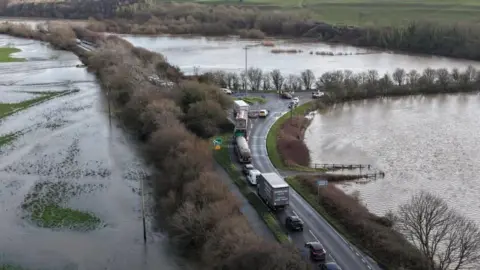
As more heavy rain is set to sweep across the south of England, people are being warned about the danger of groundwater flooding.
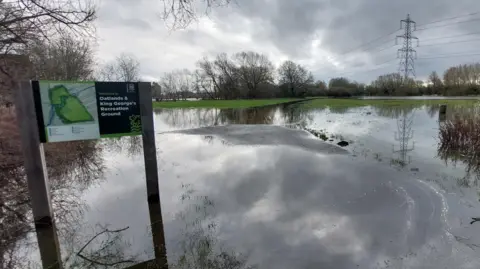
Dorset Council said it was reaching "historic highs" in some parts of the county and flood-prone areas in Oxfordshire, Berkshire and Hampshire have been suffering from its impact.
A Met Office yellow warning for rain is in force for parts of the South East and South West until 21:00 GMT on Friday.
Why does groundwater flooding happen?
A BBC report on sinking cities around the world explains that groundwater is found beneath the Earth's surface in cracks and spaces in sand, soil and rock, making up about half of the water used for domestic purposes.
According to the Environment Agency (EA), groundwater flooding occurs when the level of water within the rock or soil underground, known as a water table, rises.
"When the water table rises and reaches ground level, water starts to seep through to the surface and flooding can happen," the EA says.
That means it may rise up through floors or underground rooms such as cellars and basements.
"Flooding from groundwater is most common in areas where the underlying bedrock is chalk, but it can also happen in locations with sand and gravel such as in river valleys," the EA adds.
"Some parts of the country are more prone to groundwater flooding than others – such as Dorset."
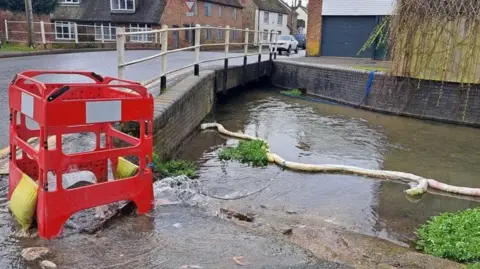
It affects homes, businesses and can lead to overflowing sewers, which happened across Dorset, Hampshire, and Oxfordshire following the recent period of heavy rain and Storm Chandra.
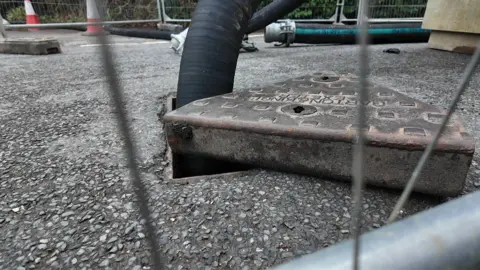
In 2024, a fleet of tankers was even brought in to draw groundwater from flood-hit areas of Berkshire.
In cases such as these the EA permits rain and groundwater to be pumped from sewers.
 Action for the River Kennet
The British Geological Survey (BGS) says that unlike flooding from rivers, "once groundwater flooding occurs it may take many months to disperse".
In a collaboration with the EA, the BGS has investigated the causes of groundwater flooding in the urbanised areas of the River Thames floodplain within Oxford.
"The city suffers from recurrent floods," it says, giving an example of the flooding in 2014, when residents faced evacuation and major routes were closed off.
"A significant number of these properties were impacted by flooding from rising groundwater which was either the sole cause of flooding or the initial cause prior to inundation by fluvial waters," it adds.
The BSG says that groundwater flooding "is not necessarily linked directly to a specific rainfall event" but its project in Oxford concluded that "significant urban groundwater flooding could occur as a result of direct infiltration of rainfall alone".
According to the data provider groundwater levels are "generally highest in early spring and lowest in early autumn".
"Therefore flooding that occurs in June to September is not normally caused by groundwater," it says.
But groundwater warnings are in place across Dorset where the council is urging residents and businesses to be prepared.
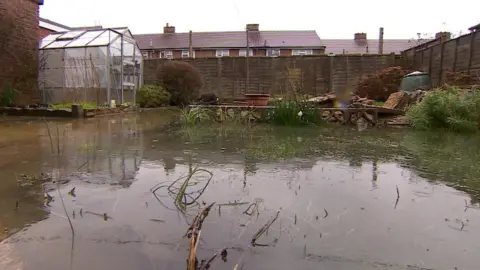
"In some parts of Dorset, water levels are so high they have peaked above the measurement scale of gauge boards, with many households experiencing groundwater flooding for the first time," the authority says.
EA area environment manager Jim Flory adds: "We have not seen so much groundwater in Dorset and Wiltshire since 2013/14 and it will hang around a lot longer than typical floodwater as it will constantly rise when pumped away."
The BSG says its project for Oxford has also shown that high river levels in the days following major rainfall events are "very important" in controlling groundwater flooding.
How can you prepare?
The government recommends making a plan, detailing how to respond to a flood for individuals, groups and businesses.
It lists flood action groups and community hubs as places to reach out to for support via social media, local council website or contacting the National Flood Forum.
Riverside property owners are told to maintain riverbeds and banks, not obstruct the water flow, not pollute the water and protect wildlife.
You can follow BBC Oxfordshire on Facebook, X, or Instagram.
