Health board bosses have 10% pay rise suspended after union backlash

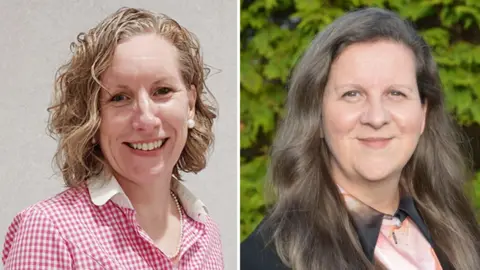 NHS Lothian & NHS Greater Glasgow and Clyde
Controversial 10% pay increases for bosses at two under-fire health boards have been suspended.
Executives at NHS Lothian and NHS Greater Glasgow and Clyde were handed temporary rises worth up to £20,000 per year for leading a planned shakeup of Scotland's health service.
But the move was criticised by unions who pointed out frontline NHS staff are regularly taking on more responsibility without extra pay.
Now Health Secretary Neil Gray has suspended the executives' pay hikes and ordered a full evaluation of their temporary roles.
The Scottish government wants the country's 14 health board to work closer together in the coming years to tackle longstanding problems like waiting times and treatment delays.
Ministers have said boards' geographical boundaries and accountabilities will remain, but they have been split into west and east subnational planning and delivery committees (SPDC) for the initiative.
The chief executives and chairpersons of NHS Lothian and NHS Greater Glasgow and Clyde are in charge of setting it up, but the 10% temporary pay increases they were given for doing this have now been put on hold.
The health secretary added: "We have worked hard to ensure an equitable approach to pay across the NHS.
"That is why I have asked health boards to suspend an additional pay supplement – pending full evaluation of these roles.
"It's important that these additional responsibilities are thoroughly and independently evaluated with full engagement with unions."
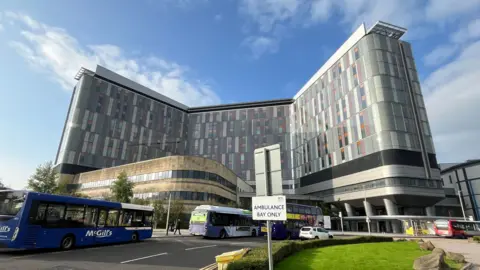
The latest NHS Greater Glasgow and Clyde accounts show its chief executive, Prof Jann Gardner, earns an annual salary of between £195,000 and £200,000.
The board's chairwoman Dr Lesley Thomson KC earns an annual salary of between £55,000 and £60,000.
The latest NHS Lothian accounts show its chief executive Prof Caroline Hiscox earns an annual salary of between £195,000 and £200,000.
Prof John Connaghan, the board's chairman, earns between £50,000 and £55,000.
The Scottish government has said Hiscox and Gardner will continue to lead the SPDC projects while their additional responsibilities are fully evaluated.
More appointments to the SPDC, such as medical and finance directors, are expected to be made from the ranks of existing health boards.
'Embarrassing climb down'
Unison's head of health, Matt McLaughlin, said: "Whilst we are pleased that government has binned these bonuses for bosses, it is an embarrassing climb down for Neil Gray and he still has a number of questions to answer such as who made the decision and why wasn't he consulted.
"This announcement doesn't wash away the significant damage to our trust and confidence in this exercise. The health department's handling of sub national planning has been a disaster.
"Neil Gray has two options: he either needs to relaunch this work with an entirely new leadership structure or pause it until after the May election and let a new government start afresh."
Colin Poolman, executive director at RCN Scotland, said the move was "absolutely the right thing to do".
He added: "We will work with the Scottish government and the health boards to ensure a fair, evidenced-based process but this must include a review of who is best placed to lead this subnational planning approach and provide clarity on what this approach means for staff."
