'Most people only encounter badgers with roadkill'

 RSPB
RSPBA charity which has built a wildlife hide said most of its visitors had only encountered badgers through roadkill.
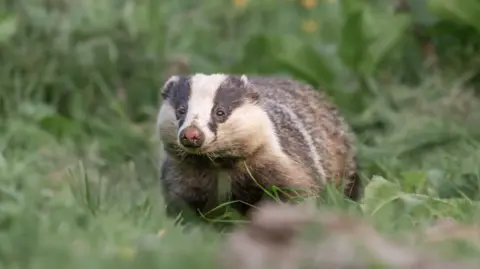
The RSPB said interest in badgers living metres from its hide at Wild Haweswater in the Lake District, Cumbria had "hugely grown" because visitors get the chance to get close-up to the UK's largest land predator.
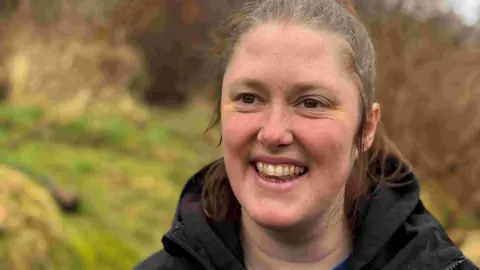
The site's manager, Annabel Rushton, said its "dedicated volunteers" had nurtured the hide, which has increased operating to five nights a week.
However, despite "beaming smiles" from people, Rushton said the majority of visitors had only ever seen badgers "dead at the side of the road".
They are protected under the Protection of Badgers Act 1992, in addition to other wildlife legislation, meaning it is an offence to kill, injure or take a badger.
While the animals are still culled in certain areas, the RSPCA says only those with a special licence from Natural England are permitted to cull them.
Rushton said "it was more important than ever to connect people to nature" because "the UK is sadly one of the most nature-depleted countries in the world".
Badger watching was introduced in 2019 at the site at Naddle Farm, which was once a traditional upland farm.
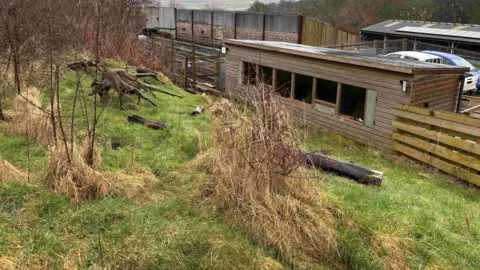
The hide, which opens for the year from next week, looks out across a field beneath a wooded slope where badgers have their sett.
Rushton said when they "first peeks out from the brambles, and then come shuffling", visitors "have the most big beaming smiles on their faces".
"It is absolutely magical to see people light up when they see their first ever badger," she said.
The RSPB said its "amazing" volunteers had helped the site go from a one-day per week experience raising its income from £4,000 to £15,500 a year.
