Volunteers to help rare wildflower by home growing

 Citizen Zoo
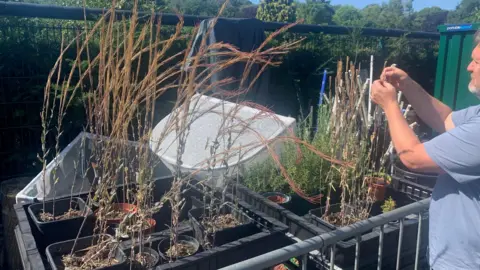
Volunteers across London are being enlisted to grow a threatened wildflower vital for bees, butterflies and rare moths, in an effort to stop one of the capital's rarest plants from disappearing.
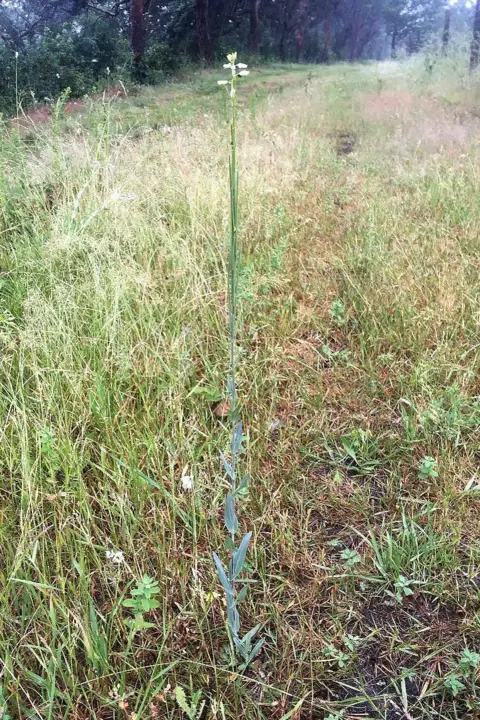
Conservation group Citizen Zoo launched the project to restore tower mustard, which is thought to survive at only two sites in the capital and about 30 in England.
Volunteers will cultivate the herb at home before it is replanted at locations across Greater London.
Charlotte Harris, nature conservation manager at Habitats & Heritage, which is working with Citizen Zoo, said: "We are looking forward to giving residents the unique opportunity to get hands-on in conserving one of London's rarest plants."
 Citizen Zoo
'Mission to rewild our city'
Once widespread, tower mustard is now classed as near threatened on the national 'red list' after sharp declines linked to habitat destruction and land‑management practices.
Elliot Newton, director of rewilding at Citizen Zoo, said: "The mission to rewild our city isn't something we can achieve alone."
He said the project needed "collaboration between conservation organisations, local authorities and local communities".
"By putting tower mustard in the spotlight and working together at scale, we can demonstrate how to bring a rare London species back from the brink," added Newton.
Citizen Zoo said volunteers would learn to grow the plant at home using seeds sourced from London's remaining population strongholds.
The charity Habitats & Heritage will run a training session in Twickenham on 14 March.
Participants will then join planting days in the autumn, with new plants set to be established at five sites across the species' historic London range.
The scheme builds on previous community‑led efforts by Citizen Zoo, including the "hop of hope" project, which saw volunteers rear large marsh grasshoppers at home before releasing them into Norfolk wetlands.
However, the tower mustard scheme is the organisation's first London conservation project focused on a plant species.
The programme is funded by the Mayor of London's Green Roots Fund and Thames Water.
Listen to the best of BBC Radio London on Sounds and follow BBC London on Facebook, X and Instagram. Send your story ideas to hello.bbclondon@bbc.co.uk
