Four Covid-era temporary courts made permanent

 Google
Four temporary courts set up during the Covid-19 pandemic will be made permanent in an effort to reduce a backlog in legal proceedings.
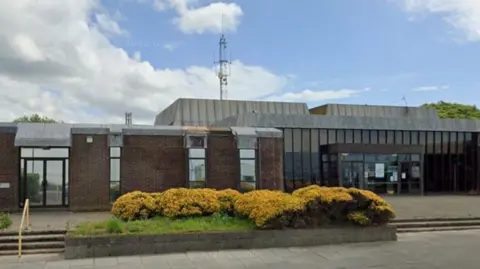
Buildings in Fleetwood, Telford, Chichester and Cirencester will provide an extra 11 courtrooms, the Ministry of Justice (MoJ) said.
Temporary Nightingale courts were introduced during the pandemic to provide additional space for hearings, but many were kept open for years.
Data published last month showed crown court backlogs in England and Wales had risen to a new record high of 80,000 cases, with trials listed as far ahead as 2030.
'Faster justice'
The courts in Fleetwood and Cirencester were was set up in former magistrates courts building, in Telford it was the ex-county court while in Chichester the Ministry of Justice (MOJ) uses the Chichester District Council building for certain types of court cases once a month.
MoJ projections suggest that, unless anything changes, the crown court backlog could reach 125,000 cases by the end of this parliament.
At its peak in July 2021, the Nightingale court initiative saw 60 temporary courtrooms operating in hotels, conference centres and office buildings - two courtrooms were even set up at Bolton Wanderers' football ground.
Courts Minister Sarah Sackman said the move marked the end of the Nightingale courts initiative.
"The permanent courtrooms, as part of our 'Plan for Change', will help deliver faster justice and give much-needed clarity to victims and the staff who serve them," she said.
The Law Society of England and Wales welcomed the decision, but said there must be enough judges, court staff and lawyers to work on the cases.
Listen to the best of BBC Radio Lancashire on Sounds and follow BBC Lancashire on Facebook, X and Instagram. You can also send story ideas via Whatsapp to 0808 100 2230.
