Manchester Pride confirms go-ahead after previous operator went bust

 Getty Images
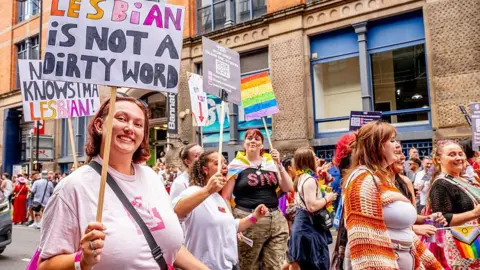
Manchester Pride will go ahead this year under new management, after the company previously running the event went bust.
The future of the celebration had looked uncertain after Manchester Pride Events LTD collapsed in October, owing more than £1m to suppliers and performers.
Manchester City Council have announced that a new not-for-profit community interest company (CIC), Manchester Village Pride, will take over running the four-day event.
The company, which will be run by volunteer directors, says the core elements of Pride will return, including the parade, village party and the annual vigil to those lost to HIV.
Venues in the area have loaned the new organisation £120,000 to support the planning and delivery of the event.
A spokesperson for Manchester Village Pride said it aims to "give back as much as possible to the community that Pride exists to serve – with every pound of profit supporting LGBTQ+ charities, grassroots organisations and community services."
As well as the main Manchester Pride event, there are plans to host a Pride Fringe featuring LGBTQ+ arts, culture and nightlife events.
The group are planning to introduce a Community Advisory Board made up of people from the LGBTQ+ community to ensure a range of perspectives are reflected in the planning of the event.
Manchester City Council will also hold engagement sessions with LGBTQ+ organisations and representatives in order to gather a range of views.
The council's deputy leader Cllr Garry Bridges said the council had "always been clear" that Pride should go ahead this year.
He said: "Pride is vital for Manchester, as a symbol of our welcoming and inclusive city, a chance to celebrate our LGBTQ+ communities and to highlight injustices which still exist."
Carl Austin-Behan, one of the founders of Manchester Village Pride CIC, said the move was "a chance to start again".
He added: "Bringing Pride home to the Village is about more than location.
"It is a commitment to responsibility: paying artists properly, funding community groups, supporting charities, protecting LGBTQ+ heritage, and building a sustainable future for Pride in Manchester."
The event will be the first in the UK to sign a union agreement with the performing arts and entertainment union Equity, after the collapse of the previous organisation left many performers unpaid.
Karen Lockney, an official at Equity, said it would "guarantee fair pay and professional industry standards for all performers".
She added: "We have consistently called for unionised terms and conditions for Pride, and this positive development will restore the trust of our members in the event.
"They can be confident they will be paid and treated fairly in future."
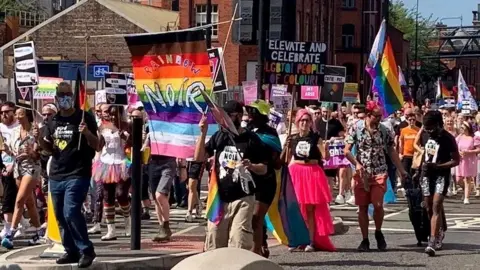
There had been uncertainty about the future of Manchester Pride, after the previous organisers collapsed in October, owing £1.3m to artists, venues and suppliers.
Over the past decade, Manchester Pride's previous organisers had attracted growing criticism from the community for raising ticket prices and for moving the main stage away from the city's Gay Village.
In 2021, trustees launched a review looking at whether the organisation was meeting its purposes and aims after it cut funding for various LGBTQ+ charities.
In the same year, it awarded its chief executive a £20,000 pay rise, leading to protests from members of the community.
In 2025, the event drew criticism from performers and ticket holders who said its relaunched entertainment programme, hosted mainly in a venue outside of the Gay Village, failed to attract the usual large crowds.
A statement from the former board of trustees said rising costs, declining ticket sales and its "ambitious refresh of the format" meant the organisation was no longer financially viable.
The move comes as Pride organisers up and down the country said they were experiencing a drop in corporate sponsors and volunteer numbers.
