Breastfeeding can be 'a dark and lonely place' for mums
A woman said she was left with no other option but to pay for breastfeeding support as midwives were too busy to help her.
Suzanna Vallely said, while women are told breastfeeding is the most "natural thing in the world", for those who find it difficult it can be "a dark and lonely place".
The mother-of-four said she was fortunate to be able to afford a lactation consultant who provided guidance on latching, positioning the baby, addressing pain and helping her daughter's weight gain.
Clare Livingstone from the Royal College of Midwives (RCM) said midwives are "committed to helping families get the best possible start" but UK maternity services "are under immense and sustained pressure".
According to the Department of Health, Northern Ireland has the lowest breastfeeding rates across the UK.
In July 2025, the Public Health Agency (PHA) said just over half (51.8%) of mothers in Northern Ireland are breastfeeding when they leave hospital, with that figure falling to 36.8% at six weeks.
In England, by way of comparison, more than half of mothers are breastfeeding their baby at six weeks.
Ms Vallely also paid for her baby to have tongue-tie surgery after she was told there was a waiting list.

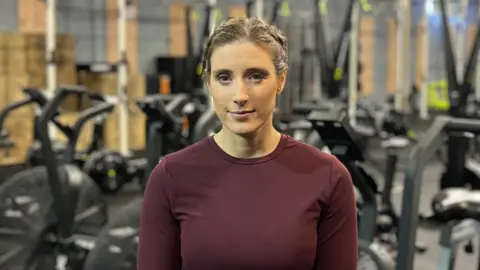
Deborah Rice, a spokesperson for the Breastival NI event, said while attitudes towards breastfeeding are changing for the better, mums are reliant on midwives who are overstretched which means women often give up.
"Breastfeeding is a skill that needs hands-on guidance and consistent follow up - mums need access to trained professionals but it's not always available," Ms Rice said.
"Though we are seeing good strides in attitude and support there is still a long way to go."
A breastfeeding strategy in 2024 concluded that a "considerable amount of progress" was being made to promote, support and normalise breastfeeding, but increasing rates remained a challenge in NI.
'Support is down to luck'
 Suzanna Vallely
Ms Vallely said she suffered mentally and physically after the birth of her fourth child, and that can lead to post-natal depression and feelings of anxiety.
"I think it is a mixed bag of help that is available, my health visitor was unbelievably helpful in other areas but when it comes to breastfeeding support it is very much down to luck who you get and what time they have to help you," she told BBC News NI.
"Even with my fourth baby they expected me to know what I was doing but there were problems and they moved on to help a first time mum instead."
Finding confidence in the gym
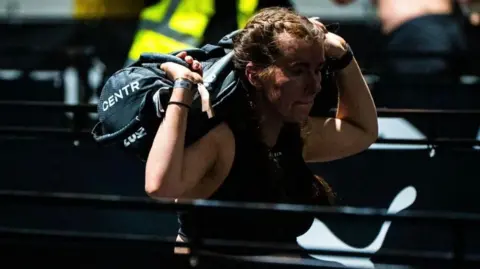 Ciarán Watts
Ms Vallely joined a gym in Bessbrook that supports breastfeeding mums and said it has helped her regain her strength and her confidence.
The gym encourages women to train alongside their babies where they can breastfeed or express milk any time during gym sessions.
"Supporting women to work out can help with mental health issues. It is a positive environment and getting the support to do all of this has been brilliant," she said.
After joining the gym, Suzanna took part in a Hyrox competition.
Navigating a new life
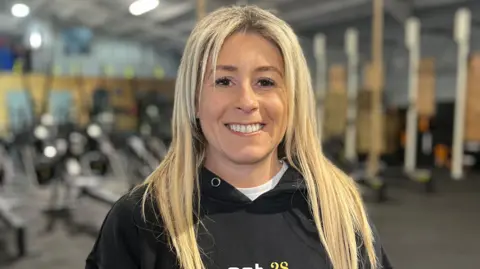
Personal trainer Natasha Daryaie who runs "babes and babies" classes said women are keen to regain their fitness while breastfeeding.
She said providing areas where women feel comfortable and mix with other women is crucial after having a baby.
"It is so important as breastfeeding can be the loneliest time even if you have support at home," she told BBC News NI.
"Mums need to be supported both physically and mentally.
"You are trying to navigate your new identity, trying to get fit again, so being able to breastfeed in a gym can be your safe space and also meet other mums in a similar position," Natasha added.
'Chronic staff shortages'
In a statement Ms Livingstone, head of professional policy and practice at the RCM, said that due to chronic staff shortages midwives are caring for "too many woman at once".
She said this "can limit the time they are able to spend providing the individual, skilled support that breastfeeding can require".
"This is not a reflection of midwives' skill or dedication but of a system which urgently needs investment," she said.
"Women deserve time, continuity and personalised support, and midwives need safe staffing levels and proper resources to be able to deliver this."
NI breastfeeding 'steadily rising'
Catherine Magennis, a nurse consultant and breastfeeding lead at the Public Health Agency (PHA), said breastfeeding rates in Northern Ireland are "lower than we would like them to be".
"I think it's important to note that they have been steadily rising over the last 10 years and our hope is that that will continue," she told BBC Radio Ulster's Evening Extra programme.
"We had a breastfeeding strategy in in place for between 2013 and 2023, which has now ended and we're moving to develop a new action plan to continue the work around supporting breastfeeding."
'Women blame themselves'
Dr Nigel Rollins, Professor of Maternal Child's Health at Queen's University Belfast, said in his experience women want to breastfeed and start but then something goes wrong.
"Women who reluctantly give formula often do so as there isn't enough skilled support available to help them," Dr Rollins said.
Dr Rollins, who was a maternal health expert at the World Health Organisation, said women often go through a real sense of regret and disappointment where they take on the full responsibility of not being able to breastfeed.
"What they don't see is that they've been let down by society, by parts of the health system or that they've been given a mixed message that formula milk is no different.
"Women tell themselves they are the ones at fault, they feel guilt and shame and disappointment and that can sit with them for life."
Ms Vallely said she believes breastfeeding is giving her children the best start in life.
"There are the nutritional benefits but also I like it for connecting with the baby – it has been at times difficult but overall a wonderful journey," she added.
