Barristers' strike 'devastating' for crime victims

 Niall Carson/PA Wire
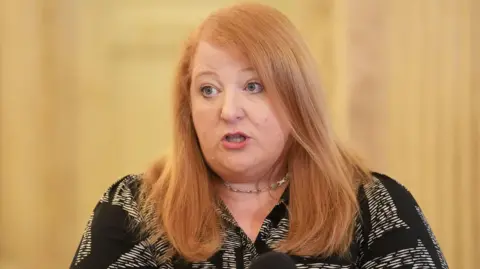
An indefinite strike by barristers in Northern Ireland will have a "devastating impact on the justice system, particularly for victims", Justice Minister Naomi Long has said.
The strike, which began on Monday, means that no crown court cases involving people who require legal aid can proceed while the dispute continues.
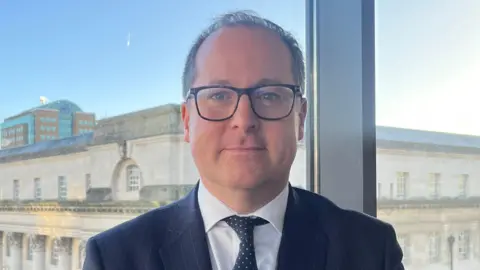
The chair of the Bar Council of Northern Ireland, Donal Lunny KC, said the strike was called because crown court legal aid fees have not risen in 20 years.
But the minister said a 16% fee increase is "due to be paid to bank accounts from this week" and she claimed the strike was unnecessary.
However, Lunny said that current legal aid fees are "worth less than half what they were worth in 2005 when they were set".
He claimed many barristers and solicitors firms are now avoiding criminal cases due to low rates of pay, which meant a that a "crisis" had developed in the legal system.
Lunny said barristers want a settlement which addresses the last 10 years of inflation which "would require the fees to go up by 30-something percent".
The dispute is affecting some of the most high-profile legal cases in Northern Ireland, including murder trials.
Last month, the family of murder victim Natalie McNally said they were in "limbo" after being warned the trial could be delayed by industrial action by barristers.
She was 15 weeks pregnant when she was killed in her Lurgan home in December 2022.
The man accused of her murder denies the charge and his trial was due to begin this month.
Ms McNally's brother, Declan McNally, said at the time that finding out the trial would be delayed had been "re-traumatising" for his family.
Domestic and sexual violence cases delayed
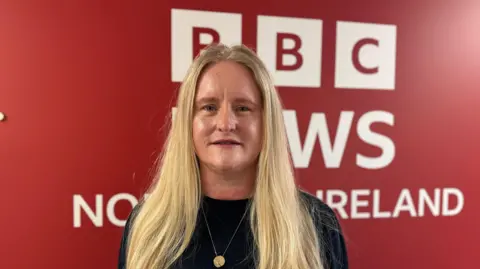
The Victims of Crime Commissioner Designate, Geraldine Hanna, said she had been informed before Christmas that the barristers' dispute would delay 94 cases which were due to be listed in January.
"Three of those cases were murder cases, half of them were domestic and sexual violence, five of them were hate crime cases," she told the BBC's Nolan Show.
The commissioner designate said the people involved were "extremely vulnerable" and many had already been affected by adjournments and previous industrial action.
Hanna said further delays as a result of the strike would have a particular impact on children caught up in the criminal justice system.
"We know how a wait feels for an adult. For children, you're talking three, four, five years of their lives that are basically on hold, waiting for these cases to come.
"You've children who reported crime as teenagers who become adults during that time, so these are additional delays to those individuals."
Hanna said she agreed barristers should be "fairly remunerated for the work they do" but she was particularly critical of the indefinite nature of the strike.
"What can we tell victims to expect? How long are they going to have to wait in addition to how long they have already waited?" she asked.
"I don't believe that bringing down the whole system is the answer to this."
Rape Crisis Northern Ireland said it was "deeply concerned about the ongoing delays to criminal trials" as a result of the strike.
"Delays to justice can have a profound impact on survivors as so much of their lives become centred around this system," said its Service Manager, Olivia Turley.
She said the delays would further undermine their engagement with the justice system and have "serious consequences for their mental health and recovery".
'It's very much a last resort'
 Claudia Savage/PA Wire
The strike has been called by the Criminal Bar Association (CBA) which has 193 members.
A large majority (89%) of them voted in favour of a full withdrawal of crown court services, marking an escalation in the long-running dispute.
The Bar Council chair said young barristers "are not interested in doing crown court work because the pay is so poor, so you have an ever dwindling cohort of older barristers doing that work".
Lunny added that the decision to go on strike was part of an "incremental series of steps" that the CBA has taken since 2024.
"It's very much a last resort," he said.
"It's a step that hasn't been taken lightly but it's a step that's been necessary because we don't feel that the department are tackling the crisis with either the urgency or the pragmatism that's required."
Lunny insisted that the ball was now in the department's court and added that withdrawal of services "will persist until the matter is resolved".
The justice minister said she was "profoundly disappointed and frustrated" by the CBA members' decision to withdraw from all legal aid crown court cases.
"This unnecessary action will not achieve anything or advance the arguments of the CBA membership," Long added.
"However, it will have a devastating impact on the justice system, in particular for victims and witnesses."
She pointed out that the 16% uplift, backdated to December 2024, meant an additional £6m would be paid out in legal aid fees from this week.
The minister added she was committed to developing a "sustainable legal aid structure" in the long term and claimed talks had been making progress when the strike was called.
"I cannot reconcile the CBA decision to inflict further trauma and stress on victims to advance their arguments for further increases to remuneration," Long said.
She added her department would "continue working with stakeholders to minimise the harm and trauma that will result from the unnecessary decision by the CBA".
In a statement, the Public Prosecution Service (PPS) and said its staff and the independent barristers who work on its behalf are not involved in the strike.
However, it explained that "the majority of trials will be unable to proceed without defence representation".
The PPS added that it was trying to "provide as much clarity as possible to victims, where we can".
"Our Victim and Witness Care Unit Team have contacted victims and witnesses involved in cases which we now expect to be adjourned as a result of the strike."
