The power and beauty of data visualisation in science

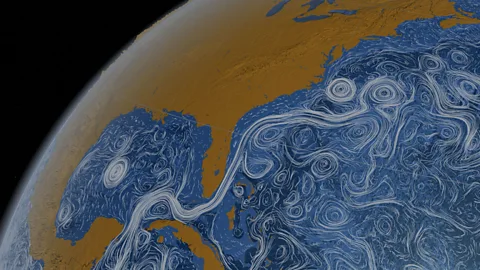
Graphs, charts and other data visualisations have changed the way we see, interpret and understand the world around us.
An exhibition at the British Library in London reveals the importance that visualising data has had on the scientific process – from 19th Century ship logs that still influence climate science, to models used to forecast the 2009 influenza pandemic.
These images not only aid scientific progress, but also help to change the world. When Florence Nightingale demonstrated that more soldiers in the Crimean War died in hospitals from preventable epidemic diseases than on the battlefield she helped to save countless lives, a legacy that continues today.
If ever there was an image with the power to alter the world forever it’s John Snow’s map of cholera spread in London. His map of outbreaks in 19th Century London showed that cases were clustered around a water pump, thanks to contamination from germs (then a new idea). This changed the way we saw a disease; and the British celebrate Snow’s achievements in perhaps the best way they know how – by having a pub named after him near the site.
[Disclosure: the exhibition features infographics from Future contributors David Spiegelhalter and David McCandless from Information is Beautiful]
To see our full gallery of infographics – from a timeline of the far far future, to all of Doctor Who’s journeys, click here.
