The problem with super stars

 Alamy
AlamyBig personalities draw attention, ratings, and revenue. It doesn't matter whether it’s the world of entertainment, sport, fashion, or any other kind of business, charismatic personalities can be a real boon. But what happens if something goes wrong?
What happens if the person who has been so valuable to the company crosses an ethical line, behaves in a way that brings disrepute to the organisation, or acts in an inappropriate way? And what role does a company board play in such a situation?
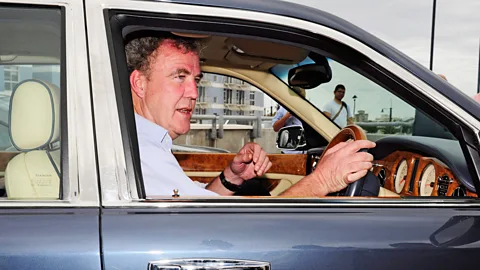
There have been several recent example of this in the media and entertainment world. Take Brian Williams, the anchor and managing editor of NBC Nightly News in the US or Jeremy Clarkson, the now former co-presenter of the BBC show Top Gear — powerful and charismatic people who have brought creativity and recognition to their organisation. But Williams recently stepped aside after apologising to a group of Iraq war veterans for exaggerating the danger he and an NBC News crew faced while covering the start of the war in 2003. Clarkson was dismissed after allegedly physically assaulting a colleague, and there had been prior issues and complaints about his insensitivity in years prior.
The companies that employ high-profile stars who’ve gone astray have to think hard not only about what to do in each case, but also how they act as organisations full of talented and creative people with their own individual fan-base and following.
Sometimes the public expects the board to act — there is a belief that dealing with high-profile cases should be the responsibility of the board. Sometimes they are right, but perhaps not in the way that might be assumed.
To step back for a moment, it is important to remember the role of the board is one I term "hands on but not hands in." That is to say board members, and more specifically the independent directors, are not company executives and their role is not to run the company on a day-to-day basis.
Boards can ask questions and help set direction and company policy, but, except in the most extreme situations or those that deal with the most senior management team, we cannot march in and take over a human resource situation. We cannot interfere in hiring and firing where a process and professionals are in place to do that job.
Rapid response
The role of boards falls broadly into two categories. The first is reactive: what the company does when something has gone wrong and it needs to respond. The second is pre-emptive: what the company does to ensure any problems are spotted early and dealt with decisively (so they don’t escalate into an emergency, if that can be helped).
Often by the time these issues reach board level it is because the situation has escalated and become extremely serious, potentially harming the reputation of the company.
At the point a board hears about an issue as serious as the alleged sexual assault of the Jian Ghomeshi case — the former Canadian Broadcasting Corporation radio host who faces five charges of sexual assault and one of choking in connection — for example, the news will have worked its way through several layers of human resources or hit headlines already. The board can make sure policies are being strictly enforced, and in a timely manner.
In this type of situation the board is in reactive mode, where there are decisions to made about whether there is a proper process of investigation, if someone needs to be fired and if so, if that dismissal requires board approval. The board can also put pressure on the executives by asking hard questions to make sure the issue is being investigated and viewed in an objective manner.
On the flipside, there is much more that the board can do in the pre-emptive or proactive category.
Boards can ask for a review of human resource policies to make sure the written policies are clear and unequivocal. We can also make sure to understand the path of reporting — that is the step by step process of how issues are reported and dealt within the organisation. Boards can also ensure there is a clear process for reporting, so if someone within the organisation feels their concerns are not dealt with appropriately, there is a means of reporting it up the chain.
But processes and procedures are only as good as the way they play out in real situations. Boards must make sure that these processes are seen as living and breathing the values of the company and are seen being enforced. Managers need to know that they will be held to account if unacceptable behaviour is swept under the rug.
By ensuring that clear policies are in place, and that they are enforced, the board makes sure that everyone in the company knows that they are not just window dressing. Good fences make good neighbours and clear policies that set strong standards of behaviour means everyone is aware of expected behaviour and the consequences of not acting appropriately.
Wise directors use high profile cases like these as an opportunity to ask hard questions in their own boardrooms. In any boardroom of a company with high profile talent, members are enquiring what policies are in place to make sure that small infractions don’t lead to big ones and that companies are not letting bad behaviour slide because they value revenue over an ethical workplace.
One other thing to note: although boards don’t see these cases presented to them until they have reached an urgent level, we still need to keep our fingers on the pulse of what’s going on. There will often be whispers of things and engaged board members will have an ear to the ground and pick up on them. Raising issues about specific cases that we have heard about can be done informally, and can help to ensure that cases are addressed in a timely manner.
Organisations need charismatic and creative individuals with a personal brand. However, we cannot need them so much that we let the values of the organisation slide so that they are living by a different set of rules.
Should the lines be crossed, the repercussions must be clear and acted upon, even if it means letting go of someone who is also worth a great deal to the company. In the long term, failing to act can cause a great deal of harm.
Lucy Marcus is an award winning writer, board chair and non-executive director of several organisations. She is also the CEO of Marcus Venture Consulting. Don’t miss another Above Board column by subscribing here. You can also follow Lucy on Twitter @lucymarcus.
To comment on this story or anything else you have seen on BBC Capital, please head over to ourFacebook page or message us on Twitter.