Tourism in Morocco is booming – except here

 Getty Images
Visitor numbers to Morocco are surging, but not in the nation's sleepy, seaside capital. Here's why the newly minted 2026 Unesco World Book Capital is worth a second look.
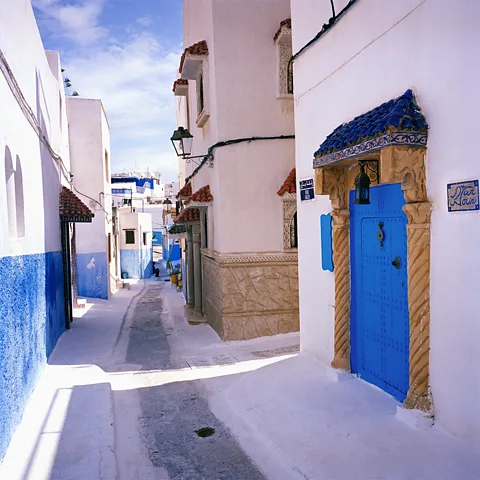
Strolling through the crowd-free lanes in Rabat's old medina is a sharp contrast to navigating the narrow, labyrinthine streets swarming with tourists in Marrakesh. Here, it's so calm that you can hear waves from the Atlantic that rhythmically lap against the nearby shoreline. Swaying palm trees and towering stone minarets poke their heads above the Moorish arches, adding a pop of color to the spotlessly clean whitewashed alleyways.
"The first thing you notice [in Rabat's medina] isn't just what's here, but also what's missing," says Farah Cherif D'Ouezzan, founder and director of Rabat's Center for Cross-Cultural Learning. "It is almost too quiet, as locals simply go about their day with no grabby shopkeepers, loud moped horns or oppressively crowded alleyways."
Tourism in Morocco is booming. In 2023 the nation set out on an ambitious goal to double its number of international visitors to 26 million by 2030 when it co-hosts the FIFA World Cup. In 2025, nearly 20 million visitors descended on the North African nation. But while destinations like Marrakesh have seen a 40% year-over-year surge in overnight stays, visitor numbers to Rabat remain relatively flat at just 3%. Despite being Morocco's political and cultural capital, this fortified Unesco-inscribed city has yet to generate the same buzz. But that may be about to change.
 Getty Images
In late 2025, Unesco named Rabat its 2026 World Book Capital to honour its long literary heritage. Home to 54 publishing houses, a slew of historic libraries, indie bookshops and one of the largest book fairs on the continent, the city is launching a year-long celebration with book events, writing workshops and reading marathons – giving bookish travellers another reason to visit this calm, off-the-beaten-path capital.
"It has everything you would expect from a capital with modern infrastructure, cleanliness and a rich mix of history," says Redouane El Mouatasim, Intrepid Travel's general manager for Morocco. "Investments in public transit, including expanded inner-city trams, taxis and high-speed train access linking Casablanca and Tangier, are also making it easier for travellers to visit."
D'Ouezzan says Rabat's languid feel and lack of twisting alleyways or pushy vendors may also appeal to travellers. "You can actually wander the streets without fear of getting lost," she says. "And even if you do, a quick turn or two and you're back on track."
Past meets present
This sense of calm defines Rabat. It started as a ribat (fortified monastery) under the 12th-Century Almohad Empire and later became a centre of Islamic learning. The city's strategic importance along the Atlantic coast lured the Moriscos (exiled Muslims from Spain) to settle here in the early 17th Century. As skilled artisans, traders and shipbuilders, the Moriscos facilitated trade and diplomacy with Europe and transformed Rabat into a flourishing international city.
 Getty Images
Rabat was chosen as Morocco's capital in 1912 when it was under French colonial rule, and the French set out on an ambitious urban planning programme that differentiates the capital from other Moroccan cities. While preserving the ancient medina, they constructed an entirely new European-style Ville Nouvelle (New City) alongside it, complete with broad tree-lined boulevards, communal gardens and an orderly grid-like system of streets.
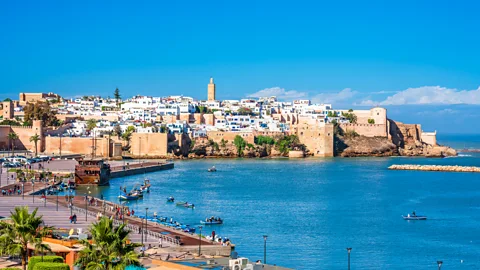
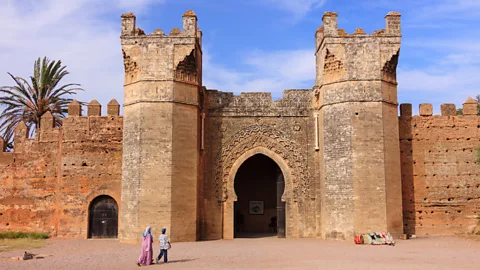
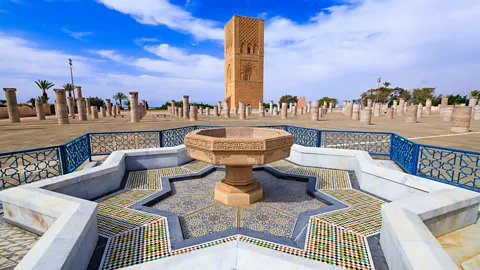
Today, these adjacent districts reveal how Rabat's past mixes with its present. Near the medina, historic landmarks like the Chellah necropolis (built atop 1st-Century Roman ruins), the 12th-Century clifftop Kasbah of the Udayas fortress (with panoramic ocean views) and the French-created Andalusian Gardens nod to the city's deeply layered past. In the New City and surrounding areas, the 44m-tall Hassan Tower and nearby Mausoleum of Mohammed V (who led Morocco to independence) are symbols of national pride. Elsewhere, the Mohammad VI Museum of Modern Contemporary Art features the work of more than 200 modern Moroccan artists, and is the first museum in Africa powered by solar energy.
Where to stay
For years, accommodations in Rabat were limited. Recent openings include the Four Seasons Hotel Rabat At Kasr Al Bahr, located in a restored 18th-Century palace with oceanfront views, and the Ritz-Carlton Rabat, Dar Es Salam, in a 440-acre lush palm grove adjacent to the Royal Golf Dar Es Salam.
"You can feel centuries of history in our streets, monuments and museums, all while enjoying the cool ocean breeze and the city's surprisingly green vibe," says D'Ouezzan.
More like this:
• A technicolour visit to Morocco's holiest town
• Morocco's new cross-country cycling route
• The French village dedicated to books
Dutch photographer Leonie Zaytoune, who lives in Marrakesh with her Moroccan husband and young son, recalls being surprised by the city's orderliness. "I never really paid attention to Rabat until I had to visit the Dutch Embassy there and was shocked at how walkable it was – even with a stroller," she says. "You can wander along the picturesque Corniche (riverwalk) Bouregreg, admiring the white-and-blue houses, visit the fragrant Andalusian Gardens or enjoy a refreshing mint tea and traditional almond cookies in Café des Oudayas with a view of the ocean."
 Getty Images
Books and bites
Rabat's food scene is marked by its fresh, seasonal seafood. In the medina, shopkeepers sell take-with-you bites like maakouda (fluffy potato patties) with freshly grilled sardines and rziza (a stringy bread that unravels like a turban, served with honey). If you meander along the whitewashed buildings, aromas from clay tagines filled with fresh clams guide you to small food stalls serving midday meals like seafood chermoula (a North African marinade made with herbs, garlic, lemon juice and spices).
D'Ouezzan recommends visitors try Rabat's version of the traditional pastilla (sweet and savory pie typically stuffed with pigeon meat or chicken) made with fresh seafood. "[It] brings the flavours of the sea to a traditional Moroccan dish," she says.
2026 World Book Capital events
In April 2026, Rabat will officially begin its year as Unesco World Book Capital, with an opening ceremony planned during the city's International Book Fair (1-10 May). Subsequent events like public readings, mobile libraries and literacy drives are expected throughout the year.
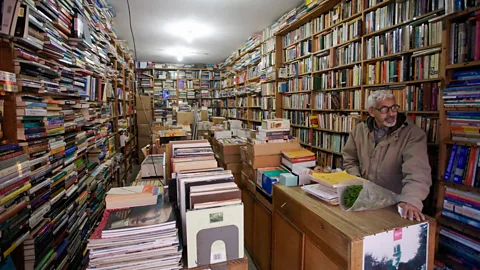
Beyond the literary-themed Unesco celebrations, travellers will find small, independently owned bookshops like Bouquiniste and Bab El Had. Inside Bouquiniste El Azizi, owner Mohammed Aziz has been selling books in dozens of languages for the past 43 years and always draws a crowd eager to browse his floor-to-ceiling-stacked titles. Institutions like the National Library of the Kingdom of Morocco, National Archives of Morocco and the French Institute of Rabat host public lectures, book launches, author talks and programming that promotes a reading culture, especially for women and children.
Still, D'Ouezzan feels that Rabat is unlikely to be overrun by tourists. "This is not because it lacks appeal, but because its vibe is fundamentally different," she says. El Mouatasim also notes that Rabat's slower, deliberate pace of life may appeal to visitors who value a more unhurried travel experience.
 Getty Images
As Zaytoune says, "Rabat has the charm of Morocco without the chaos or frenzy of Marrakesh, and you can still feel the allure of Africa in every corner, every street and every meal at a pace that is refreshing and relaxing."
--
If you liked this story, sign up for The Essential List newsletter – a handpicked selection of features, videos and can't-miss news, delivered to your inbox twice a week.
For more Travel stories from the BBC, follow us on Facebook and Instagram.
