Fine for Northamptonshire fly-tippers rises to £1k
 @khandiephoto
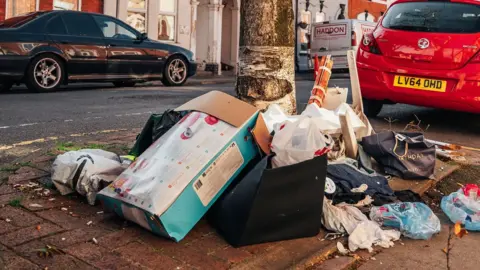
The highest penalty for fly-tipping in part of a county is now £1,000, up from £400.
West Northamptonshire Council (WNC) said the maximum penalty for anyone who dropped litter or painted graffiti had also risen to £500, up from £150.
The government increased the maximum amounts councils could charge for environmental crimes last summer.
WNC said clearing up after offenders caused a "significant financial burden".
 West Northamptonshire Council
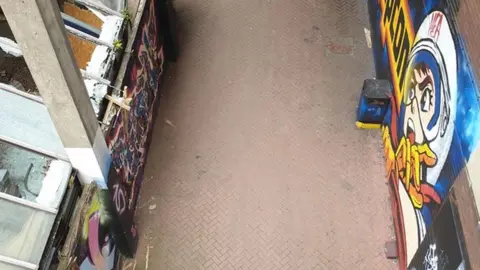
WNC is one of many councils that decided to introduce the new maximum levels for fixed penalties.
It also brought in a new £600 limit for people who failed to ensure that waste was only removed by a registered waste carrier.
The previous penalty was £400.
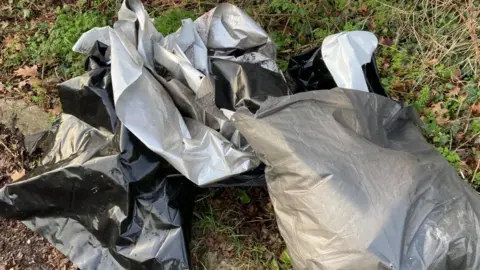
Last year, graffiti and other vandalism led to the closure of a much-used walkway in Northampton town centre known as Emporium Way.
David Smith, WNC's cabinet member for community safety, said: "Fly-tipping and other environmental crimes are unacceptable and impact every one of us in our communities.
"They spoil our streets, parks and open spaces, create an environmental hazard, and the clean-up costs and work involved to remove waste places a significant financial burden both on our council and on private landowners.
"Through the hard work of our environmental crime team, we have made a head start on creating a cleaner community for everyone and the increased penalty for these crimes further supports our commitment to tackling this."
The Department for Environment Food & Rural Affairs previously said it allowed local authorities to increase the maximum fines to "help equip councils with everything they need and strengthen their arm" to "clamp down on these crimes and build stronger communities".

Follow East of England news on Facebook, Instagram and X. Got a story? Email eastofenglandnews@bbc.co.uk or WhatsApp 0800 169 1830
