Yorkshire toad charity gets £250,000 funding boost

 Cheryl Frost
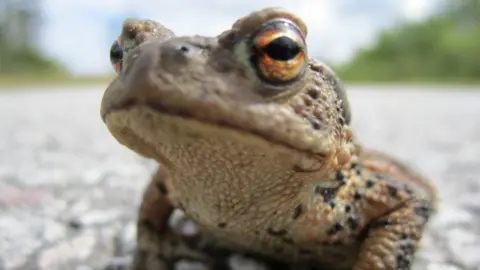
A project to protect toads has been given the chance to make a giant leap thanks to nearly £250,000 of funding.
Yorkshire Tails of Amphibian Discovery - or TOAD - has been awarded the money as part of the government's Green Recovery Challenge Fund.
The Froglife charity, which runs TOAD, says common toads face extinction within 10 years if they continue to decline at their present rate.
Froglife says it aims to use the cash to protect and create toad habitats.
The funding will run until March 2022.
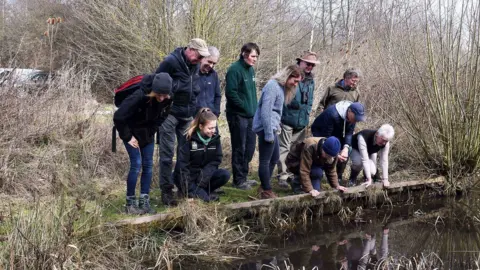
The charity says the £247,800 will be used to work in partnership with council landowners to preserve and create 22 wildlife sites in Wakefield, Kirklees, Leeds, York and Calderdale.
 Froglife
That will include the creation of 32 new ponds, preserving another 22, planting five wildflower meadows and installing a dipping platform.
The money, from the National Lottery Heritage Fund in partnership with Natural England and the Environment Agency, will also be used to improve Yorkshire's "Toad Patrol" sites to prevent the creatures dying on the roads.
More than 600 volunteers will also be trained in habitat management, according to Froglife.
Kathy Wormald, CEO of Froglife, said members were "very excited" at the new funding for the charity's work in Yorkshire.
"At other sites where we've made habitat improvements, we've witnessed an increase in common toad populations," she added.
Environment Minister Rebecca Pow said Yorkshire TOAD and other similar projects receiving funding were "a vital part of helping us to build back greener from coronavirus".

Follow BBC Yorkshire on Facebook, Twitter and Instagram. Send your story ideas to yorkslincs.news@bbc.co.uk or send video here.
