Orchestra provides 'musical home' for Bristol refugees

 BBC
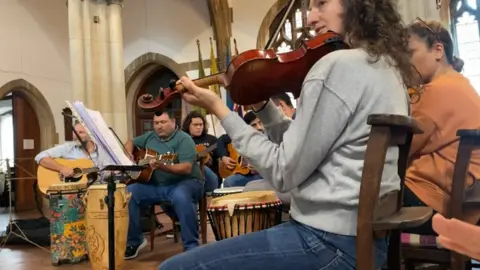
BBCAn orchestra made of refugees from all over the world has had its first big performance.
The Dovetail Orchestra opened its doors to Bristol-based asylum-seekers and refugees last autumn.
Since then they have been meeting every week to make music together and they had their first big gig in the St George's concert hall in June.
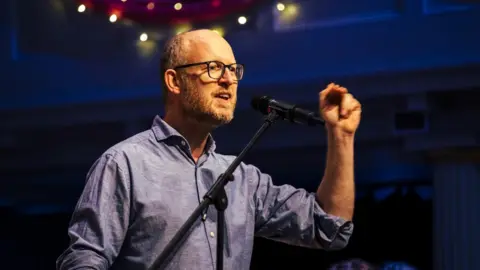
Founder Jon James said: "We're trying to provide a musical sanctuary and home."
 Jonathan James
"That feels meaningful because some of our members come from a very traumatic past," Mr James added.
"There are some real stories of challenge that they need to get over.
"I think music is about allowing people to enter a space of memory, of connecting with other and of joy."
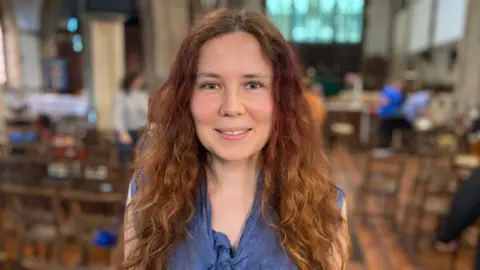
Krystyna, from Ukraine, has been with the orchestra for the past four months.
"For me, it's healing, it's like musical therapy," she said. "I can enjoy it and be in the present moment."
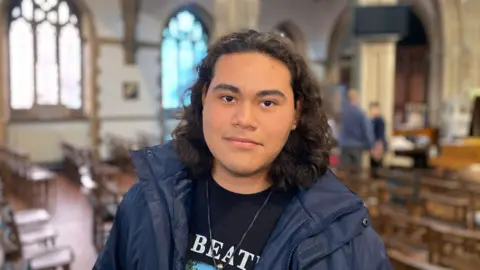
Diego from El Salvador said he was oppressed in his home country, and coming to the UK "opened his eyes".
"When I got here, I realised how big the world is. I got a chance to build bridges and walk those bridges," he said.
"It's not just a group you play gigs with, you get to be a family," he added about the orchestra.
"I think magic is a small word to describe it."

Follow BBC West on Facebook, Twitter and Instagram. Send your story ideas to: bristol@bbc.co.uk