Should people in the South back a social media ban for under-16s?

 Getty Images
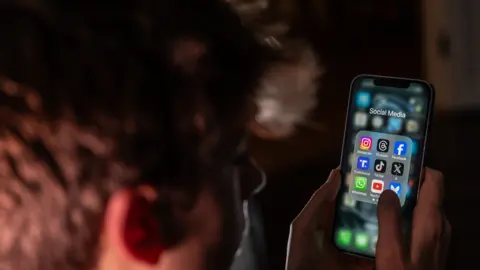
This week, the government launched a consultation on whether to ban under-16s from using social media.
The move follows the world's first nationwide ban for young people in Australia, which prompted debate - and similar proposals - in countries including the UK.
We have asked politicians and organisations in the south of England for their opinions and looked at how a ban could work.
Who supports a ban?
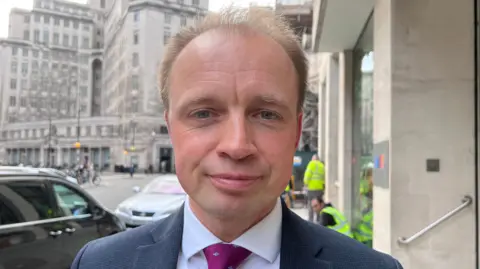
This week, 61 Labour MPs called on the prime minister to impose a ban on under-16s.
In an open letter to Sir Keir Starmer on Sunday, the MPs said "successive governments" had not done enough to protect young people from "unregulated, addictive social media platforms".
The letter was signed by MPs across the south, including Southampton Itchen MP Dr Darren Paffey, Banbury MP Sean Woodcock and Earley and Woodley MP Yuan Yang.
Speaking to BBC Radio Solent, Paffey said it was "high time to take action" on the issue.
He continued: "Children are being drawn into a world that's doing them more harm than good."
Banbury MP Woodcock said a number of constituents had contacted him in support of the ban.
"I understand the concerns behind these calls and acknowledge the unique challenges young people face in the digital age," he said. "Protecting our children must be a priority."
Conservative leader Kemi Badenoch said she would introduce a ban if her party got back into government, while the Liberal Democrats have suggested introducing film-style age ratings, meaning some social media platforms would be restricted based on the type of content they were showing.
The mother of murdered teenager Brianna Ghey has also supported a ban and, in a letter seen by the BBC, Esther Ghey said: "Some argue that vulnerable children need access to social media to find their community.
"As the parent of an extremely vulnerable and trans child, I strongly disagree.
"In Brianna's case, social media limited her ability to engage in real-world social interactions. She had real friends, but she chose to live online instead."
Who opposes a ban?
A coalition of 42 children's charities including the NSPCC and Childnet are among those to argue that a ban would be the "wrong solution".
They wrote: "It would create a false sense of safety that would see children - but also the threats to them - migrate to other areas online.
"Though well-intentioned, blanket bans on social media would fail to deliver the improvement in children's safety and wellbeing that they so urgently need."
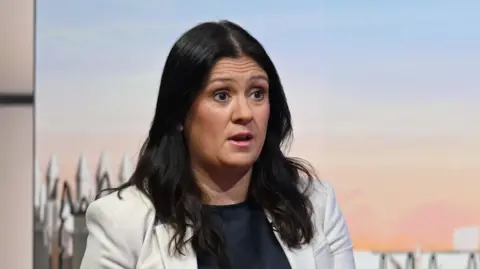
Culture Secretary Lisa Nandy raised concerns about whether a ban "pushes children to darker, less regulated places on the internet".
Andy Phippen is a professor of digital rights at Bournemouth University and specialises in online safety and the ethical implications of technology in society.
Speaking to BBC Radio Dorset, he said: "I think sometimes adults have a tendency to think for children.
"I've spoken to a lot of young people over the years, and they basically say they want to be in touch with their friends and family.
"Obviously, digital platforms provide interesting ways of doing that."
He suggested the number of children actually exposed to harmful content was limited and claimed banning social media would remove a lifeline for children.
Phippen added: "If we think about lockdown, can we imagine how awful that would have been for young people without the means to communicate with their friends online?"
How would a social media ban work?
Nothing has been decided, but the government has several options if it decided to move forward with a ban.
They include a blanket ban for all under-16s, a partial ban on selected platforms or a scheme that limits usage to specific times of the day.
Social media companies would be compelled to use age checks to stop under-16s from using their platforms or limit their usage.
Any ban would require the government to define which social media platforms are included and would likely involve financial penalties for companies that breach the rules.
Prime Minister Sir Keir Starmer has said that "all options are on the table".
How does it work in Australia?
 Getty Images
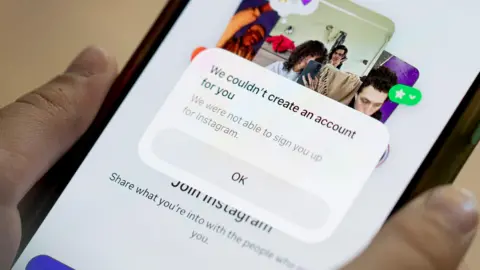
Australia launched a social media ban in December 2025.
Their rules mean social media companies have to stop children under 16 from having their own accounts on their platforms.
The ban includes apps like Instagram, TikTok, Facebook, YouTube, Snapchat, Twitch and X.
Companies can be fined if they do not take reasonable steps to check ages and remove accounts set up by under-16s.
The ban is still in its early days, but the prime minister said Britain was "watching Australia with interest" to see how their new rules work.
What rules does the UK currently have?
The Online Safety Act was introduced by the Conservatives and its rules have been introduced in stages since 2024.
The act requires social media companies to provide age-appropriate experiences and protect children from harmful content.
This includes mandatory age verification for adult content and social media platforms, removing harmful content once identified and providing reporting and support tools.
Many social media platforms - including Facebook, X, TikTok, and Instagram - set a minimum age of 13 in their terms of service.
You can follow BBC Hampshire & Isle of Wight on Facebook, X (Twitter), or Instagram.