'I was secretly filmed with smart glasses and then trolled online'

 Georgia Poncia/BBC
Smart glasses, billed as the future of wearable technology, are having a resurgence. But there are concerns these products are being used to harm, humiliate, and infringe on the privacy of women.
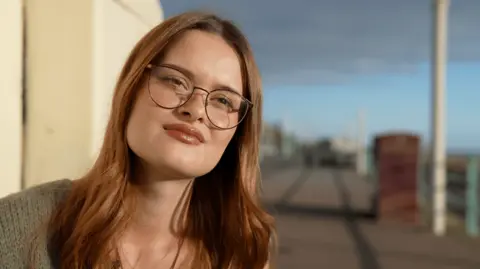
Oonagh says she was filmed by a man using smart glasses, which have inbuilt cameras, without her knowledge or consent. The video was then posted on social media, getting about a million views and hundreds of comments - many of them sexually explicit and derogatory.
"I had no idea it was happening to me, I didn't consent to that being posted, I didn't consent to being secretly filmed," Oonagh said.
"It really freaked me out - it made me feel afraid to go out in public."
After sunbathing on the beach in Brighton last June, Oonagh says she was approached by a man wearing sunglasses.
He asked her name, where she was from and whether he could have her number.
She politely declined, saying that she had a boyfriend.
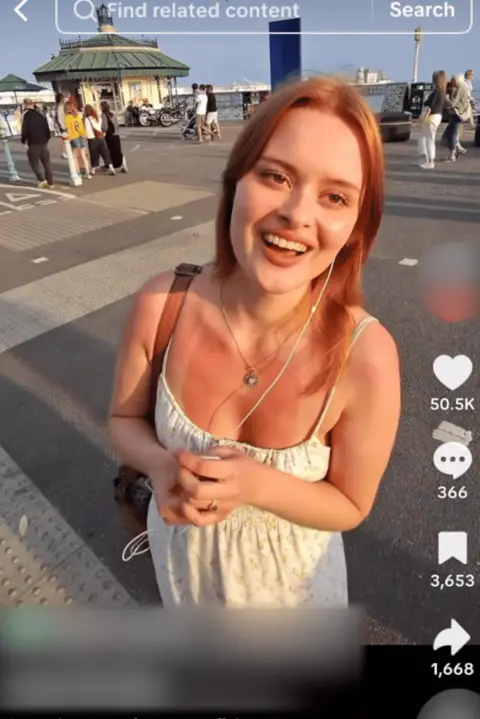
A few weeks later, she was sent a video on TikTok. It was a recording of the interaction she had had with the man, filmed from his perspective. She realised he had been filming her with his glasses.
Smart glasses enable the wearer to access information and apps similar to those on a smart phone including using maps, listening to music, and recording video.
 TikTok
As Oonagh watched the video getting more and more views, she said she had a "panicked feeling".
She said as well as the video revealing that she lived in Brighton the comments were full of abusive posts.
"It was so out of my control, which was the scary part for me."
She reported the incident to Sussex Police, but was told there was nothing they could do, as it is not illegal to film people in public.
"Those kind of interactions happen to every woman I know," she says, but thinking that those conversations could be filmed and posted online "is horrible and scary".
The BBC contacted the owner of the account that posted the video of Oonagh but got no response.
The man who filmed her had posted over a hundred similar videos on his TikTok page, and he is not the only one making this kind of content.
 Georgia Poncia/BBC
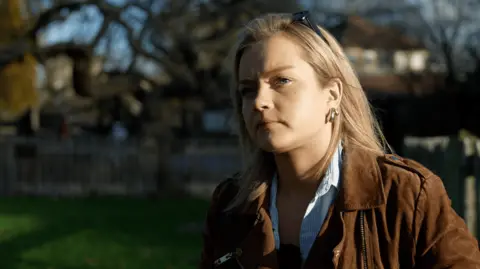
Kate was also filmed by a man wearing smart glasses.
She was at the gym when he approached her and asked for her number, which she declined.
The next day she was sent a video on TikTok of that same conversation.
Within six hours of the video being posted online, it had had about 50,000 views. The video got many offensive and inappropriate comments about the way Kate looked and behaved.
"I thought I was going to throw up," said Kate.
"I'm in distress. People are mocking me and making fun of me online, without realising none of this had been done with my consent."
Kate says she is angry at the man who filmed her.
"All of this is being done for cheap clicks online. Then you get loads of nasty comments which then affect your confidence, your self esteem."
Kate told the BBC that she had also twice been a victim of sexual assault.
"Sometimes you feel like you are getting better, in terms of your mental health, but then stuff like this [happens]."
TikTok has since removed the accounts that posted the videos of Oonagh and Kate after they were reported to the platform.
 Georgia Poncia/BBC
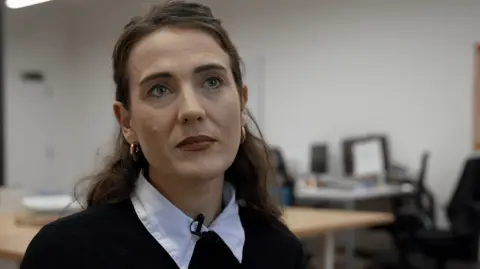
Rebecca Hitchen, from the End Violence Against Women Coalition says this trend of smart glasses being used to film people without consent is "sadly, very predictable".
"It's so obvious that these types of glasses are going to be used by perpetrators, or as part of harmful sexual behaviour, in ways that make women feel less safe, feel humiliated."
"It absolutely suggests troubling and concerning attitudes towards women and girls", she said.
- If you have been affected by any of the issues raised in this story, information and support can be found at the BBC's Action Line website.
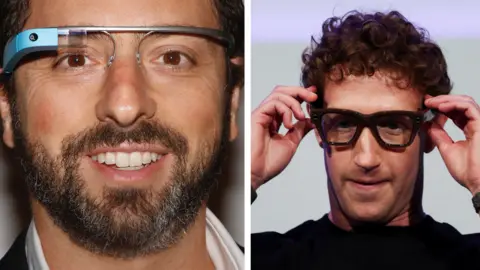
Google Glass, considered to be the first major pair of smart glasses, was released for sale in the UK in 2014, with a pair costing about £1,000.
Less than seven months later in 2015, sales ended amid concerns about privacy. Some bars and restaurants even banned the use of the smart glasses on their premises.
Google now plans to re-enter the market and release a pair of AI-powered smart glasses this year.
 Reuters
Over time, smart glasses have been developed to look more like an everyday pair of glasses.
This makes them harder to detect as smart technology, experts warn.
Meta, the company that owns WhatsApp, Facebook and Instagram, started selling smart glasses in 2021, and has sold around two million pairs since February last year.
The company says that its smart glasses "have an LED light that activates whenever someone captures content, so it's clear to others that the device is recording".
It also says that the product "features tamper detection technology to prevent people from covering that light".
There are lots of instructions online explaining how to disable or hide this light for covert filming. The BBC has confirmed that some of these methods can successfully hide the LED light while recording.
Neither Oonagh nor Kate say they saw a flashing light on the glasses while they were being filmed.
We put our findings to Meta. It says it will "continually review opportunities to enhance our AI glasses, informed by customer feedback and ongoing research".
'Smart glasses are useful'
Generally it is legal to film people in public, unless they are doing something which would be considered to be private, but doing so can come under existing laws such as harassment or stalking laws.
"One of the issues is that legislation lags behind technology," said Dr Jason Nurse from the Institute of Cyber Security for Society at the University of Kent.
"I definitely think smart glasses are useful," he said. They can help people with assisted living, tourism, and general convenience, "but at the same time we can't have people misusing them".
We need to make it "super clear to perpetrators" that they will be prosecuted if they cause harm, he said.
Smart glasses are becoming harder to detect as smart technology, which means that "many people may not have their guard up in the way that they potentially should", Nurse warns.
Meta said that as with any recording device, people using smart glasses should not engage in "harmful activities like harassment, infringing privacy rights, or capturing sensitive information."
A Home Office spokesperson said: "Violence against women and girls is a national emergency. We are looking at how technology, including smart devices, might be used to harm victims.
"Measures to tackle abuse enabled by technology will form part of our upcoming Vawg [Violence against Women and Girls] Strategy and will help to protect victims and hold perpetrators to account."
Google did not respond for our request for comment.
Follow BBC Sussex on Facebook, on X and on Instagram. Send your story ideas to southeasttoday@bbc.co.uk or WhatsApp us on 08081 002250.
