Town had 14,000 victims of domestic abuse last year

 Martin Giles/BBC
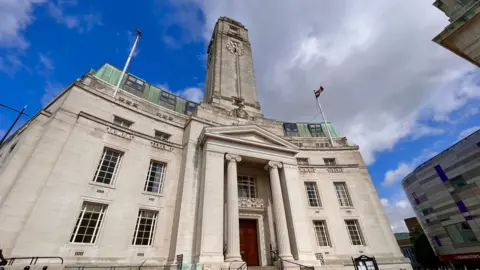
About 14,000 people living in a town experienced domestic abuse last year, council figures revealed.
Luton Borough Council said it was working with survivors, charities and groups on a strategy to reduce that figure, which prioritised early intervention, housing, helping perpetrators to prevent reoffending and joined-up support for victims.
The authority estimated about 47,000 people were likely to have experienced domestic abuse since the age of 16 - about one in four of the town's population.
Maria Lovell, a Labour councillor and portfolio holder for women, equalities and community safety, said: "Domestic abuse affects everybody."
Although women were more likely to experience domestic abuse, the council said more than 6,000 men had been victims over the last 12 months.
The authority added there was a link between incidents of domestic abuse and areas of increased deprivation, with the highest rates in the Central, Farley and Marsh Farm wards.
 Amy Holmes/BBC
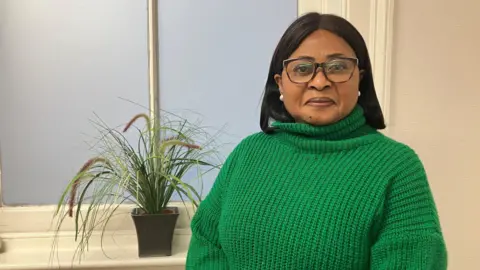
Lovell, who represents Leagrave ward, said she heard from "people you least expect" who were experiencing domestic abuse, but that "some people were not even sure they were in that situation".
Lovell said cultural barriers can affect some people from diverse backgrounds from speaking about domestic abuse, but added that "once the silence was broken that was the first step to support and recovery".
It is a legal requirement for councils to produce strategies to help decrease the workload on other statutory services.
For example, one in five child safeguarding referrals to Luton Borough Council related to domestic abuse cases, along with one in eight homeless applications.
 Amy Holmes/BBC
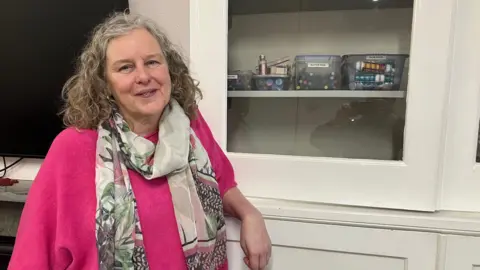
Claire Holcombe, from Women's Aid Luton, has worked with vulnerable women who have experienced violence and exploitation for more than 30 years.
In reference to the link between abuse and deprivation, she said the charity tried to "break down the barriers so all types of people can access services".
She said the charity reached out to all communities to "find out their life experiences and the barriers they have faced".
Holcombe said the charity was already using specialist children's workers but some young men struggled to see women as real people "because sometimes in the media and social media women are seen as separate".
Charlie Lockley, chief executive of the Stepping Stones Luton charity, told the BBC she felt the council's strategy was a "solid one" and was different from previous versions because it included feedback from survivors.
Lockley said that helped to understand "what it is like from the victim's point of view and where the failings in the system may have been before".
She said the charity worked closely with the Emerald Centre, Bedfordshire Police's dedicated domestic abuse team, which was "already seeing huge increases in the number of Clare's Law disclosures" - where you can find out if a partner has a previous history of domestic abuse.
Follow Beds, Herts and Bucks news on BBC Sounds, Facebook, Instagram and X.
