The natural surprise behind Mount Stewart's 'ghost ponds'

 BBC
BBCWhere there is a stately home, there is usually a ghost or two.
Mount Stewart, home to Winterwatch 2026, has some rather watery ones hiding in plain sight - and they are alive with nature.
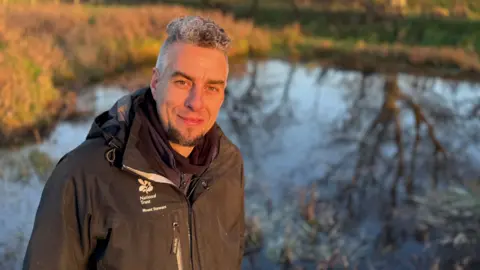
Reopening the estate's ghost ponds has been a mission for National Trust ranger Toby Edwards.
Since he arrived at Mount Stewart in 2015, he has been looking for water features that have been filled in or lost over the years as a "no-brainer" way to breathe life back into the landscape.
So far, seven have been restored with at least 10 to go.
And they are full of buried natural treasure.
Ten years ago, when the National Trust took over the surrounding 900 acres that made up the original estate demesne, Edwards found "hardly any" wetland features.
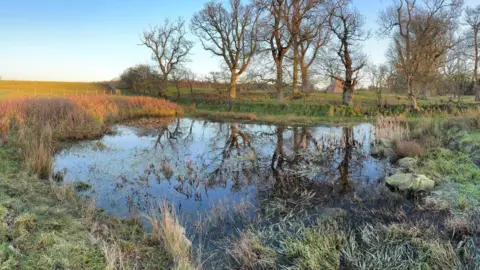
But a short distance from the familiar Winterwatch tepee, a ghost pond restored just two years ago is now teeming with life.
"We've been finding new species here that haven't been recorded across the peninsula in County Down for decades," he said.
"And we had a new species that hasn't been recorded in Northern Ireland at all turn up last year - the screech beetle."
The "magic", as he describes it, hides at the bottom of the buried pond.
"All of the plant species that would have been in this pond, their seeds lie in this sediment which has been obviously covered up when it was filled in or whatever happened to it," Edwards told BBC News NI.
"When you've restored this pond site by excavating it out, the sediments are passed off just around the area here and it just springs straight back into life again.
"So we've got species here that you would expect to find from a 30, 40, 50, 100-year-old pond, but it is only technically two years old."
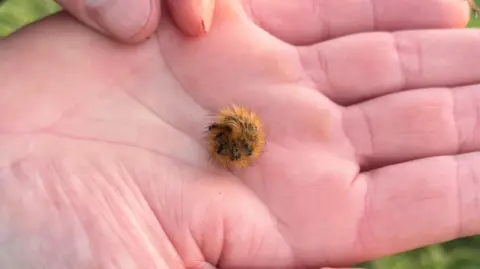
Nature resurging
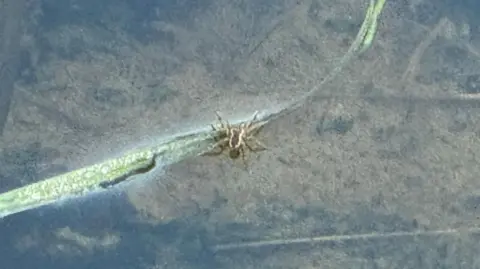
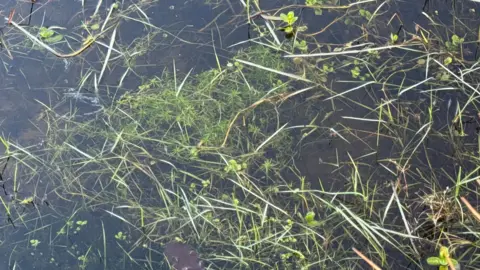
Starwort, an oxygenating plant, bobs in the water as raft spiders walk on the surface.
Tall bulrushes rise a metre and more from the water to dance in the breeze.
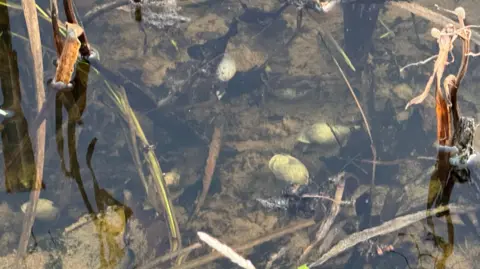
And on the bed of the pond, just visible through the water, Ramshorn snails are crawling.
It is the only organism that eats the blue-green algae that has plagued Lough Neagh and other water bodies across Northern Ireland.
The snail is on the priority list for species needing conservation support in Northern Ireland.
So reinstating these ponds is already making a difference.
"We had the emperor dragonfly turn up in this pond's first year, we saw a female laying eggs around the muds, around the outside," said Edwards.
"We've had new species like the screech beetle turn up.
"But this goes all the way - even all the regulars that were here, it's halted those national trends of decline.
"We're kind of sitting stable now."
As a working estate, there is a limit to what can be done here - cows have to be grazed and forestry managed, as well as the public access areas.
"If nature is given a little bit of space, it can recover and we can work alongside it as well," said Edwards.
"Having water in the landscape is a really important habitat feature and it doesn't matter whether it's a small root plate hole, for example, or a little bit of a ditch.
"They don't have to be wet all year round, so ethereal or vernal pools are really important to give the bare muds for certain insects to lay their eggs into them.
"I would have loads if I could."
How you can help nature
Creating a water feature in your back garden or on your balcony is the "number one thing" Edwards would recommend for anyone wanting to bring nature a little closer.
Putting a small bucket in the ground or installing a full-blown pond will attract the flies and insects that birds love to feed on, and our feathered friends will follow the food.
He has other ideas too.
"Some nettles, a small rough patch or anything like that and making sure you're not cleaning and tidying everything up in the landscape as well is good.
"Overwintering invertebrates need somewhere safe to be through winter, so don't tidy away all those dead stems from your garden straight away and they will overwinter - look inside some of the dead stems of plants, you'll find things like ladybirds and other beetle species.
"Just look closer and you'll see all these things around you - they're right on your doorstep and you can help them out."