'War coverage can be triggering for veterans'

 BBC
BBCAn armed forces charity has been checking in on veterans struggling with the "wall-to-wall coverage" of the war in Iran.
East Durham Veterans Trust said TV and social media coverage could badly affect former soldiers who struggle with post-traumatic stress disorder (PTSD).
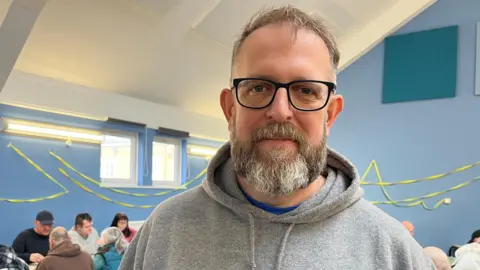
Head of the trust Andy Cammiss, who served in the Royal Corps of Signals, said: "The videos are everywhere and we've got to make sure that our service users with PTSD aren't going back to a dark place on their journey."
The Seaham-based trust holds weekly community meals and has invited any veteran in the region who might be struggling to join.
It supports ex-armed forces personnel of all ages and in the last two years, 201 veterans and family members have accessed mental health support through the trust.

PTSD is a mental health condition caused by very stressful, frightening or distressing events, according to the NHS.
Symptoms include reliving the traumatic event through nightmares and flashbacks, and feelings of isolation and guilt.
Case worker Lee Martin said: "The team have had some new referrals since the war began and it can be very triggering for those who've experience this type of conflict.
"We let them know that we're there for them and it's important that they don't bottle anything up they need to speak about what they're going through."
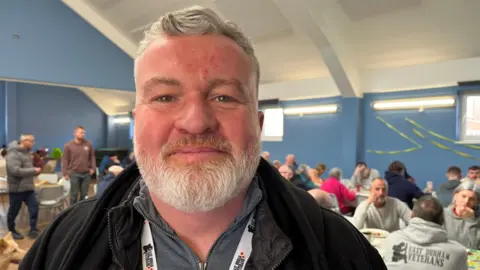
Tony, a former army medic who accesses support at the East Durham Trust, said: "I'm a news addict and you just think 'why do you have to show all this footage?', for us who've lived this, it's very tough."
Cammiss said: "It's not just on the news, nowadays the coverage is across social media, seeing the bombs going off, it can provoke a mental health problem through PTSD.
"We'll keep checking in with some of our more vulnerable individuals but the most important thing is knowing that we are here for them."
The trust's headquarters is open six days a week for those who need a safe space to talk or socialise.
- If you have been affected by any of the issues raised in this story, information and support can be found at the BBC Action Line
