Ambulance boss says staff bullying still an issue

 Steve Hubbard/BBC
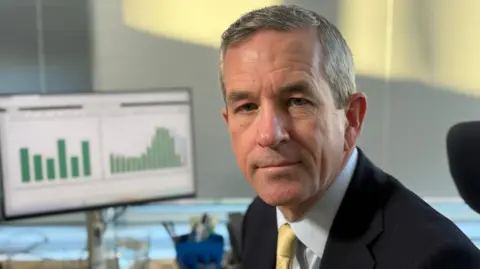
Staff bullying is still an issue at an ambulance service previously described as having a "negative culture", its chief executive has admitted.
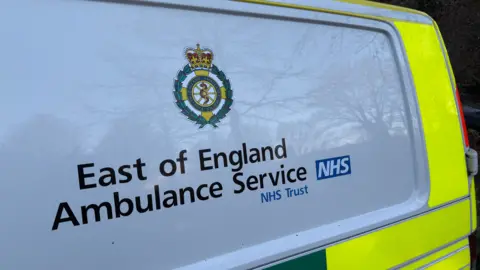
East of England Ambulance Service (EEAS), previously rated the worst in the England, has had long-standing problems with bullying and harassment among workers.
Speaking to BBC Radio Norfolk, chief executive Neill Moloney said staff satisfaction was one the biggest challenges for the trust.
"We know there are still examples, that I'm still hearing about, of staff exhibiting bullying behaviour on other staff, and that's unacceptable," he said.
 Steve Hubbard/BBC
"We are going to ensure that we are doing everything we can to address those issues."
Moloney took over at the trust, which covers Norfolk, Suffolk, Essex, Cambridgeshire, Bedfordshire and Hertfordshire in September 2024, inheriting a service that had recently been removed from special measures.
It had shown some improvements on leadership and staff culture issues but was ranked worst in the country in a new league table last year.
He told BBC Radio Norfolk breakfast presenter Chris Goreham that much work needed to be done, with sexual harassment a particular focus in the past 12 months, following a "substantial increase".
Staff understood how to raise issues, which were then "addressed", he added.
"We have been able to demonstrate where, for staff that are exhibiting those behaviours, we will exit them from the organisation, and we are committing to doing that," he explained.
"What we are now seeing is a reduction in the number of staff that are then coming forward [with complaints].
"[This] gives me some satisfaction, that staff are willing to come forward, and because they see we are demonstrating action, those numbers are now beginning to reduce."
Asked if these issues had shocked him most, or absorbed more of his time than he anticipated, he replied: "I think that's a fair assessment."
He said he had had a "long career" - spanning more than 30 years - in the hospital sector before joining EEAS.
"The experience I've had in the ambulance sector in the last 18 months, I've probably seen more than I have done in my previous role," he added.
Touching on other issues, he said the relationship with unions was improving, but the trust had seen a "significant" rise in violence and aggression towards staff, and related prosecutions, in the past few years.
He said there were "clear opportunities" to improve on response times, including by updating and maintaining its fleet, treating more patients in the community and improving hospital handovers.
"One of the biggest challenges is improving staff satisfaction and some of the cultural issues, and I think that's going to take some time to root out, but we're absolutely determined to do that," he added.
Follow Norfolk news on BBC Sounds, Facebook, Instagram and X.
