School first to trial new music curriculum

 BBC
BBCA Bristol primary school has become one of the first in the country to trial a new national music curriculum, launched amid a sharp fall in GCSE entries and a decline in specialist teachers.
The curriculum has been developed by Bristol Beacon in partnership with Bristol-based multi-academy trust Amplify Education and Oak National Academy.
It includes 36 units and 216 lessons for Key Stages One and Two, all freely available to primary schools nationwide.
Government figures show entries for GCSE music have dropped by 42% over the past decade, while the number of specialist music teachers has fallen by around 1,000.
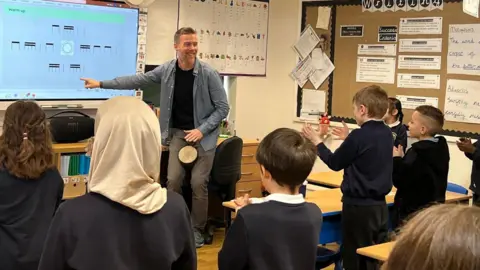
At St Werburgh's Primary School, Year Three pupils are already taking part in structured lessons focused on rhythm, singing and composition.
In one session, children layered percussion patterns before composing short rhythmic pieces, counting carefully to stay in time.
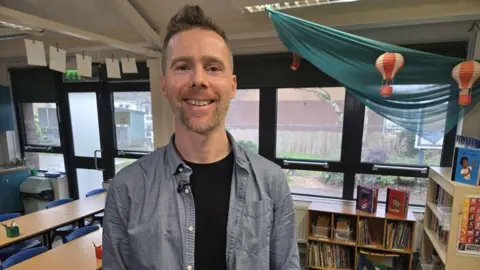
Nick Rees, music lead at the school, said the materials were designed to support non-specialist teachers.
"These lessons are carefully sequenced and really accessible," he said.
"There is a video that supports each lesson, if you're not sure about any of the terminology or how a different aspect is taught.
They are engaging, they're exciting, you can tailor the lessons to use in your school setting".
The resources were created over 18 months and draw on contributions from national arts organisations including the Royal Ballet and Opera, London Symphony Orchestra, and the National Children's Orchestra.
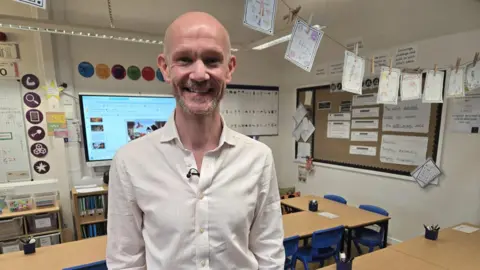
Richard Croughan, primary music lead at Bristol Beacon, said improving provision in primary schools was key to reversing longer-term decline.
"Music supports creativity, communication and confidence," he said.
"If we want young people to stay connected to it, those foundations have to be laid early."
Since launching, the curriculum materials have been downloaded more than 15,000 times by nearly 5,000 teachers across the UK, according to organisers.
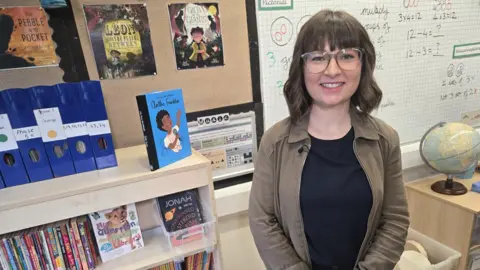
Lucie Bebbington-Lewis, primary music lead at Amplify Education and co-creator of the curriculum, said early feedback had been positive.
"Especially after staff meetings, I see staff running off to practice; they are really enthused and excited about what's on offer," she said.
"We wanted to put singing at the heart of the curriculum, and the children are going out and playing the games they learn in the playground, which is brilliant.
"That's exactly what we hoped to see."
Pupils at St Werburgh's enjoy creating their own music.
"I really liked when we were singing, because when we were doing it altogether, it made a really good ring to it!" - Ida
"Playing instruments, I like that a lot" - Milo
"I learned playing, composing and performing" - Shukri
The Department for Education has previously said music remains part of the national curriculum and that schools have flexibility in how it is delivered.
Organisers say strengthening music education at primary level is essential if more pupils are to continue with the subject in later years.
Follow BBC Bristol on Facebook, X and Instagram. Send your story ideas to us on email or via WhatsApp on 0800 313 4630.
