'We shouldn't take outdoor access for granted'

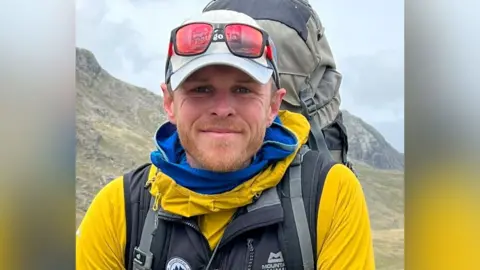
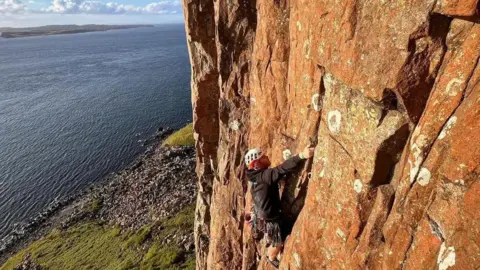 Alex Jones
Going for a riverside stroll or a scenic hike are simple pleasures that can boost wellbeing. But access to beauty hotspots and outdoor haunts has not always been a given.
January marks the centenary of landmark legislation that created a right to walk and ride on about half a million acres of land in England and Wales.
It was the result of a campaign led by the Open Spaces Society, which also paved the way for subsequent legislation, meaning the public now has access to fells, valleys and moors all around the country.
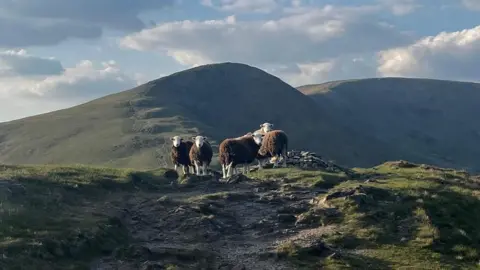
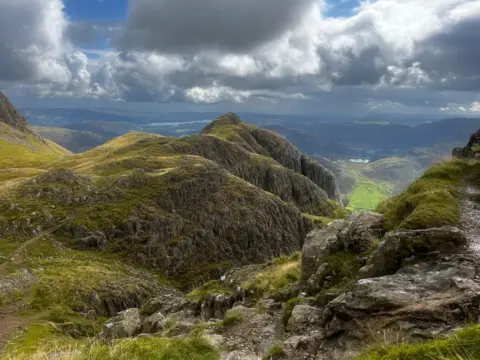
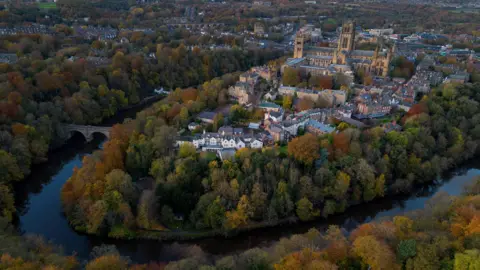
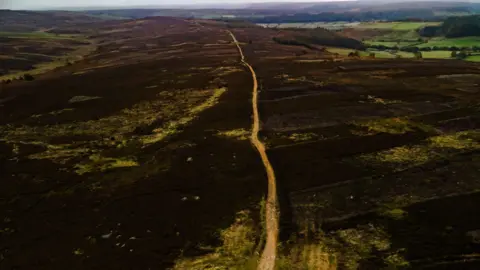
Examples include Langdale Fell and Grasmere Common in Cumbria, Newbiggin-by-the-Sea in Northumberland, The Sands in the City of Durham and Tidkinhow Moor in Guisborough.
"What those people fought for and those little wins, they're actually really big wins for me," says mountaineering and climbing instructor Alex Jones. "But I think what people don't realise is that that can be taken away from us."
Jones is based in Windermere in the Lake District, but he operates all across the UK.
"[Without that legislation] I don't think I'd be doing what I do," he says.
Section 193 of the Law of Property Act 1925, which the Open Spaces Society campaigned for, gave people access to about a third of the total area of common land.
It was extended to all remaining commons in 2000, with the Countryside and Rights of Way Act.
Kate Ashbrook, the society's general secretary, says she is proud of what the organisation has achieved.
"We continue to campaign for better protection of commons for their many vital qualities, offering public recreation, a livelihood for those with common rights, a sense of history, fine habitats for wildlife and splendid landscapes," she says.
Jones said the British Mountaineering Council also worked hard to be a voice in Parliament for access to the outdoors.
However, he is concerned landowners may start pushing back against the right to access land because of increasing issues with littering and illegal camping.
 Reuters
"What we're seeing a lot of at the moment is folks that are new to the outdoors, that are coming into the outdoors and sometimes leaving it not so desirable at the end - they might be leaving some litter or abandoning tents," Jones says.
"The landowners can get quite upset about it and that's that's what makes me worried."
He says these issues also caused backlash from the outdoor community, but he believes everyone should be able to enjoy the landscape.
 Alex Jones
"It's a bit of a hot take, but I think they should be there because it's ignorance, they're not doing it out of malice."
He says the more access people have, they more they would understand the impact of their behaviour.
"An extreme example is when you show someone a melting glacier, they respond to it so much more than if they just read about it in a newspaper," he says.
"I think it's about pushing that educational side of it and we need that access to educate people."
 Getty Images