Island nature reserve's seagrass to be mapped

 National Trust
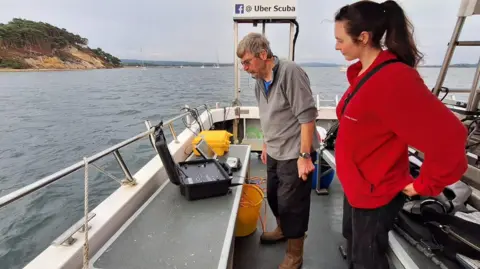
The waters around an island nature reserve are to be surveyed for the first time to map seagrass habitats.
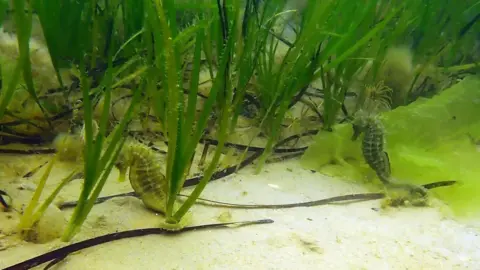
Initial surveys at Brownsea Island in Poole Harbour, Dorset, revealed an abundance of seagrass, which is a haven for wildlife including some species of seahorse.
Oceanography experts from the University of Southampton are expected to carry out a detailed underwater survey in the first half of 2026.
National Trust ranger Sophie Giles, who instigated the project, said it was important for seagrass beds to be mapped so they could be better protected.
 The Seahorse Trust
The initial surveys were conducted by Dr Ken Collins of the National Oceanography Centre, Southampton, in August.
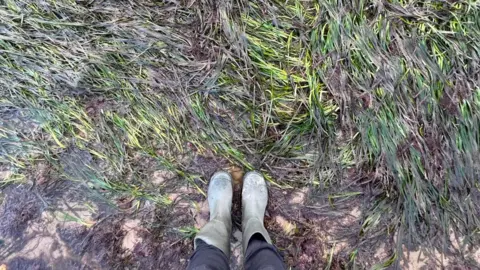
Ms Giles, who lives on the island, said: "At the moment, seagrass beds are vulnerable to dredging, trawling and recreational activities so it's really important we get them mapped.
"We've got two seahorses in Poole Harbour and Studland Bay - spiny seahorses and short-snouted seahorses - but seagrass is also home to lots of other life.
"It's a protective, sheltered habitat."
 Sophie Giles
Dr Collins has previously surveyed the seagrass beds in Studland Bay but said it was the first time the smaller Brownsea habitats had been studied.
He said, as well as mapping the beds, researchers would also look at sediments and the physical environments that favour the seagrass.
Ms Giles said, following the detailed survey, the seagrass would continue to be monitored.
She said the long-term goal is for local recreational divers to be trained to help keep an eye on the habitats, fostering a sense of stewardship and responsibility within the community to help protect and preserve it.
What is seagrass?
Seagrass is an underwater flowering plant, once widespread across the UK but seagrass beds have declined more than 40% since the 1930s, due to coastal development, pollution, disease and physical disturbance.
The beds, or meadows, form in shallow coastal areas with plenty of light and favour sheltered bays and lagoons protected from the waves.
Seagrass beds are an important part of the marine ecosystem, serving as a nursery and home for a wide variety of marine species.
Source: Gov.UK
