Library sifts through 90 years of 'rare treasures'

 BBC
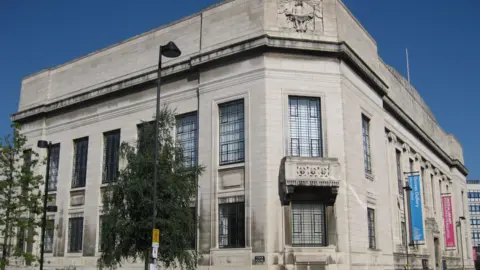
BBCRare items including a printed atlas from 1611 and an original Sherlock Holmes story are among some of the valuable treasures currently being curated in the basement of a Sheffield library.
The city's Central Library is working its way through six rooms - containing 9,315 metres of open shelving - to assess some of the historical material in its collection.
The library is looking at how to manage 90 years' worth of non-lending material, much of which is stored in the basement and not publicly accessible or generally available for loan.
A spokesperson said the aim was to give people "the chance to discover and celebrate hidden treasures" which could be used and enjoyed by everyone.
 Sheffield Council
Books and journals have been removed to make space for new stock and the service said it was now considering what to keep and what to dispose of.
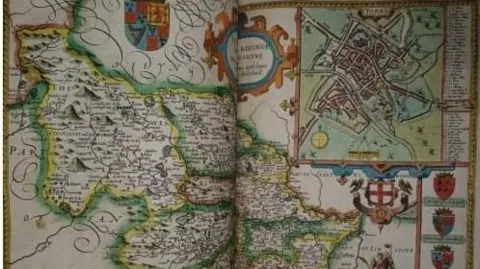
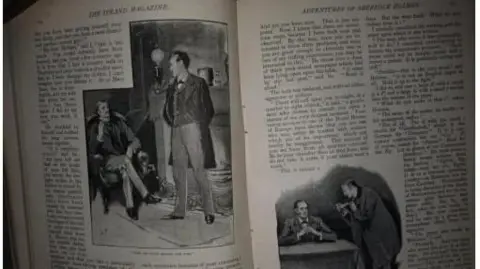
On the keep list is Speed's Maps from 1611, the first printed atlas to cover the whole of the British Isles, and The Strand Magazine from 1891 containing a Sherlock Holmes short story.
On the dispose list is a copy of Television and Consumer Electronics Magazine from 2005 and House of Commons Home Affairs Committee reports from 2004.
And on the undecided list is a book of Antony and Cleopatra which is "easily accessible elsewhere", a book about Uniforms of the British Army and old biographies.
 Sheffield Council
The stock contains a significant amount of material on science and technology, as it was originally designed to serve five distinct libraries, including a specialist science library.
Sheffield was also Her Majesty's Stationery Office and received one copy of all government reports.
Some of the items are rare or valuable and others form part of distinct collections, such as the Alan Rouse climbing collection, historical patents and the Sheffield Home of Football library.
A council report said: "This has been accumulated over 90 years reflecting the historic role of the library as a repository for knowledge.
"Before information was available digitally, people came to the Central library for books and journals that otherwise would have been found only in London or other major city libraries.
"Some rare books were acquired from the mid-1950s to early 1980s, which often remain valuable and of cultural interest."
'Inaccessible' items
The library will now assess and curate material to improve access to valuable, rare or unique items.
Staff will decide which items to digitalise, taking advice from other libraries and specialists.
The report added: "The internet coincided with times of significant budget pressures for the council in previous decades, which shifted our focus to managing the day-to-day public services and current lending stock.
"Material has been moved into the Central library basement without clear guidance, and the capacity of the service to curate the existing material has been minimal.
"As a result, many items are inaccessible, catalogued only on paper index cards, out of date and underused."
A library spokesperson said they anticipated "a significant reduction" in stock, with alternative homes found for the items.
Listen to highlights from South Yorkshire on BBC Sounds, catch up with the latest episode of Look North
