Why are Isle of Man bus drivers on strike?

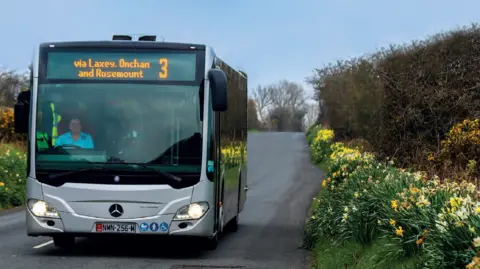 BUS VANNIN
Bus drivers on the Isle of Man are this weekend staging a second round of strike action over pay and entitlements.
The Unite union is in dispute with the Department of Infrastructure, which operates the government-funded bus service as Bus Vannin.
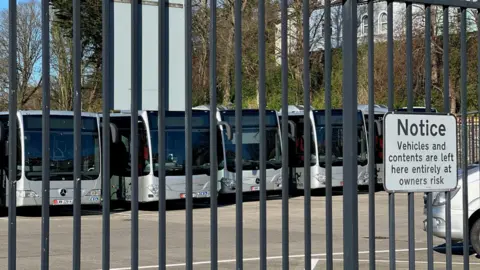
A 10-day walkout last month saw services operating fall to about 10% of the usual weekday journeys.
The four-day strike ends in the early hours of Tuesday, with more dates on the cards - but how did we get here?
What is the dispute about?
Unite said the current dispute over hourly rates and potential changes to conditions was "separate" to a 3% rise awarded to all workers under the Public Services Commission in December - and dates back further.
Contracted to work 37 hours a week, drivers routinely have to exceed those hours, but only the basic hours are pensionable.
Although they receive a daily allowance to compensate for shift patterns covering unsociable hours, a flat hourly pay rate applies to all days worked.
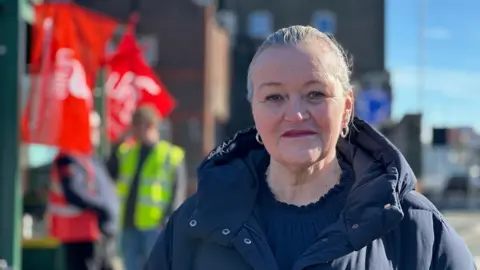
Unite regional organiser Debbie Halsall said the drivers were calling for "parity" with other public service workers in the uplifts paid for working Saturdays, Sundays and bank holidays.
What has Bus Vannin offered?
Bus Vannin said it had made six offers to the drivers - which included changes to terms and conditions.
The first in November was for a weekend rate of time-and-a-third, with an additional £1 per hour on Saturdays and £2 per hour on Sundays and bank holidays offered in December.
Other offers made in February included an increased consolidated weekday rate, removing the shift allowance, along with an additional £1.20 per hour on Saturdays and £2.20 on Sundays.
None have been accepted, but Bus Vannin said the offers remain on the table and it was "committed to reaching an agreement that does not increase bus fares or reduce bus services".
Why has Unite rejected the offers?
Halsall said the offers had all been "self-funding" – meaning money to pay for any increase in hourly rate for weekend shifts would have to be shaved off other elements of the contract.
Those could include moving the shift allowance to the weekend, which would cut weekday pay, and altering sickness entitlement and annual leave allocations.
No other workers were being "asked to fund their own" pay rises, Halsall said.
Moving from weekly to monthly pay equated to a "variation of contract", she added.
Have there been recent talks?
There have been no direct talks since before the first bout of strike action began.
Bus Vannin said it had met this week with the Manx Industrial Relations Service – the island's independent employment relations service – while Unite said it was due to meet the service on Monday.
While the dispute rumbles on, the forthcoming strikes in March look set to continue, with the possibility of more industrial action in the months ahead.
Workers engaged in the industrial action do not receive any pay from Bus Vannin, however the union does offer strike pay, which is typically paid at a rate of £70 a day in the UK.
When are the next strike dates?
- 13 Mar – 17 Mar 2026
- 20 Mar – 24 Mar 2026
- 27 Mar – 31 Mar 2026
What are the current contingency plans?
Bus Vannin said services would continue to operate on main routes - to and from Lord Street in Douglas via Laxey and Ramsey, Port Erin and Port St Mary, and Peel - with several running via Noble's Hospital.
No dedicated school services were running on weekdays affected, but pupils were able to use Go Cards to access the services that were operating.
The Manx Electric Railway was also running services for commuters and school students between Ramsey and Derby Castle on Douglas Promenade.
Read more stories from the Isle of Man on the BBC, watch BBC North West Tonight on BBC iPlayer and follow BBC Isle of Man on Facebook and X.
