'Work needed to bring domestic abusers to justice'

 BBC
BBCA fall in the number of domestic abuse crimes resulting in convictions is because victims are less willing to pursue prosecution, Jersey's justice and home affairs minister has said.
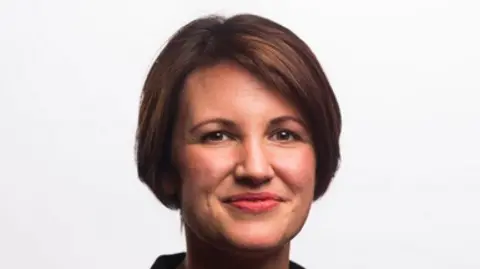
Responding to a question in the States Assembly, Deputy Mary Le Hegarat said victims were not supporting prosecutions for "many complex and often deeply personal reasons".
Her comments follow the publication of a Freedom of Information request that showed trends of increasing numbers of recorded domestic abuse incidents and a fall in the conviction rate since 2020.
Le Hegarat insisted the States of Jersey Police were "not complacent" about these figures and there was a "clear need to address the gap".
She said: "This responsibility does not solely lie with the States of Jersey Police and they are committed to working with the Law Officers Department to bring as many cases as possible to justice."
She said the proposed introduction of pre-conviction emergency barring orders would hopefully strengthen protections for victims going through the legal process.
If approved, the barring orders would allow police to order a suspected abuser to leave a victim's home or stop contacting them while an investigation was ongoing.
'Really difficult process'
As of 10 December, police data for 2025 showed that only 3% of recorded domestic abuse incidents ended in conviction.
Police said many of these offences were still waiting on a court appearance which could result in a future prosecution.
In the States, Le Hegarat was questioned about these court delays by Deputies Catherine Curtis and Jonathan Renouf.
The minister acknowledged it was a "matter that needs to be looked at" and said it would be easier to examine in closer detail after an ongoing review of the court process had concluded.
She added: "I think there is a lot of work that needs to be done in relation to victims as a whole and I think the support of those victims is also critical."
Domestic abuse survivor and campaigner Suzannah Mahe said she "completely understands" why the conviction rates were low.
She pursued a case against her abuser who was jailed for 15 years for raping and assaulting her.
Mahe has since waived her right to anonymity to speak about the experience.
She said it was a "really difficult process" made worse by "gaps between initial charging and then going forward to the court system".
Mahe said: "It's such a long period of time that there sews doubt into a victim's or witness's mind because time's moved on and gone forward.
"So, for me seeing people go through the court process, it's extremely hard and I completely resonate with anybody in that position."
She said the legal system was there "because there are people out there who obviously do these things and need to be accountable for their actions".
Follow BBC Jersey on X and Facebook. Send your story ideas to [email protected].