Fighting inequalities one rounder at a time

 BBC
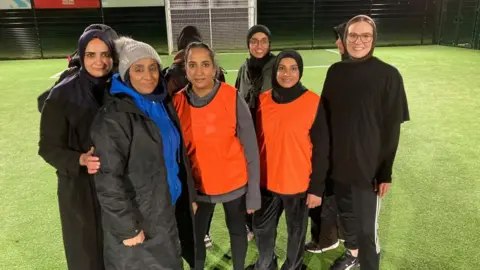
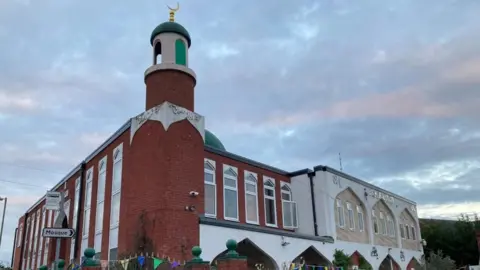
BBCFor a group of women from Banbury Mosque, playing rounders is a good way to socialise and keep fit and healthy.
But it's simple activities like this that are making a real difference to people living in the area.
Seven years ago, the Grimsbury and Hightown community - where the Mosque is based - was in the 20% most deprived areas of the country. But the latest data shows this community has pulled itself off the list.
In the same time, a programme has been running between public health, local authorities and voluntary and community organisations, to better understand neighbourhoods, identifying inequalities and putting the power in the hands of local people to find solutions.
The project is the subject of Oxfordshire County Council's director of public health's annual report, urging further investment in grassroots organisations to help them lead initiatives that tackle inequalities at a local level.
Yasmin Kaduji is responsible for organising a range of activities for women from the Mosque.
"We've got rounders, we've got tennis happening in April, we've got archery coming up in May. We're actually doing some sailing classes in June," she said.
Kaduji has also worked with Cherwell District Council to arrange women-only swimming sessions at the local sports centre.
It's this partnership work, led by the community and voluntary sector, that seems to be making a difference in areas identified as having the highest levels of inequality.
For most communities in the Index of Multiple Deprivation, including Grimsbury and Hightown in Banbury, the areas tend to have high levels of unemployment, child poverty and a lower life expectancy.
But by looking more closely at each individual neighbourhood and mapping the assets that the area has, public health teams have been able to better identify support that could make a real difference.
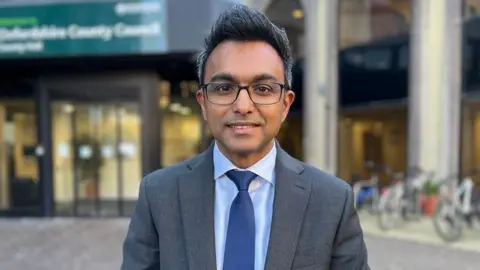
Ansaf Azhar, Oxfordshire's director of public health, said: "We were able to come out with specific solutions that are bottom up and co-produced with the communities, to tackle the underlying drivers of inequalities.
"And that was really powerful because there was engagement with the communities, there was engagement with the community leaders and it also created a sense of ownership into that local area."
But Azhar's report comes with a warning. That areas like Grimsbury and Hightown could slip back into the 20% most deprived areas without dedicated long-term funding and a continued commitment by organisations to work together.
And with Oxfordshire County Council facing a £28m funding cut by 2028 and local government reorganisation on the horizon, the future is uncertain.
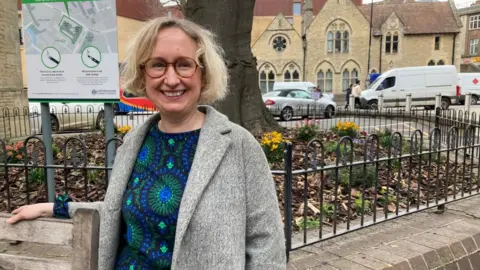
But Laura Price, chief executive officer of Oxfordshire Community and Voluntary Action, believes the network that supports grassroots organisations is strong.
"We recognise there are huge financial challenges, not just for the community and voluntary sector but for local government and for individual people and families.
"So I think the future is looking very challenging, but the thing that does make me feel hopeful is when we collectively understand the scale of the problem and collectively have agreement on what some of the solutions might be and hopefully the money and the resource can follow."
