Do not ban social media for under-16s, urges head
 BBC
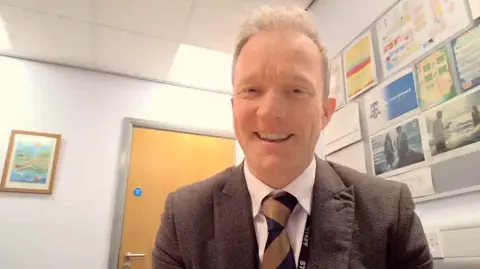
BBCA "more nuanced approach" is needed when supervising children's social media use, a head teacher has suggested amid calls for the government to introduce a blanket ban for under-16s.
Tony McCabe, from St Joseph's High School in Horwich, Greater Manchester, said "social media isn't all bad" and stressed that it can bring "positive mental health opportunities" and the chance to "learn together".
His comments came after the mother of murdered Warrington teenager Brianna Ghey backed proposals for a ban similar to the one introduced in Australia in December.
While McCabe said he did want mobile phones being used within school hours, he told BBC Radio Manchester he did not agree with a total ban.
'Learn together'
More than 60 Labour MPs wrote to the prime minister on Sunday, saying they backed the idea of preventing access to social media accounts for those under 16.
McCabe argued this was an overly simplistic approach.
"The impact of social media upon young people can't be underestimated," he said.
"I think social media is a really good way for some young people to connect with each other in a really healthy, positive way.
"They stay in touch with friends and they can share stuff online about what they've been up to.
"It's a good way that young people can encourage each other with positive mental health, opportunities to revise together, to be able to learn together."
'Monitoring systems'
McCabe believes schools should be educating pupils on safe and responsible social media use.
"School should be time for young people to focus on their studies," he said.
"Nevertheless, I do believe that schools have a role in teaching young people how to use social media and to use it effectively and responsibly - especially in the world of AI."
He added that schools, parents, and social media companies all had a responsibility to "monitor" usage - regarding content filters especially.
McCabe thinks the technology is there to help.
Currently, he said if a child searches for something inappropriate or concerning, it is flagged to internal monitoring systems and dealt with by school staff.
"It's very easy to put monitoring systems into place, filtering systems into place," he explained.
"If schools have the software to be able to do that on our internal systems, why have the big social media giants not got similar software that they're able to use to filter, report, and reach out to a child that is in need?"
'Education at home'
The headteacher did concede some concerns about social media addiction and many of the algorithms they use to attract and retain users.
"They become addicted to getting 20-second sound bites and then when they're asked to concentrate for an hour in a lesson, they're not used to doing that because of the fast-moving pace of social media that they've become used to," said McCabe.
"I think every single family out there will have negotiated and come across difficult things online that their young people are exposed to, particularly the way algorithms work and really target a young person, the more they hover over something, the more their social media channels are infiltrated with some harmful content.
"And the first education happens there within the family home.
"I'd encourage all parents and carers - if they're not already doing so - to have a look to see what your child is doing, monitor that, have conversations with them, try not to judge them.
"They're living in a very different world than potentially we grew up in, and they need us to walk alongside them and to support them along their journey."
Listen to the best of BBC Radio Manchester on Sounds and follow BBC Manchester on Facebook, X, and Instagram. You can also send story ideas via Whatsapp to 0808 100 2230.
