Man died after abnormal blood test results missed

 Google
A GP surgery failed to spot abnormal results in the blood test of a 66-year-old man who later died after suffering a cardiac arrest, a coroner has found.
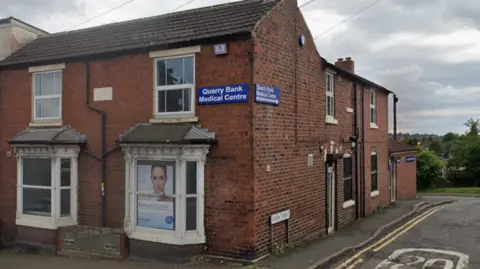
Stephen Rhodes saw his GP at Quarry Bank Medical Centre in Brierley Hill on 13 September 2024, presenting with symptoms of progressive shortness of breath.
The doctor sent him for regular blood work but the test results were then filed in the mistaken belief there were no abnormal result findings, despite one of his readings being significantly raised.
Rhodes collapsed on 11 March 2025 while working as a delivery driver and died after developing a cardiac arrest. Coroner Zafar Siddique found that neglect contributed to his cause of death.
Rhodes's cause of death was found to be hypertensive heart disease due to aortic stenosis - a condition where the aortic valve becomes thickened or calcified and is less able to open.
In a prevention of future deaths report, Siddique said: "There was a missed opportunity to make a cardiological referral, which if it had been made in the suggested two-week period, further tests and treatment could have been initiated.
"It is likely he would have possibly survived with earlier intervention with a diagnosis of hypertensive heart and aortic stenosis."
If he had been offered aortic valve replacement, Siddique said his surgical risk would be 1-2%.
However, once aortic stenosis is symptomatic with heart failure, the coroner said the condition had a mortality rate of 50% within two years.
One of the tests requested by the GP was a marker of increased left atrial pressure and a screen for heart failure.
His reading was significantly raised at 3473. The normal expected reading for this age group is less than 400, but Rhodes's results were filed as if the readings were normal.
The abnormal marker has been reported to the practice and noted in the practice record, with the advice from the laboratory to refer Rhodes for a special assessment and an ultrasound within two weeks.
Siddique said that when the GP gave evidence, they described how the practice could have up to several hundred reports a day.
They could not adequately explain how the error occurred, but one suggestion was that the abnormal results were not found on the front page of the report or highlighted in red.
In the prevention of future deaths report, sent to NHS England and the practice manager at Quarry Bank Medical Centre, Siddique said there was a risk that future deaths could occur unless action was taken.
"My concern is that the blood test results from the laboratory were not adequately scrutinised by the GP," Siddique said.
Since the incident, Siddique said the laboratory involved has now updated their reporting to ensure that abnormal results are flagged on the first page of the report.
The BBC has approached Quarry Bank Medical Centre for comment.
Follow BBC Birmingham on BBC Sounds, Facebook, X and Instagram.
