Rare lichens thriving due to traditional farming

 National Trust/John Douglass
Rare lichens have been found thriving across a valley thanks to traditional farming practices.
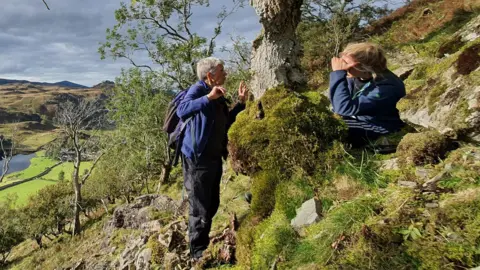
A lichen survey carried out at Watendlath, in the Borrowdale Valley near Keswick in Cumbria, identified a range of rare lichens including some not known to be present in the area before.
The National Trust, which worked on the study with the British Lichen Society, said tree pollarding to provide food for livestock increased tree stability, allowing the lichens to thrive.
The practice, carried out since the 17th century, has been key for the lichen, the trust said, along with the temperate rainforest habitats of the rain-soaked ancient woodlands.
The Borrowdale Valley is England's largest temperate rainforest and in 2024 Natural England designated the area a National Nature Reserve.
 National Trust/Paul Harris
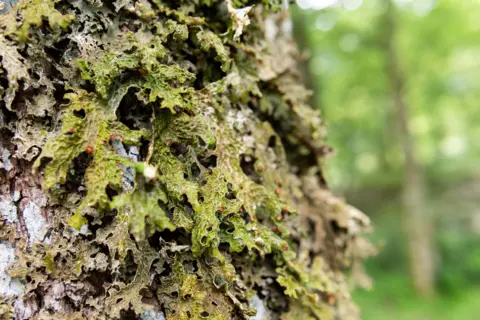
Morwenna Muir, assistant nature conservation adviser at the National Trust, said significant findings of the lichen survey included new species such as collema flaccidum, bacidia subincompta and nephroma laevigatum.
It also confirmed the continued presence of ramonia nigra, a lichen found nowhere else on the planet, and a wider presence of tree lungwort (lobaria pulmonaria) than previously thought.
However, Ms Muir said the woodlands were under "significant pressure".
She said: "Ash dieback, with the loss of ancient pollards and the lack of younger trees coming through, and wider threats like air pollution and climate change all pose serious risks.
"Without intervention, we could lose species that are globally rare."
The National Trust said it was working with tenant farmers to implement conservation plans such as tree planting and woodland management.
