'They criminalised us as children and we had done nothing wrong' – apology for abuse survivors

 BBC
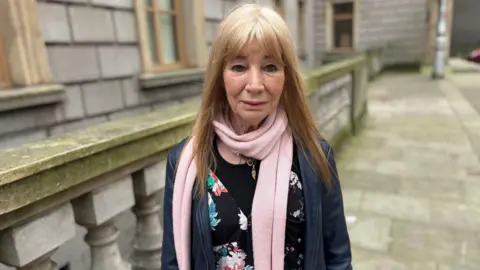
BBCA survivor of institutional abuse in Ireland, who was taken away from her mother when she was one year old, has welcomed an apology from the taoiseach (Irish prime minister).
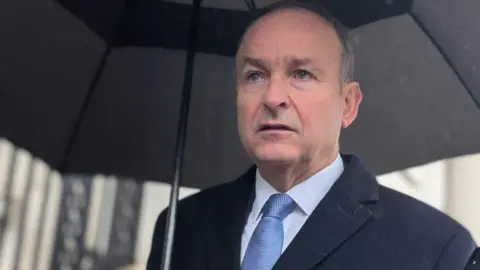
Micheál Martin apologised to survivors of institutional abuse in the Dail (Irish parliament) earlier on Wednesday.
There are an estimated 4,000 survivors of institutional abuse in Ireland.
Miriam Moriarty Owens who is from County Kerry said she and others had been "criminalised as children" and "we had done nothing wrong".
The then Taoiseach Bertie Ahern issued a State apology to victims of institutional abuse in 1999.
However, campaigners in particular pushed for a clarification that nobody should have a criminal record just because they were put in an industrial school or a reformatory school.
"I want to unequivocally apologise to you and reiterate on behalf of the Government, the State, and all the citizens of the State, the profound sorrow for the terrible pain and abuse suffered by you," said Martin in the Dail.
"What you endured on a daily basis as innocent children was harrowing, heart breaking and wrong."
The government will now issue certificates confirming the position on criminal records for individual survivors, including those who have died.
 PA/Cillian Sherlock
Last year, four survivors of abuse in industrial and reformatory schools went on a hunger strike which lasted 51 days.
Moriarty Owens, Mary Donovan, Maurice Patton O'Connell and Mary Dunlevy Greene took part in a 51 day hunger strike last year.
Moriarty Owens spoke to BBC NI about her experience of industrial abuse.
"As soon as you entered those doors… first of all they took your name away and they gave you a number, like: 'You're a prisoner now, you're a convict, you're a criminal.' They took your personality away. They took your dignity, they took your everything. They owned you.
"As soon as you walked, you worked, and that's the way we did and that's the way our lives were.
"The government of today should recognise the children that suffered under their care. But they didn't care about us."
'They criminalised us as children'
Moriarty Owens, who is from County Kerry, said she has been having health issues since the hunger strike, including having kidney infections and chest infections.
She said the hunger strikers, who are aged between their 50s and 70s, lived on "water, milk, vitamins and tea" during the strike last year.
"We shouldn't have been left there for 37 seconds, no mind 51 days.
"We were never criminals. They criminalised us as children. We did nothing wrong. We did nothing wrong. I'm so happy today I am going up to the Dáil and they have to stand there and apologise to us - rightfully so."
The Irish government has also agreed a package of supports for survivors, which includes supports for health through dedicated liaison officers, education grants, being prioritised for social housing and funeral costs.
