Citizen science project to track small mammals

 BBC
BBCEcologists are asking islanders to help track small mammals through a new citizen science project called Garden Paws.
Organised by Nature Commission Guernsey, the project aims to gather more data on species that are difficult to monitor.
A recent State of Nature report found there were fewer small mammals in Guernsey and Herm than in the UK, but the reasons for this remain unclear.
The project encourages people to record activity in their own gardens and green spaces.
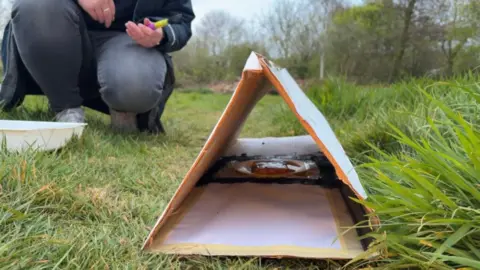
Islanders can use footprint tunnels to detect animals without disturbing them.
The tunnels are made from cardboard, paper and an ink mixture, with food placed inside to attract wildlife.
Animals that pass through leave footprints on the paper, which can then be identified and shared with experts.
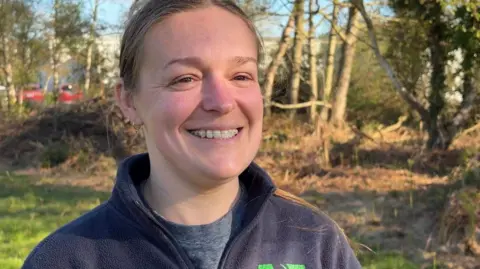
Charlotte Burgoine, an ecologist at the Nature Commission, said: "If everybody takes part, it gives us a much clearer understanding of what small mammals we've got in Guernsey.
"It's a great opportunity for families and even kids to get involved in collecting crucial data for Guernsey. The approach is cheap, accessible and simple, making it easy for anyone to take part and contribute."
Burgoine said the data was important because small mammals were a key part of the food chain.
"A lot of our birds of prey and owls rely on them, so if they have a bad year, that has a knock-on effect," she said.
Burgoine said results could vary depending on weather and location and that animals would not always appear overnight.
"It's the nature of wildlife, they don't always play ball, but you can try again in a different spot or another night."
Follow BBC Guernsey on X and Facebook and Instagram. Send your story ideas to channel.islands@bbc.co.uk.
