Spring hiking surge prompts safety advice

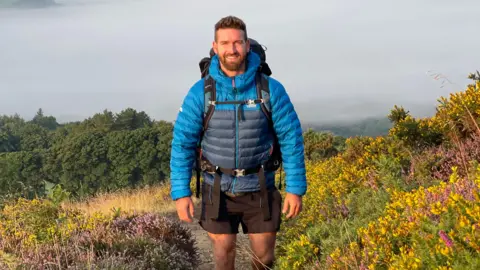 Sam Culley
As the daylight lingers and the flowers begin to bloom, there comes a shift in the soil that beckons hikers toward the outdoors, bags packed and boots tied.
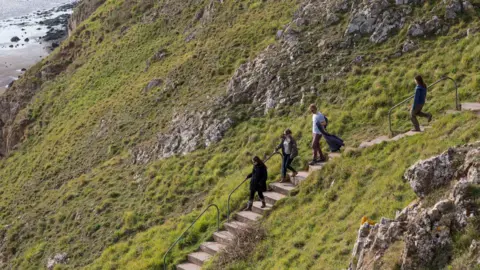
The Easter weekend sees a noticeable increase in walkers across the west, and for younger people especially, it is often an introduction to more challenging routes.
Checking the forecast, identifying risks, understanding the terrain and preparing for an emergency are crucial habits - particularly for those still learning the ropes.
Richard Newhouse, a land search party leader with Severn Area Rescue Association (SARA), says taking these steps helps ensure you do not "underestimate the risks".
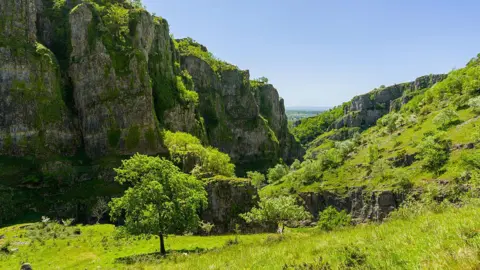
Newhouse, whose team covers the Gloucestershire, Severn Estuary and Bristol areas, says hikers often get caught out by unpredictable weather on high peaks.
"The weather at the top of the mountain or hill is going to be very different to what it's like in the car park," he said.
 Getty Images
"They underestimate the risks and the difficulty of what they're doing, even if it seems a fairly straightforward footpath."
In February, the bodies of two men, 19 and 20, were recovered from a rocky ridge on Wales' highest mountain after they went missing in "challenging conditions".
 SARA
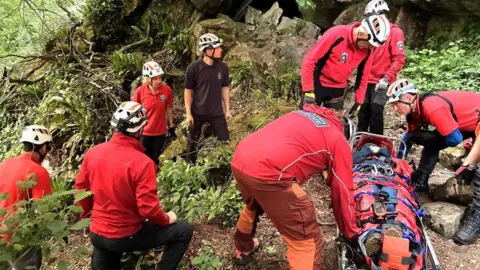
SARANewhouse said he has dealt with fatal "tragedies" where hikers persevered because they felt "reluctant to change their plans", despite encountering setbacks.
"It's entirely understandable," he said.
"This is their big ambition for the day so they stick with it - but they could have given up earlier, decided it would be sensible to turn around.
"It's definitely the braver choice to throw in the towel and come back another day."
If your phone has no signal in an emergency, it means there is no connection to your own network but you may be able to use to another provider for calls to 999.
 National Trust /James Dobson
Sam Culley, 35, is a content creator who documents his long-distance walks through sweeping vistas like the Cotswold Way and Exmoor National Park.
He shares vital tips on how to stay safe with his 800,000 online followers.
"I decided to start posting about my adventures to hopefully inspire one or two people to get outdoors and enjoy everything nature has to offer," he said.
"Hiking is one of the best ways to explore the UK and with a bit of preparation, it can be safe too."
Culley advised hikers to pack extra food, clothing, a whistle to signal distress, a basic first aid kit and a headtorch to avoid getting stranded in the dark.
"This sounds extreme but I always remember my dad saying when I was younger, 'could you survive the night with everything that's in your backpack?'
"That stuck with me and is always on my mind when packing my kit, just in case."
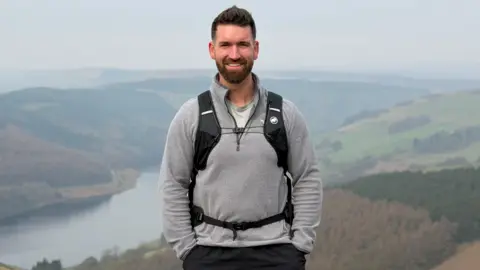 Sam Culley
Culley also recommended packing a portable power bank to charge your devices, and an old-fashioned map and compass for backup.
"Downloading your route for offline [navigation] or having a map to hand just takes the pressure off," he said.
"A lot of the best places in the UK are the most remote, so it's a simple step that makes everything smoother."
He added it is wise to hike in pairs or a group, but if heading out solo, always share your plans and expected return time with a friend.
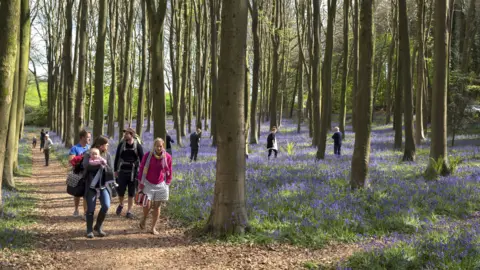 Getty Images
Wiltshire Search and Rescue advised people to plan their routes, check the forecast, wear appropriate footwear and clothing and carry essentials such as water, snacks, a torch and a map.
In a statement, it said: "As people across the region make the most of the long Easter weekend, many will be heading outdoors to enjoy Wiltshire's landscapes - whether that's woodland trails, chalk downland, river valleys, or coastal paths in neighbouring counties.
"It's a wonderful time to explore, but it's also a period when the emergency services traditionally see a rise in callouts, as more walkers venture out without fully preparing for the varied risks each terrain can present."
Follow BBC Somerset on Facebook and X. Send your story ideas to us on email or via WhatsApp on 0800 313 4630.
