Scientists discover potential new cancer treatment

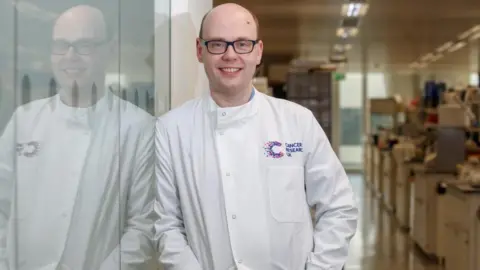 Cancer Research UK
Scientists in Glasgow have discovered a potential treatment to stop growth in two of Scotland's deadliest cancers.
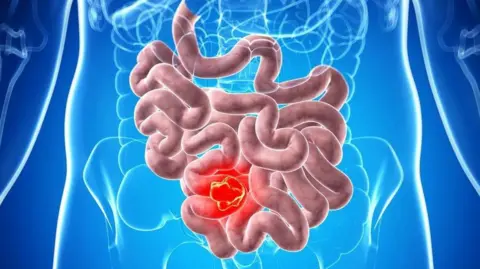
The Cancer Research UK Scotland Institute found a new way to tackle liver and bowel cancers, by focusing on the genetic faults that allow the disease to hijack a signalling system in the body.
Cancer can then use the system which tells cells when, and when not, to grow - called the WNT pathway - to grow tumours in the intestine and liver.
This breakthrough information could introduce ways to interrupt the process preventing disease growth.
The protein called nucleophosmin (NPM1), which is involved in the control of growth, was found to be in high levels in bowel cancer and some liver cancers, due to the genetic errors in the WNT pathway, according to a new paper from Nature Genetic.
 Getty Images
By blocking this protein, the research team found that it may be possible to develop new treatments for specific cancers which hijack the body's growth system through this genetic error.
Bowel cancer remains the second most common cause of cancer death across the country, claiming around 1,700 lives annually.
While around 670 people die from liver cancer each year in Scotland so finding more effective ways to tackle the disease is vital.
Lead researcher on the project Prof Owen Sansom said: "Because NPM1 isn't essential for normal adult tissue health, blocking it could be a safe way to treat certain cancers, like some hard-to-treat bowel and liver cancers.
"We found that if NPM1 is removed, cancer cells struggle to make proteins properly and this allows a tumour suppressor to activate, preventing cancer growth.
"Increasing numbers of people are affected by these cancers, with some treatments limited for some patients, so finding a new way to tackle these cancers is crucial."
